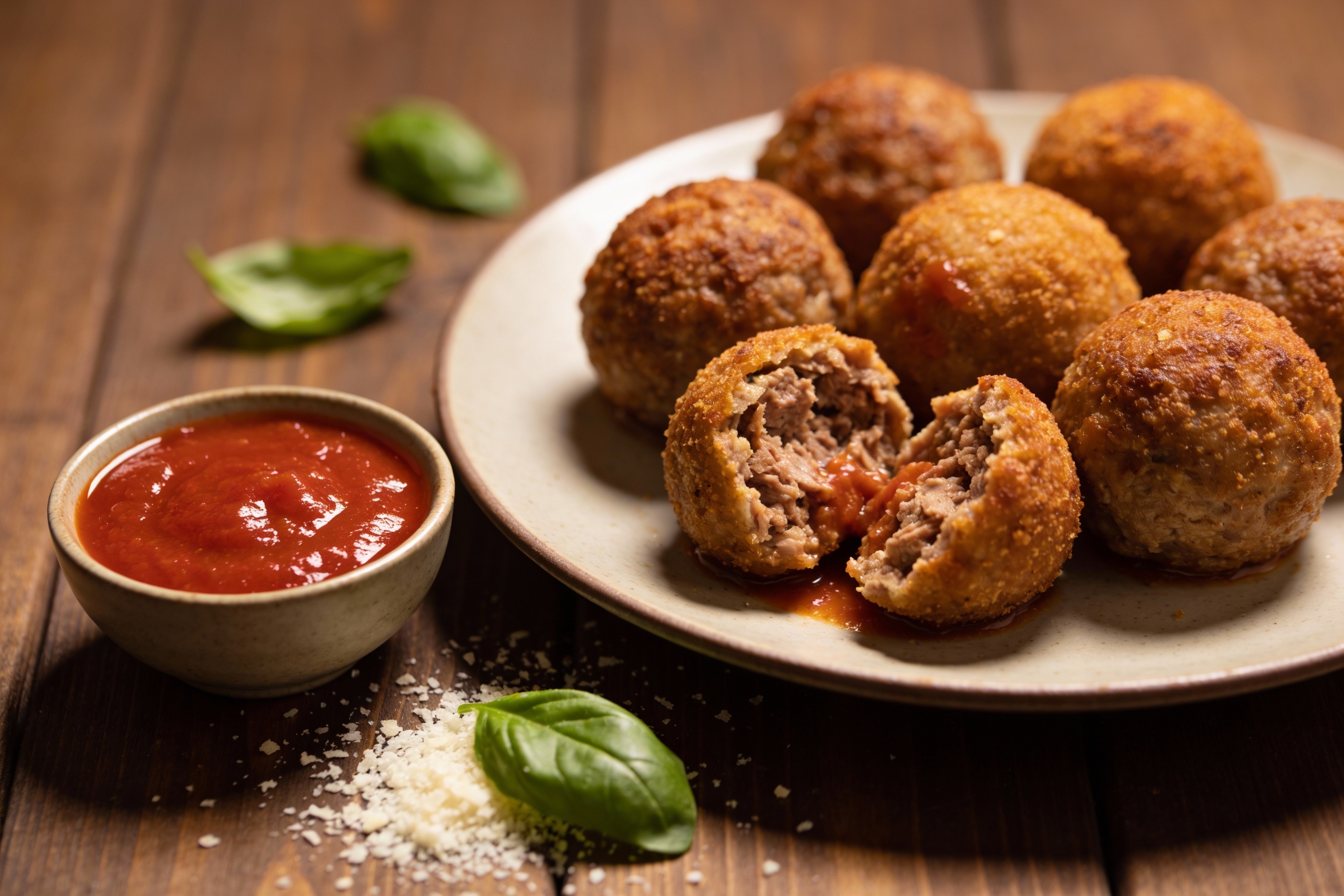
Picture this: a bowl of tender, juicy meatballs collapsing into a pool of rich tomato sauce, a rain of Parm, and a hunk of bread waiting nearby. You’re not dreaming—you just nailed Italian meatballs at home. The best part? You don’t need a nonna, just a few smart moves and a little patience. Let’s skip the fluff and get you rolling (literally).
Why These Meatballs Actually Work
You want soft, not spongy. Flavorful, not salty. Saucy, not dry. These meatballs check all the boxes because we mix meats, add moisture, and season like we mean it. Balance makes the magic—fat for tenderness, breadcrumbs and milk for moisture, and cheese plus herbs for personality.
The Core Ingredients (and Why They Matter)
Let’s keep it simple but not boring. Here’s what you need and what each ingredient actually does.
- Meat blend: 50% ground beef (80/20), 50% ground pork. The pork adds fat and sweetness. FYI, all-beef works, but the mix wins on texture.
- Breadcrumb panade: 1 cup fresh breadcrumbs + 3/4 cup milk. This keeps the meatballs tender. Dry crumbs = dry vibes.
- Eggs: 2 large. They bind without turning the meatballs rubbery.
- Cheese: 1/2 cup finely grated Parmigiano or Pecorino. Salt, umami, depth—don’t skip.
- Aromatics: 3 cloves garlic (grated), 1 small onion (grated or very finely minced). Grating blends flavor without chunky bits.
- Herbs: 2 tbsp chopped parsley, 1 tsp dried oregano. Keep it classic.
- Seasoning: 1–1.5 tsp kosher salt, 1 tsp freshly ground black pepper, pinch of red pepper flakes (optional, but do it).
- Olive oil: For searing or baking.
For the Sauce
- 2 tbsp olive oil
- 2 cloves garlic, sliced
- 1 can (28 oz) crushed tomatoes
- Salt, pepper, pinch of sugar (if needed)
- Fresh basil or a bay leaf
Let’s Roll: Step-by-Step
This isn’t complicated. It just asks for a little care and zero overmixing.
- Make the panade: In a big bowl, mix breadcrumbs and milk. Let it soak 5 minutes until mushy.
- Add flavor: Stir in eggs, cheese, garlic, onion, parsley, oregano, salt, pepper, and red pepper flakes.
- Add the meat: Gently fold in beef and pork. Mix just until combined. Overmixing makes tough meatballs—don’t do it.
- Chill (optional but helpful): 20 minutes in the fridge. It firms the mixture for easier rolling.
- Shape: Roll into golf-ball-size meatballs (about 1.5 inches). Lightly oil your hands to prevent sticking.
Cook Method A: Brown Then Simmer
- Heat a film of olive oil in a large skillet over medium-high.
- Brown meatballs on 2–3 sides until golden, about 5–7 minutes total. Don’t cook through yet.
- Transfer to sauce and simmer gently 20–25 minutes until cooked and tender.
Cook Method B: Oven All the Way
- Place meatballs on a parchment-lined sheet.
- Bake at 400°F (200°C) for 15–18 minutes until just cooked.
- Drop into simmering sauce for 5–10 minutes to finish and absorb flavor.
The Sauce: Simple, Silky, Perfect
You don’t need a 6-hour gravy here. Just coax out a little sweetness and let the tomatoes sing.
- Warm olive oil in a wide pot. Add garlic and cook 30–60 seconds until fragrant.
- Pour in crushed tomatoes. Season with salt and pepper. Add basil or a bay leaf.
- Simmer on low 20–30 minutes while meatballs cook. Taste for acidity—add a pinch of sugar if needed.
Pro Tips for Sauce Glory
- Don’t boil hard: Gentle heat keeps the sauce velvety and the meatballs tender.
- Finish with fat: A small pat of butter at the end adds gloss. IMO, it’s worth it.
Texture, Flavor, Drama: The Little Things That Matter
Want show-stopping meatballs? These tiny tweaks make a big difference.
- Use fresh breadcrumbs: Buzz stale bread in a blender. Prepackaged crumbs taste dry.
- Grate the onion: You’ll get moisture and flavor without chunks. Your kids won’t detect it. Sneaky? Yes. Effective? Also yes.
- Season assertively: Meat dulls flavor. Taste the panade before adding meat. It should taste slightly salty.
- Don’t overcrowd when browning: You want caramelization, not steaming. Work in batches.
- Rest time: Let meatballs sit 5 minutes before serving to reabsorb juices.
Optional Add-Ins (Choose One, Maybe Two)
- 1/4 cup ricotta for extra softness
- 1 tsp fennel seeds, lightly crushed, for a sausage vibe
- Lemon zest for brightness (a little goes a long way)
How to Serve Like You Mean It
We love pasta, sure. But don’t limit yourself.
- Over spaghetti: Classic for a reason. Toss pasta with some sauce first, then top with meatballs.
- Polenta party: Creamy polenta + meatballs = winter happiness.
- Meatball sub: Toasted roll, provolone, broil until bubbly. Prepare for messy joy.
- With greens: Garlicky sautéed broccoli rabe balances the richness. FYI, it’s a power move.
Wine Pairing (Simple + Good)
- Chianti or Montepulciano for tomato brightness
- A juicy Barbera if you want a friendly, weeknight vibe
Make-Ahead, Freeze, Reheat: Real-Life Logistics
No one makes 24 meatballs for one dinner and calls it a day. Let’s plan smarter.
- Make-ahead: Form meatballs and keep them covered in the fridge up to 24 hours before cooking.
- Freeze raw: Freeze on a sheet until firm, then store in bags up to 3 months. Bake from frozen at 400°F, adding a few minutes.
- Freeze cooked: Cool in sauce and freeze together. Reheat gently on the stove or in a 325°F oven until hot.
- Leftovers: Even better the next day. Sauce + meatballs + fried egg? Don’t knock it.
Common Pitfalls (And Easy Fixes)
Because we’ve all been there.
- Dry meatballs: Add more panade next time; use fattier meat; don’t overbake.
- Falling apart: Add another egg or a couple tablespoons more breadcrumbs; chill before cooking; handle gently.
- Bland flavor: Increase salt and cheese; use fresh herbs; finish with a splash of good olive oil.
- Tough texture: Mix less; use a fork to fold the meat rather than squeezing it.
FAQ
Can I use turkey or chicken instead of beef and pork?
Yes. Use ground dark meat for moisture and bump the olive oil a bit. Add extra cheese and maybe a spoon of ricotta to keep things juicy. Simmer gently in sauce—lean meats dry out fast.
Do I need to brown the meatballs first?
You don’t need to, but you should if you want that deep, savory flavor. Browning adds caramelized notes and a better crust. If you skip it, simmer directly in sauce and accept a softer, “grandma’s Sunday” texture. IMO, browning wins.
What’s the best cheese to use?
Parmigiano-Reggiano tastes nutty and clean; Pecorino Romano tastes sharper and saltier. Use what you have, or split the difference with half of each. Just grate it fine so it melts into the mix.
Can I cook meatballs directly in the sauce?
Totally. Drop gently formed meatballs into a simmering sauce and cook 25–30 minutes, turning once. Expect a softer exterior and a slightly lighter flavor since you skip browning. Still delicious.
How big should I make the meatballs?
Aim for golf-ball size, about 1.5 inches. Smaller cooks faster and stays tender; giant softball meatballs look cool but cook unevenly. Consistency matters more than size here.
What pasta shape pairs best?
Spaghetti stays classic, but rigatoni or bucatini grips the sauce better. If you love slurpability, spaghetti all the way. If you love sauce hugs, rigatoni wins.
Conclusion
Great Italian meatballs don’t happen by accident—they happen because you used a meat blend, respected the panade, and didn’t wrestle the mixture like it owed you money. Keep the simmer gentle, the seasoning bold, and the cheese plentiful. Make a double batch, freeze some, and future-you will send a thank-you note. Now grab a spoon and taste that sauce—dinner’s basically done.