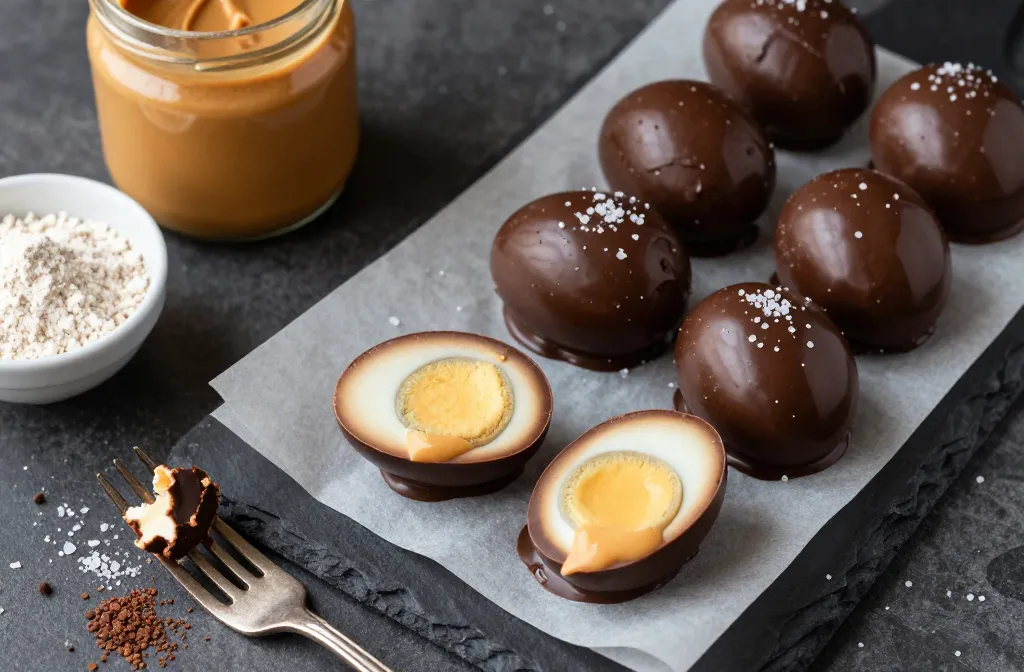
Peanut butter + chocolate = the ultimate duo, and you know it. But if you’re keeping carbs in check, traditional peanut butter eggs go from “YUM” to “nope” fast. Good news: keto peanut butter eggs exist, and they taste ridiculously close to the nostalgic originals. We’re talking creamy, salty-sweet centers wrapped in a snappy chocolate shell. Zero weird aftertastes, zero kitchen drama.
Why Keto Peanut Butter Eggs Hit the Sweet Spot
You want dessert that won’t wreck your macros. These deliver. The peanut butter brings fat and flavor, while a sugar-free chocolate shell keeps carbs low and cravings satisfied. It’s basically candy with a built-in macro advantage.
They’re also crazy customizable. You can tweak texture, sweetness, and even the shape. Hearts? Bites? Dinosaur nuggets? Live your truth.
Bottom line: keto peanut butter eggs scratch the Reese’s itch without the sugar crash. FYI, they store like a dream, so you can batch once and snack all week.
The Core Ingredients (Keep It Simple)
Let’s keep your pantry drama-free. You only need a short list to make these work.
- Natural peanut butter: Choose creamy, no-sugar-added. Look for just “peanuts” and “salt.”
- Almond flour or coconut flour: Thickens the filling. Almond gives a classic texture; coconut packs more absorption, so you’ll use less.
- Sweetener: Go with powdered erythritol, allulose, or a monk fruit blend. Powdered dissolves better.
- Coconut oil or butter: Helps the filling set and adds richness.
- Vanilla and salt: Flavor boosters. Don’t skip the salt. Ever.
- Sugar-free chocolate: Dark or milk-style keto chocolate chips or bars. Choose what you actually like.
Pro Tip: Texture Control
If your peanut butter feels runny, add a bit more almond flour. If it’s too stiff, add a teaspoon of melted butter or coconut oil. You want “play-dough, but edible.”
Step-by-Step: How to Make Them (No Drama)
We’re not reinventing baking. This is mix, shape, dip, chill. Easy.
- Make the filling: Stir together peanut butter, powdered sweetener, vanilla, a pinch of salt, and a spoonful of melted butter or coconut oil. Add almond flour 1 tablespoon at a time until thick and moldable.
- Shape the eggs: Scoop with a small cookie scoop, roll into balls, then flatten and taper the top to make an egg shape. Lay them on a parchment-lined tray.
- Chill: Freeze for 20–30 minutes. This step makes dipping way less messy.
- Melt the chocolate: Microwave sugar-free chocolate with a teaspoon of coconut oil in 20–30 second bursts, stirring until smooth. Don’t scorch it. Chocolate holds grudges.
- Dip: Use a fork to dunk each chilled egg, tap off excess, and set back on the tray.
- Set and store: Chill again until the shell hardens. Store in the fridge for a week or the freezer for a month (ish).
Optional Add-Ins
– A dusting of crushed peanuts on top before the chocolate sets
– A sprinkle of flaky salt (chef’s kiss)
– A tiny splash of maple extract or butter extract in the filling for bakery-level vibes
Carbs, Macros, and All That Jazz
Keto folks care about numbers. I get it. Macros vary based on your ingredients, but here’s a typical ballpark for a medium egg:
- Calories: 120–150
- Fat: 10–13g
- Protein: 3–5g
- Net carbs: 2–3g
Watch the labels: some “no sugar added” chocolates sneak in maltitol, which can spike blood sugar and cause… digestive regret. Look for allulose, erythritol, or stevia-based options.
How to Lower Carbs Even More
– Use coconut flour instead of almond flour (start with 1–2 teaspoons; it’s potent).
– Choose extra-dark chocolate (85–90% cocoa) or keto chocolate with allulose.
– Go smaller. Two bite-size eggs feel indulgent and make macro math easier.
Texture and Flavor Tweaks (Because You’re Picky, IMO)
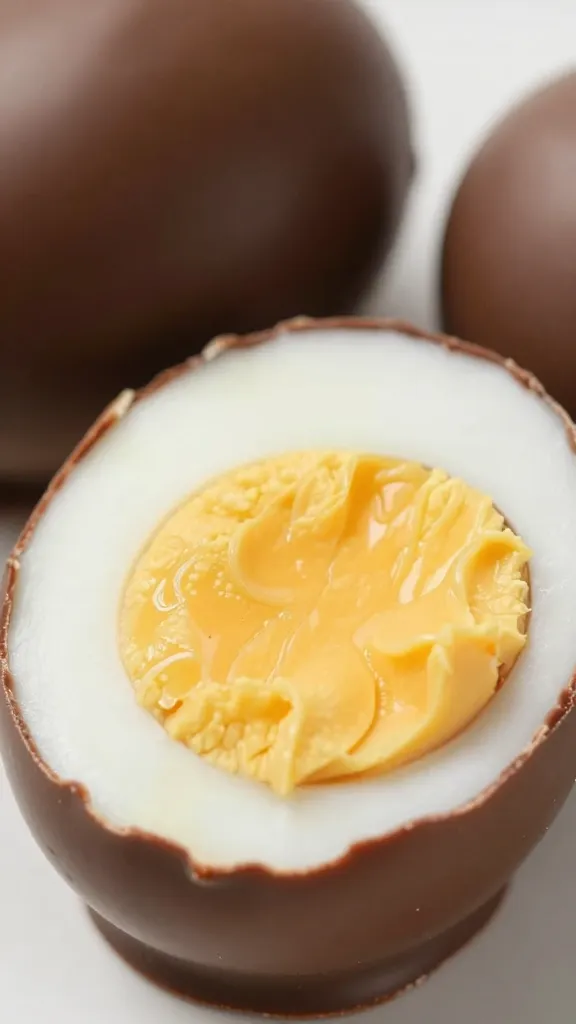
You know what you like. F ine-tune until it’s perfect.
If You Want Creamier Centers
– Add 1–2 teaspoons of heavy cream or a splash of unsweetened almond milk.
– Warm the peanut butter slightly to blend super smooth.
If You Want Firmer, Candy-Shop Centers
– Add a little more almond flour and chill longer.
– Mix in a tablespoon of coconut flour for structure.
If You’re Team Sweet-Salty
– Increase the salt a hair and finish with flaky salt on the shell.
– Use salted butter in the filling. You’re welcome.
Common Pitfalls (And How to Dodge Them)
Wet, runny centers? Add almond flour slowly until the mixture stops sticking to your fingers. Then chill it.
Chocolate cracking? Your centers were too cold, or the chocolate too hot. Let the eggs warm for 2–3 minutes on the counter before dipping, and let chocolate cool slightly after melting.
Gritty sweetness? Use powdered sweetener, not granulated. Or blitz it in a blender until powdery.
Weird aftertaste? Try allulose or a monk fruit–allulose blend. Erythritol can taste cool or minty to some people.
Variations You’ll Make Next Time
– Almond butter eggs: Swap peanut butter for almond butter, add a drop of almond extract. Subtle. Classy.
– Crunchy peanut eggs: Stir in chopped roasted peanuts or keto cereal crumbs for texture.
– Chocolate-on-chocolate: Add 1 tablespoon cocoa powder to the filling and a touch more sweetener. Double trouble.
– Peanut butter cups (lazy version): Press filling into mini liners, pour chocolate on top, done. Zero shaping, still cute.
Dairy-Free Route
Use coconut oil instead of butter and dairy-free keto chocolate. The texture stays lush, with a hint of coconut. If coconut tastes too strong, use refined coconut oil.
Serving, Storing, and Gifting
These taste best chilled but not rock hard. Give them 5 minutes on the counter so the centers soften slightly. Magic.
Storage:
– Fridge: up to 7–10 days in an airtight container
– Freezer: up to 1–2 months; thaw in the fridge for best texture
Want to gift them? Nestle in mini paper liners, pack in a tin, and add a “hands off” label for roommates. Necessary.
FAQ
Can I make these nut-free?
Yes. Use sunflower seed butter instead of peanut butter and almond flour. It tastes great and keeps carbs low. FYI, sunflower butter can turn green with baking due to chlorophyll reacting with baking soda, but since we aren’t baking, you’re safe.
What’s the best sweetener for zero aftertaste?
Allulose or a monk fruit–allulose blend, IMO. They taste closest to sugar and don’t crystallize as much. They also keep the centers smoother.
Do I really need to chill before dipping?
Yes, unless you enjoy chaos. Chilling firms the centers so they don’t fall apart in warm chocolate. It also helps the shell set evenly.
My chocolate won’t coat smoothly. Help?
Stir in 1–2 teaspoons of coconut oil to thin it. Make sure the bowl and tools stay bone dry—water makes chocolate seize. If it happens, add a bit more oil and whisk gently.
How do I make them sweeter without more carbs?
Add a pinch more sweetener, but also boost vanilla and salt. They amplify sweetness perception without extra carbs. Tiny tweaks, big payoff.
Can I use crunchy peanut butter?
Totally. It adds texture and feels nostalgic. If it’s too thick, loosen with a teaspoon of melted butter or coconut oil.
Conclusion
Keto peanut butter eggs bring everything you love about classic candy—creamy centers, snappy chocolate, sweet-salty bliss—minus the sugar avalanche. They’re fast, forgiving, and endlessly customizable, which makes them perfect for weeknight treats or holiday trays. Make a batch, stash them in the fridge, and enjoy dessert that actually fits your goals. And if someone asks for your secret? Tell them it’s confidence…and a really good peanut butter.