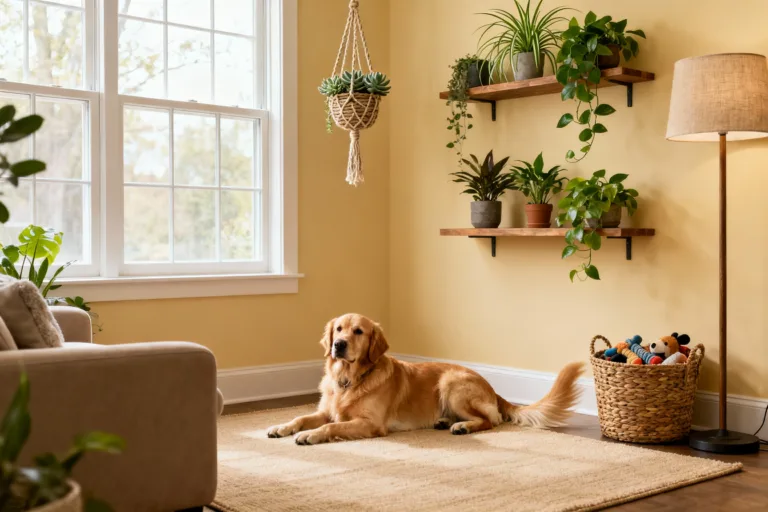
You brought a dog into your home—congrats on choosing chaos with a heartbeat. Now your job is simple: keep them safe, comfy, entertained, and not destroying your sofa. The right gear makes life easier for both of you. Let’s skip the fluff and talk about the must-haves that actually earn their keep.
Food, Water, and the Bowl Situation
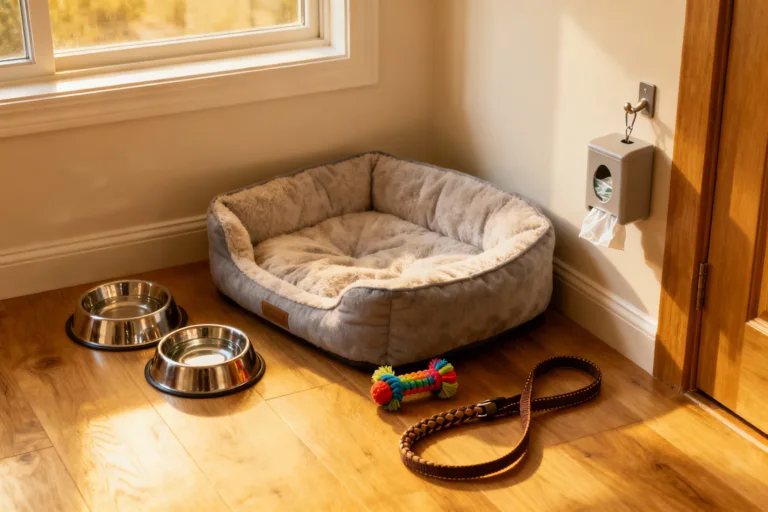
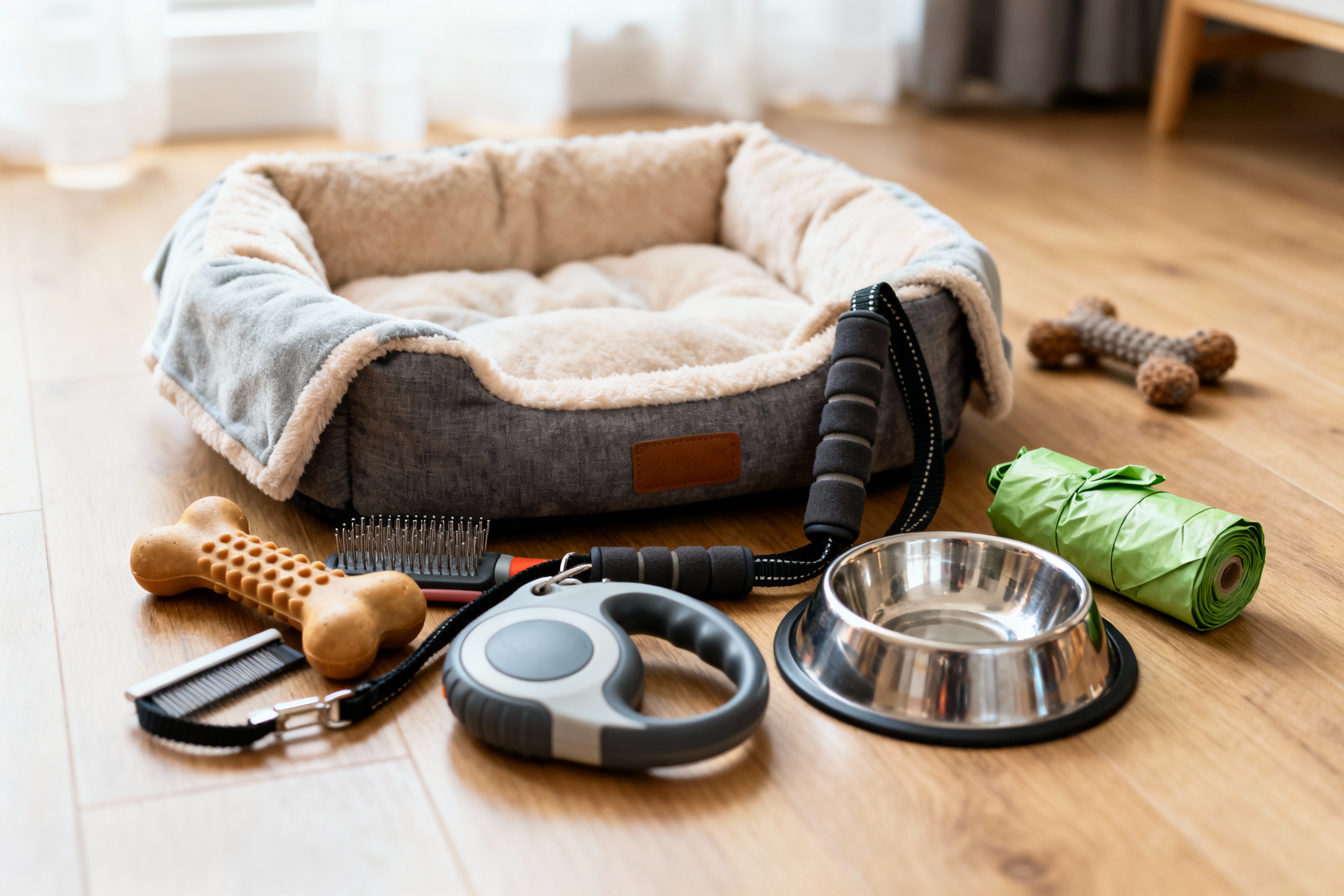
You need bowls that don’t slide across the floor like hockey pucks. Look for heavy, non-tip bowls or ones with a rubber base. Stainless steel beats plastic—no funky odors or scratches that harbor bacteria.
Elevated vs. regular bowls
Elevated bowls help big dogs and seniors eat comfortably. For most healthy pups, regular bowls work just fine. If you notice coughing or gulping, try a slow feeder to slow down the chow time and prevent bloat.
Water fountains
A pet water fountain keeps water fresh and encourages picky drinkers. Great for hot climates and active dogs. Just clean it weekly unless you enjoy science experiments in your kitchen.
Sleep and Chill: Beds That Don’t Flop
Yes, your dog will still sleep in your bed when you’re not looking. Still, give them a spot that supports joints and keeps them off cold floors. Look for orthopedic memory foam for seniors and washable covers for literally every dog.
Crates: cozy den, not puppy prison
A properly sized crate helps with training and gives your dog a safe retreat. Add a comfy mat and a cover to make it den-like. If your dog hates the crate, try shorter sessions, high-value treats, and leave the door open at first. Crate = calm, not punishment.
Leashes, Collars, and Walking Gear That Won’t Fail You
You need reliable gear for daily walks. No one enjoys a tug-of-war at 7 a.m. while your coffee cools.
- Leash: A solid 4–6 foot leash gives control. Avoid retractables for city walks—too much chaos, not enough brakes.
- Harness: A front-clip harness helps curb pulling without choking. Back-clip works for gentle walkers.
- Collar with ID: Even if your dog is microchipped, use a durable collar with up-to-date tags.
Night visibility matters
Add a LED collar light or reflective gear if you walk at dusk. You’ll spot your dog faster, and cyclists won’t mistake you for a shadow with a floof.
Toys That Survive (and Entertain)
Toys aren’t optional—they’re your insurance policy against boredom chewing. Get a mix of chew toys, puzzle toys, and fetch toys.
- Chew toys: Rubber or nylon chews satisfy chomping. Skip anything that splinters. If you can dent it with a fingernail, it’s generally gentler on teeth.
- Puzzle toys: Stuffable toys and treat-dispensing puzzles keep minds busy. Rotate them to avoid boredom—yes, dogs get bored too.
- Fetch gear: Balls, frisbees, and a ball launcher if your throwing arm “taps out” early (relatable).
Enrichment ideas
Use lick mats with peanut butter or yogurt (xylitol-free FYI) for calming downtime. Freeze stuffed toys for longer sessions. IMO, a good puzzle toy is worth ten minutes of peace and quiet.
Grooming and Clean-Up: The Glamorous Part
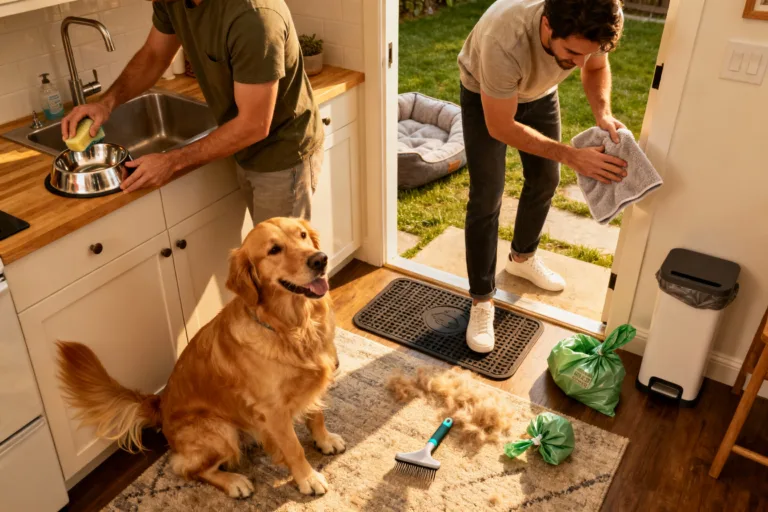
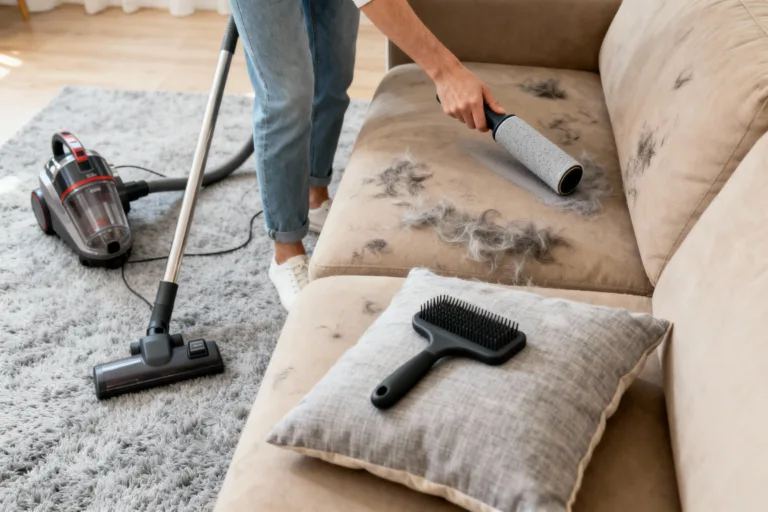
You’ll deal with fur, nails, and muddy paws. Set yourself up with the basics and thank yourself later.
- Brush: Match the brush to your dog’s coat. Slicker brush for long or curly coats, de-shedding tool for heavy shedders, bristle brush for short coats.
- Nail clippers or grinder: Keep nails short to prevent pain and floor scratches. A grinder is forgiving if you’re nervous.
- Dog shampoo: Gentle and pH-balanced. Human shampoo strips their skin.
- Paw wipes/towel: Keep a towel by the door. Your floors will live longer.
- Lint rollers: Everywhere. Car, sofa, office bag, the moon—fur travels.
Accidents and odor control
If you have a puppy or rescue settling in, stock enzymatic cleaner. It removes the scent so your dog doesn’t revisit the scene of the crime. Add a covered trash can for poop bags unless eau de garbage is your vibe.
Health and Safety Essentials
You hope you won’t need this stuff… until you do. Better to be ready.
- First-aid kit: Gauze, antiseptic wipes, tweezers, saline, self-adhering bandage, styptic powder for nails, and a digital thermometer.
- Microchip + tags: Microchip with updated info, and visible ID tags. Both matter.
- Flea/tick and heartworm prevention: Set reminders. Preventing beats treating by a mile.
- Baby gate or playpen: Manage space during training or when guests come over.
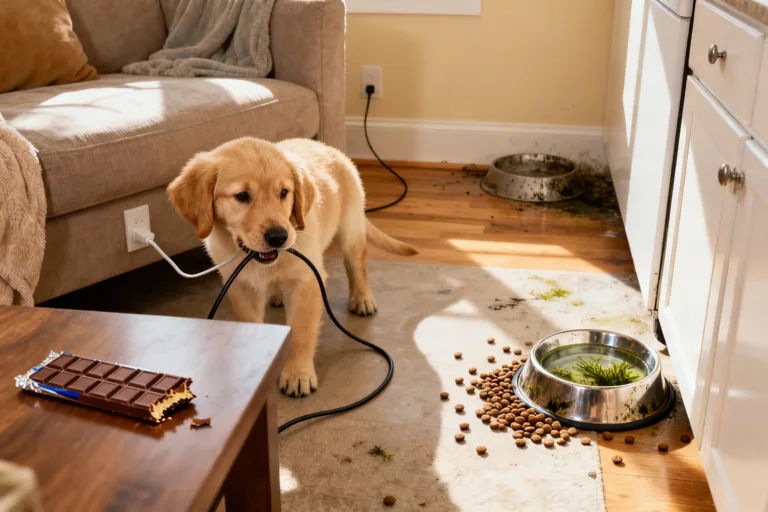
- Safe storage: Keep meds, food, and trash secure. Dogs open cabinets like tiny burglars.
Travel and car safety
A crash-tested car harness or secured crate protects your dog and you. Add a seat cover, portable water bowl, and spare leash for bonus sanity. If your dog gets car sick, try shorter trips and stop-and-sniff breaks.
Training Tools That Actually Work
You don’t need a garage full of gadgets. You need consistency and a few smart tools.
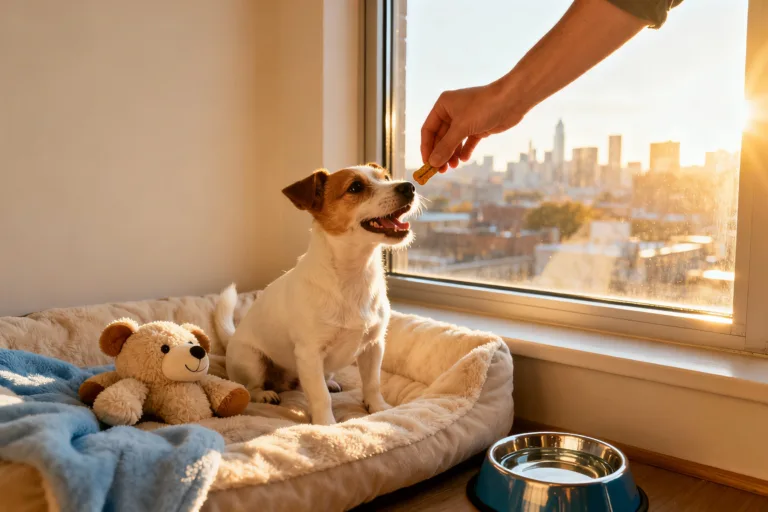
- Treat pouch: Keeps rewards handy so you can reinforce good behavior instantly.
- High-value treats: Soft, bite-sized, and stinky enough to beat squirrels in the attention contest.
- Clicker: Great for precise timing when teaching new skills. Not mandatory, but helpful.
- Place mat: A designated station for “go to your spot” during meals or door chaos.
House training basics
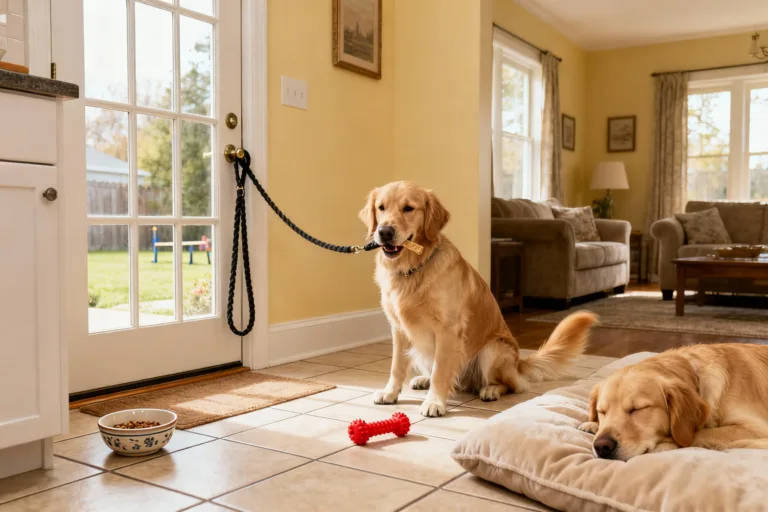
Crates help, but add puppy pads for emergencies and a door bell or button if you want your dog to “ask” to go out. Ring, treat, go outside. Repeat. Yes, it works.
The Boring-but-Critical Paperwork Corner
Set up a small bin or digital folder for vet records, vaccinations, prescriptions, and insurance info if you have it. Keep a photo of your dog’s medical info on your phone. When emergencies happen, you won’t want to dig through the junk drawer of doom.
Smart Home Upgrades (If You Like Convenience)
You don’t need to techify everything, but a few tools absolutely help.
- Automatic feeder: Useful for consistent portions and early-bird dogs who demand breakfast at 5 a.m.
- Camera with two-way audio: Check in, toss treats, and talk to your pup during long days.
- Smart sensors and air tags: Attach a tracker to the collar for hikes or escape artists. Not a microchip replacement, but a great supplement.
Subscription conveniences
Set autoship for food, treats, and meds. IMO, running out of kibble on Sunday night once will convert you forever.
FAQs
What size crate should I get?
Pick a crate big enough for your dog to stand, turn around, and lie down comfortably. For puppies, use a crate with a divider so you can adjust the space as they grow. Too much space makes potty training harder.
Do I really need a slow feeder?
If your dog eats like a vacuum, yes. Slow feeders reduce gulping, help prevent bloat in at-risk breeds, and make mealtime a mini puzzle. If your dog eats calmly, you can skip it.
How many toys should I keep out at once?
Rotate 3–5 toys and stash the rest. Surprise “new” toys feel exciting, which keeps your dog engaged. More toys out doesn’t mean more play—variety and novelty matter more.
Is a harness better than a collar for walks?
For pullers, a front-clip harness gives better control and reduces pressure on the neck. For well-trained walkers, a collar and standard leash work fine. Use collars for ID and harnesses for walking if you want the best of both.
What’s the best way to handle shedding?
Brush regularly with the right tool for your dog’s coat and add omega-3s if your vet agrees. Vacuum often and use washable covers on furniture. You won’t beat shedding, but you can outsmart it.
Do I need pet insurance?
Not mandatory, but it can save you thousands during emergencies. If you skip insurance, consider a dedicated savings account for vet costs. Either way, plan for the unexpected—dogs love chaos, remember?
Conclusion
You don’t need every shiny gadget, but you do need the essentials that make daily life smoother: sturdy bowls, comfy sleep spots, reliable walk gear, smart enrichment, and safety tools. Start with the basics, add upgrades that fit your dog’s personality, and iterate as you go. The right setup turns a wild house into a happy home—fur tumbleweeds and all. FYI, the joy you get back? Totally worth it.