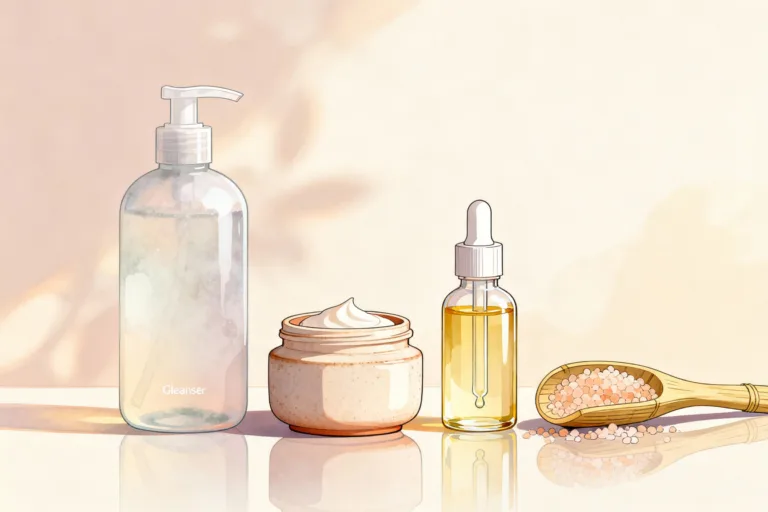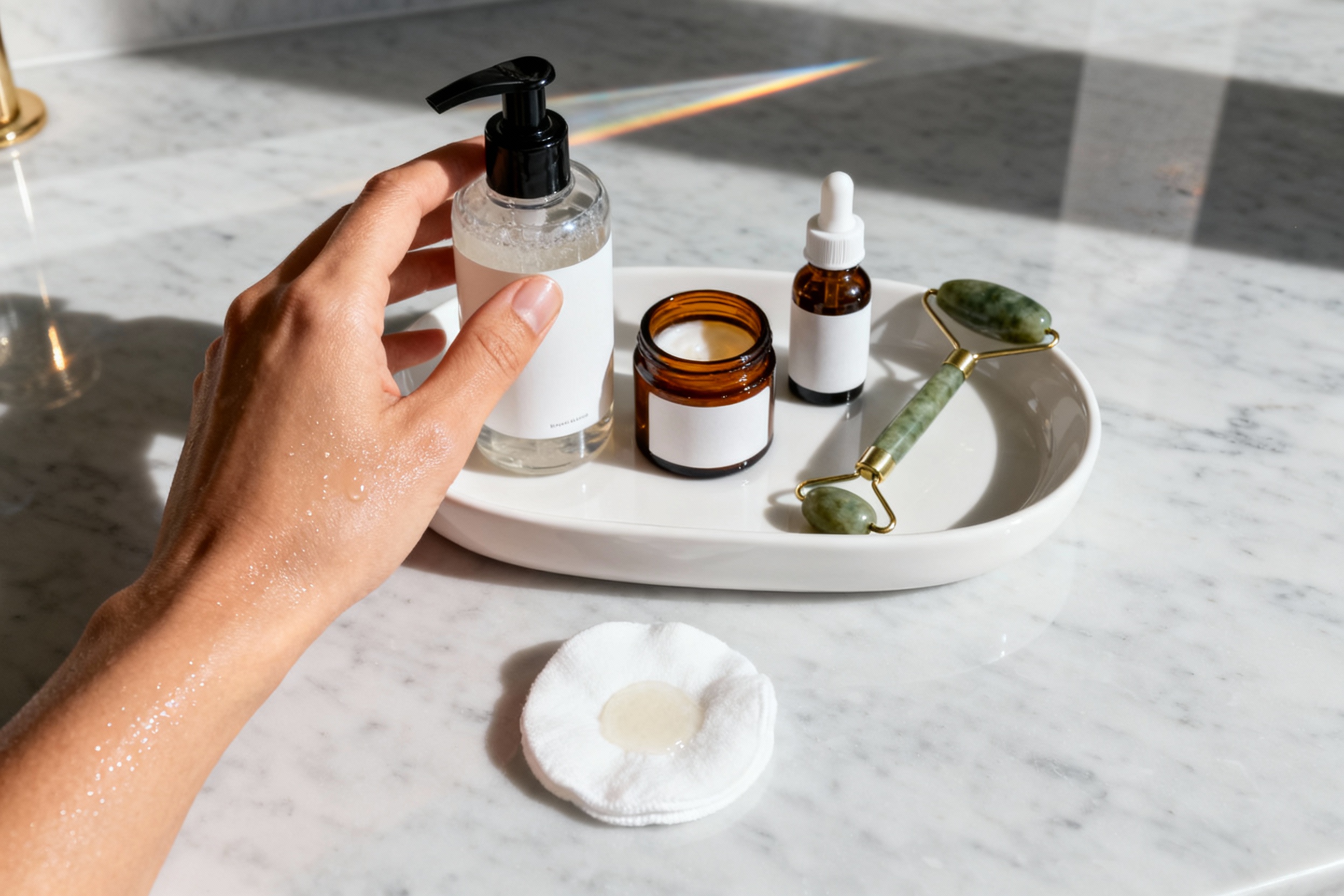
You want a night skincare routine that actually delivers results, not a 12-step circus of sticky serums and regret. Good. Your skin does most of its repairing while you sleep, so your nighttime routine matters more than that overpriced humidifier you never refill. Let’s keep it practical, effective, and easy enough to actually do—every night.
Why Night Matters (And What Your Skin Actually Does While You Sleep)
Your skin goes into repair mode at night. That means increased cell turnover, better absorption, and less exposure to UV and pollution. Translation: products work harder, and you see results faster. So yes, your nighttime routine deserves more than a quick face wipe and a prayer.
The Core Routine: 5 Steps You’ll Actually Stick To
You don’t need a 10-step ritual unless you enjoy chaos. Start here:
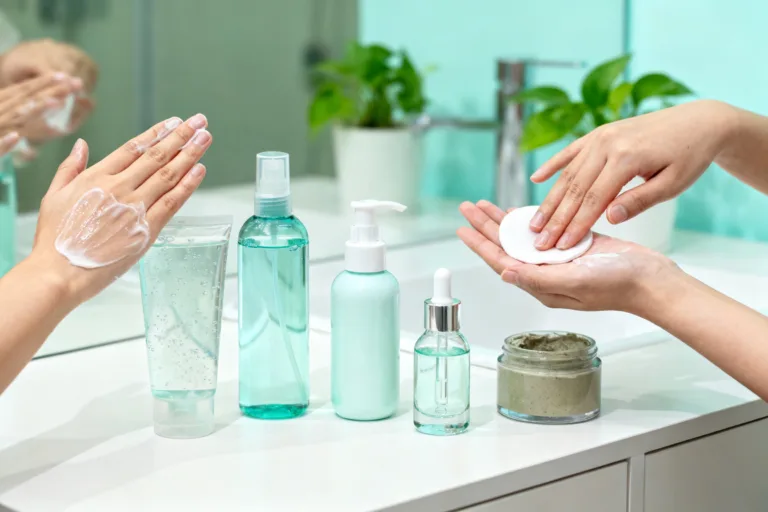
- Cleanser: Remove makeup, SPF, and city gunk. Double cleanse if you wore makeup or sunscreen.
- Treatment: Retinoid or acid (AHA/BHA) depending on your skin goals.
- Hydration: A simple, fragrance-free serum like hyaluronic acid or glycerin.
- Moisturizer: Seal it in with a cream that matches your skin type.
- Optional occlusive: If you’re dry or compromised, use a thin layer of petrolatum or balm on top.
What to use if you’re oily vs. dry
- Oily/combination: Gel or foaming cleanser, light serum, gel-cream moisturizer. Use salicylic acid or adapalene.
- Dry/sensitive: Cream cleanser, gentle hydrating serum, richer moisturizer. Use buffered retinol or lactic acid.
Cleansing: Don’t Overdo It, But Do It Right
You need a clean canvas for your actives. That does not mean stripping your face like a pan after scrambled eggs. Use lukewarm water and massage for 30-45 seconds.
Double cleansing 101
- Oil/balm cleanser first: Breaks down sunscreen and makeup without tugging.
- Gentle water-based cleanser second: Removes residue and sweat.
FYI: If you don’t wear makeup or heavy SPF, one gentle cleanse works fine.
Treatments: Where the Magic (and Mistakes) Happen
This step targets your main goal. Don’t shotgun five actives and wonder why your face revolts. Pick one hero.
Retinoids (the MVP)
- Best for: Fine lines, texture, acne, dark spots.
- How to use: Pea-sized amount for the whole face, 2-3 nights per week to start. Work up to nightly as tolerated.
- Pro tip: Sandwich with moisturizer if you’re sensitive—moisturizer, retinoid, moisturizer.
Acids (AHA/BHA)
- BHA (salicylic acid): Great for clogged pores, blackheads, and oil control.
- AHA (glycolic/lactic): Smooths texture, brightens, softens fine lines.
- Use 1-3 nights/week: On nights you skip retinoids. Don’t mix strong acids and retinoids in the same routine unless your skin loves chaos (most don’t).
Targeted boosters
- Niacinamide: Calms redness, strengthens barrier, helps with oil control.
- Azelaic acid: Great for acne, redness, and hyperpigmentation with minimal irritation.
- Peptides: Nice-to-have for plumpness; think supporting actor, not lead.
IMO: If you’re overwhelmed, pick retinoid + niacinamide and call it a day.
Hydrate, Then Seal: The Sandwich That Saves Your Barrier
Hydration is your bouncy-skin insurance policy. Apply a hydrating serum on slightly damp skin to pull in water, then trap it with a moisturizer.
Hydrators that actually work
- Hyaluronic acid: Great if layered under moisturizer; useless alone.
- Glycerin: Underrated, super effective, and affordable.
- Panthenol and beta-glucan: Soothe and support the barrier.
Moisturizer match-making
- Light gel-cream: If you’re oily or acne-prone.
- Ceramide-rich cream: If you’re dry, irritated, or using strong actives.
- Occlusives (petrolatum, squalane): Use as a final thin layer if you’re parched or flaky.
Tip: If you wake up greasy, use less product or skip the occlusive. Your pillow will thank you.
Build a Weekly Rhythm (So You Don’t Torch Your Face)
Create a schedule that balances treatment with recovery. Here’s a simple template:
- Mon: Retinoid + moisturizer
- Tue: Hydration + moisturizer
- Wed: Exfoliant (AHA/BHA) + hydration + moisturizer
- Thu: Hydration + moisturizer
- Fri: Retinoid + moisturizer
- Sat: Hydration + moisturizer
- Sun: Barrier night (ceramides, panthenol, no actives)
Adjust based on how your skin behaves. If you feel tight, scale back actives. If you’re smooth but dull, add one extra exfoliation night. Skin is a feedback loop—listen to it.
Pro Moves That Make a Big Difference
Small tweaks = big payoffs.
- Apply to dry skin: Especially for retinoids and acids—wet skin increases penetration and irritation.
- Neck and hands: Take leftover product down to your neck and on your hands. Future you will brag about it.
- Wait times: You don’t need 20-minute gaps. 30-60 seconds between layers is plenty.
- Keep it boring: New products? Introduce one at a time for a week.
- Pillowcases: Change them 1-2 times per week. Oil and bacteria love a party.
- Humectants + humidity: If your air is dry, run a humidifier or focus on glycerin/urea over hyaluronic acid.
Common Mistakes (And Easy Fixes)
You’re not failing—your products just need better choreography.
- Too many actives at once: Pick one main treatment step per night. Your barrier is not a crash-test dummy.
- Over-exfoliating: Flaking doesn’t equal progress. Aim for 1-3 times weekly.
- Skipping moisturizer because you’re oily: Use a lightweight gel. Dehydrated skin can overproduce oil.
- Ignoring SPF in the morning: Night results vanish without daytime sunscreen. Yes, even if it’s cloudy. Especially with retinoids or acids.
- Expecting overnight miracles: Give it 6-12 weeks for retinoids, 4-8 weeks for brightening.
Sample Routines by Goal
Because sometimes you just want the recipe.
For acne-prone skin
- Cleanse
- Niacinamide or azelaic acid
- Adapalene (retinoid) 2-4 nights/week
- Light gel-cream moisturizer
For dark spots and uneven tone
- Cleanse
- Exfoliant (lactic or glycolic) 1-2 nights/week
- Retinoid on alternate nights
- Hydrating serum + ceramide moisturizer
For dry, sensitive, or barrier repair
- Cream cleanser
- Panthenol + glycerin serum
- Ceramide-rich moisturizer
- Thin layer of petrolatum on cheeks or dry zones
FAQs
Can I use retinoids and acids together?
You can, but most people get irritation. Rotate them on different nights. If you insist on stacking, buffer with moisturizer and pick gentler options (like lactic acid + low-strength retinol). IMO, alternating gets you 95% of the results with 5% of the drama.
What’s the right amount of product to use?
Use less than you think. Aim for a nickel-sized amount of cleanser, a pea-sized retinoid, 2-3 drops of serum, and a blueberry-sized blob of moisturizer. More product doesn’t equal more results—just more pilling.
Do I need eye cream at night?
Not mandatory. If your regular moisturizer doesn’t sting your eyes, use that. Eye creams help if you want targeted ingredients (like caffeine or peptides) or a texture that won’t migrate. But they’re optional, not sacred.
How long until I see results?
Hydration and glow: a few days. Texture and breakouts: 4-8 weeks. Fine lines and pigment: 8-12+ weeks. Consistency beats intensity. Take a well-lit selfie every two weeks for receipts.
What if my skin gets irritated?
Pause actives for a few nights. Load up on barrier-friendly products with ceramides, cholesterol, fatty acids, panthenol, and colloidal oatmeal. Reintroduce actives slowly—think two nights a week, then add one more night after your skin behaves.
Do I need to “slug” every night?
Nope. Slugging (using an occlusive layer like petrolatum) helps dry or damaged skin, especially in winter. If you’re oily, acne-prone, or living in humidity, keep it spot-specific or skip it.
Conclusion
A night routine that works isn’t complicated—it’s consistent and tailored to what your skin needs right now. Cleanse smart, pick one powerful treatment, hydrate well, and moisturize enough to keep your barrier happy. Keep it simple, be patient, and your morning mirror will start treating you like the main character. FYI: your future self is already grateful.