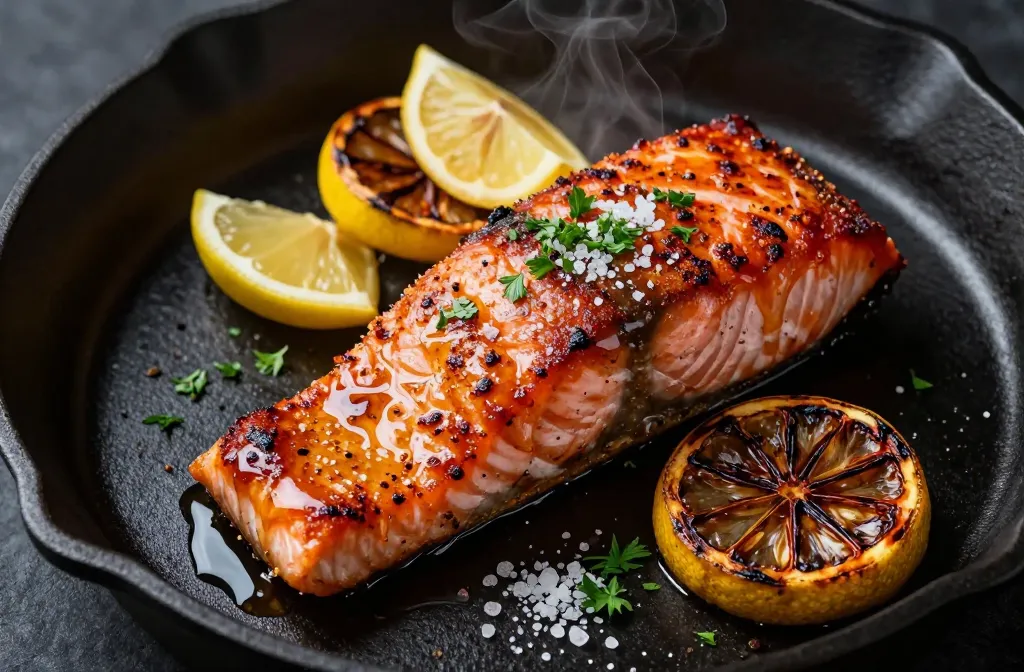
Sweet heat on a fork. That’s the whole goal here. We’ll sear a Cajun-spiced salmon until it crackles, then swipe it with a glossy honey butter that melts right into the flakes. It’s fast, wildly satisfying, and the kind of weeknight flex that tastes like you tried harder than you did. Ready to make something that tastes like a restaurant cheat code?
Why Cajun + Honey Butter Works Like Magic
The Cajun spice brings smoky heat, garlic, and a whisper of earthiness. Honey butter slides in with rich sweetness and a silky finish. Together, they hit every corner of your taste buds, and your brain goes “Oh, we’re doing seconds.”
You also get texture contrast. The spices crust on the salmon, while the glaze stays glossy and sticky. That combo makes each bite feel like a tiny event. IMO, balance beats complexity every time.
The Spice Blend: Build Your Cajun Foundation
You can grab a store-bought Cajun seasoning, but mixing your own gives you control over salt and heat. FYI, pre-made blends often run salty. Build your base with a simple mix and tweak as you go.
DIY Cajun Seasoning (Not Fussy, Just Good)
- 2 tsp smoked paprika (or sweet paprika if you want less smoke)
- 1 tsp garlic powder
- 1 tsp onion powder
- 1 tsp dried thyme
- 1 tsp dried oregano
- 1/2–1 tsp cayenne (start low, add heat later)
- 1 tsp kosher salt (reduce to 1/2 tsp if your butter’s salted)
- 1/2 tsp black pepper
Stir well and taste a tiny pinch. You’ll feel the heat on the back of your tongue and the herbs up front. That’s your signal it’s ready.
Honey Butter Glaze: The Shiny Finishing Move
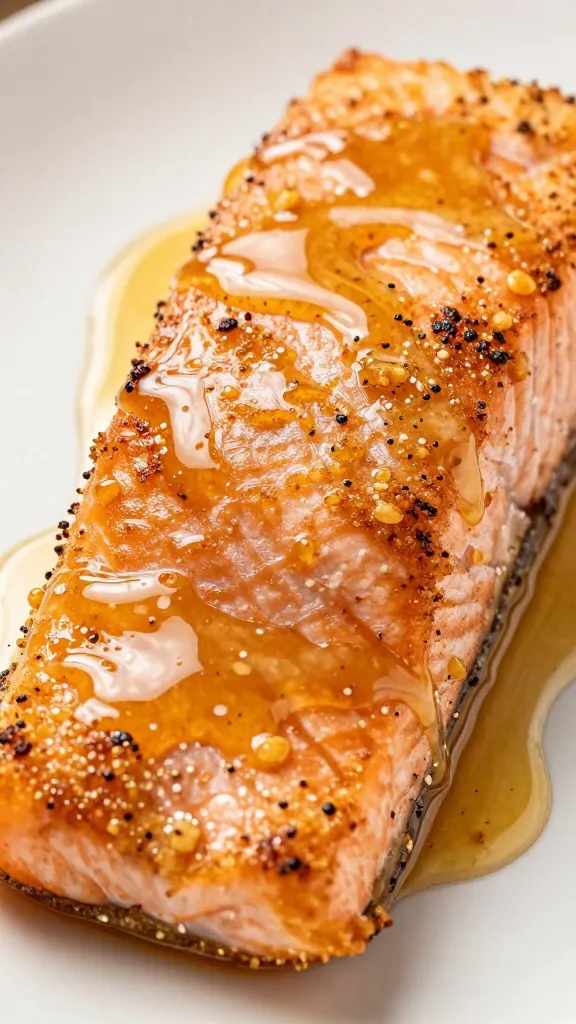
Let’s not overcomplicate this. The glaze equals butter plus honey plus a squeeze of acidity to keep it lively. It slides over the hot salmon and becomes a glossy coat. Chef’s kiss.
Fast Honey Butter Glaze
- 3 tbsp unsalted butter
- 2 tbsp honey
- 1 tsp lemon juice (or apple cider vinegar)
- Pinch of salt (skip if butter is already salted)
- Optional: a tiny pinch of cayenne for extra kick, or a splash of hot sauce
Melt butter over low heat, whisk in honey, then finish with lemon. Keep it warm. If it firms up, rewarm gently. Don’t boil it unless you want caramel, which is a different party.
Choosing and Prepping Your Salmon
You want fillets about 1 to 1.5 inches thick. Skin-on helps with moisture and protects against overcooking. Wild salmon runs leaner and cooks faster, while farmed tastes richer and forgiving. Both work—choose what you like and watch your timing.
Quick Prep Checklist
- Pat dry the fillets. Dry fish equals better crust.
- Rub with oil (avocado, canola, or light olive oil).
- Season generously on all sides with your Cajun blend.
- Let it sit 10 minutes while you heat the pan or oven. The salt sinks in and the spices hydrate.
Cooking Methods That Nail It Every Time
Pick your fighter: skillet, oven, or air fryer. They all win if you watch the clock and don’t overcook. Salmon tastes luxurious at medium, with moist flakes and a hint of translucence in the center.
Cast-Iron or Stainless Skillet (Crispy edges, restaurant vibes)
- Heat a slick of high-heat oil over medium-high until it shimmers.
- Lay salmon skin-side up first for a strong spice crust. Sear 2–3 minutes.
- Flip gently. Sear 2–3 minutes skin-side down.
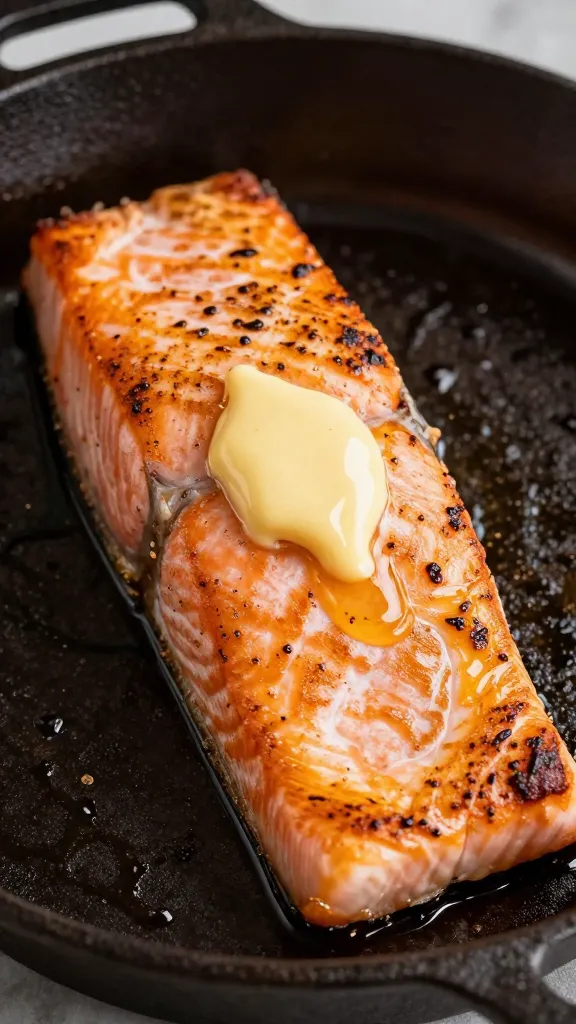
- Lower heat to medium. Spoon in half the honey butter and baste for 30–60 seconds.
- Cook until the thickest part flakes with gentle pressure, about 125–130°F internal for medium.
Oven-Roasted (Hands-off and consistent)
- Preheat to 400°F. Line a sheet pan and oil lightly.
- Roast skin-side down for 8–12 minutes depending on thickness.
- Brush with honey butter for the last 2–3 minutes to set the glaze.
Air Fryer (Weeknight speed run)
- Preheat to 390°F.
- Air fry skin-side down for 7–10 minutes.
- Brush with glaze at the 6-minute mark so it sets without burning.
FYI: Honey burns fast. If you see dark spots, reduce heat a touch or glaze later in the cook.
Sides and Pairings That Actually Keep Up
You need sides that match the sweet heat without stomping all over it. Think freshness, crunch, and a little tang. Heavy, saucy sides can feel chaotic here.
Easy Pairing Ideas
- Charred corn and tomato salad with lime and cilantro. Sweet + bright = perfect foil.
- Garlic-lime slaw for crunchy coolness.
- Coconut rice or buttery jasmine rice to soak up extra glaze.
- Roasted broccoli or green beans tossed with lemon zest.
- Grilled pineapple if you want a tropical vibe and you’re not afraid of joy.
Pro Moves and Fixes
Let’s talk little tweaks that move you from “good” to “did you cater this?”
Make the Spice Stick
Lightly oil the salmon before seasoning. The spices cling better and brown evenly. If they still flake off, press the seasoning in gently with your palm.
Control the Heat
If your spice mix leans hot, cut cayenne in half and finish with more honey butter. Or sneak in a teaspoon of brown sugar into the seasoning for a caramelized edge.
Keep It Juicy
Pull at 125–130°F and rest 3 minutes. The carryover heat finishes the center. Overcook it, and you’ll invent a new texture called “salmon mulch.” Don’t do that.
Glaze Without Burn
Add the honey butter near the end or off heat. You’ll still get shine and flavor without scorch. If you want more gloss, glaze again right before serving.
Serving and Plating (A Little Drama Helps)
Warm plates if you can. Place the salmon skin-side down, then spoon a ribbon of extra glaze over the top. Scatter chopped parsley or chives for color. Lemon wedges on the side make you look like you know things.
Quick Garnish Upgrades
- Lemon zest for brightness
- Thinly sliced scallions for a fresh bite
- Toasted sesame seeds if you added a splash of hot sauce to the glaze
- Crushed peanuts for a Thai-adjacent crunch (untraditional, but delicious)
FAQ
Can I use frozen salmon?
Totally. Thaw it overnight in the fridge or under cold running water in the package. Pat it very dry before seasoning, because extra moisture fights your crust. Frozen salmon works great as long as you don’t rush the thaw.
What if I don’t like spicy food?
Dial down the cayenne or skip it. Keep the smoked paprika and herbs for flavor without heat. You still get that bold Cajun vibe, just at a gentler volume.
Can I grill the salmon?
Yes, and it’s awesome. Oil the grates well and cook skin-side down over medium heat for 6–10 minutes, depending on thickness. Glaze in the last couple minutes so the honey doesn’t torch. If your grill runs hot, use indirect heat to finish.
How do I know when the salmon’s done without a thermometer?
Press the thickest part with your finger or a fork. It should flake easily but still feel juicy and springy. If it looks dry and flakes aggressively, you went a bit too far. Next time, pull it earlier and rest it.
Can I make this dairy-free?
Swap butter with a neutral vegan butter or refined coconut oil. Add a pinch more salt and a squeeze of lemon to replace butter’s richness. You’ll miss a little creaminess, but the flavors still slap.
What wines or drinks pair well?
Try a chilled Riesling, a zippy Sauvignon Blanc, or a light beer with citrus notes. For zero-proof, go with sparkling water plus lime and a tiny drizzle of honey. Clean, crisp, and it keeps the spice honest.
Conclusion
Cajun-spiced salmon with honey butter glaze hits that sweet spot: fast, bold, and low-effort fancy. You get smoky heat, glossy sweetness, and flaky fish that practically plates itself. Make it once, and you’ll keep that spice jar and glaze on repeat—weeknights, date nights, whatever. IMO, this is the kind of recipe that makes you look cool without breaking a sweat.