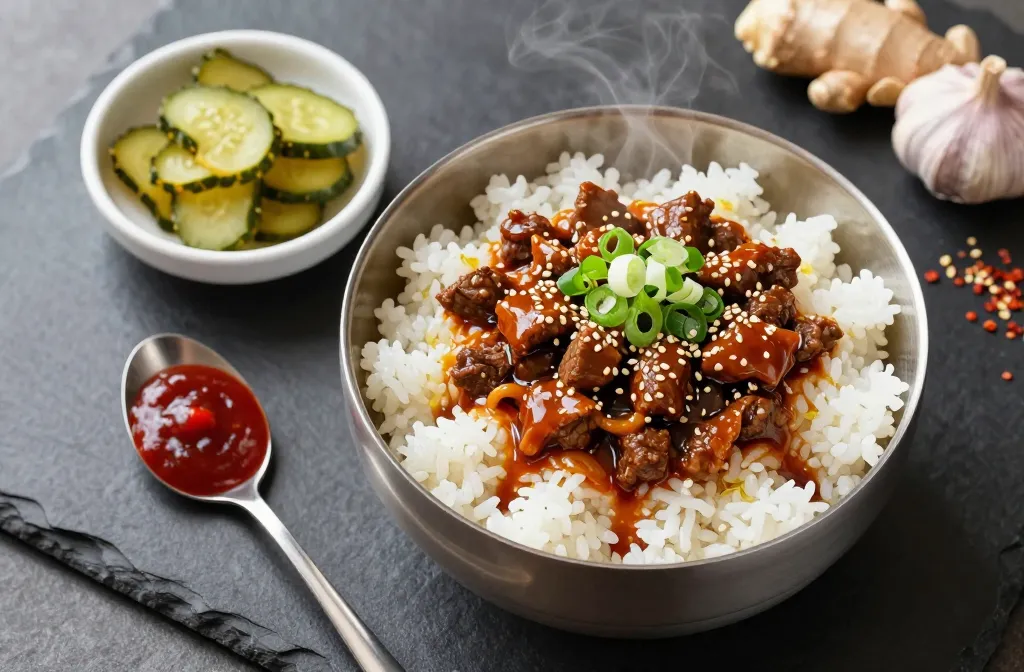
Savory Korean Beef and Rice Delight hits all the weeknight dinner goals: big flavor, minimal effort, and leftovers you’ll fight over tomorrow. It comes sizzling out of the pan sweet, salty, garlicky, and just spicy enough to keep things interesting. You’ll spoon it over fluffy rice, shower it with scallions, and feel like a culinary genius. Let’s get you there fast.
Why This Bowl Slaps
You know those meals that taste like takeout but cost less than a latte and take 20 minutes? This is one of them. We lean on ground beef, soy sauce, brown sugar, and garlic for that signature Korean-inspired vibe. The rice catches all the saucy drips and makes the bowl feel complete.
Bonus points: This dish scales easily, reheats like a champ, and welcomes whatever veg you throw at it. Broke, busy, or both? You’re covered.
The Flavor Blueprint
Let’s decode the taste, because IMO understanding the why makes you a better cook.
- Soy sauce: Brings umami, salt, and depth. Use a good one and thank yourself later.
- Brown sugar: Balances salt with caramel notes. Light or dark both work.
- Garlic + ginger: The aromatic duo that shouts “Korean-style” even from across the room.
- Sesame oil: Nutty finish that ties everything together.
- Gochujang or gochugaru: Heat and tang. Gochujang adds body; gochugaru adds clean heat.
- Scallions + sesame seeds: Freshness and crunch on top. Don’t skip.
Sweet-Heat Balance
Prefer it sweeter? Nudge the sugar up by a teaspoon. Want more kick? Add extra gochujang or a pinch of crushed red pepper. The goal: savory first, sweet second, heat trailing behind.
What You’ll Need
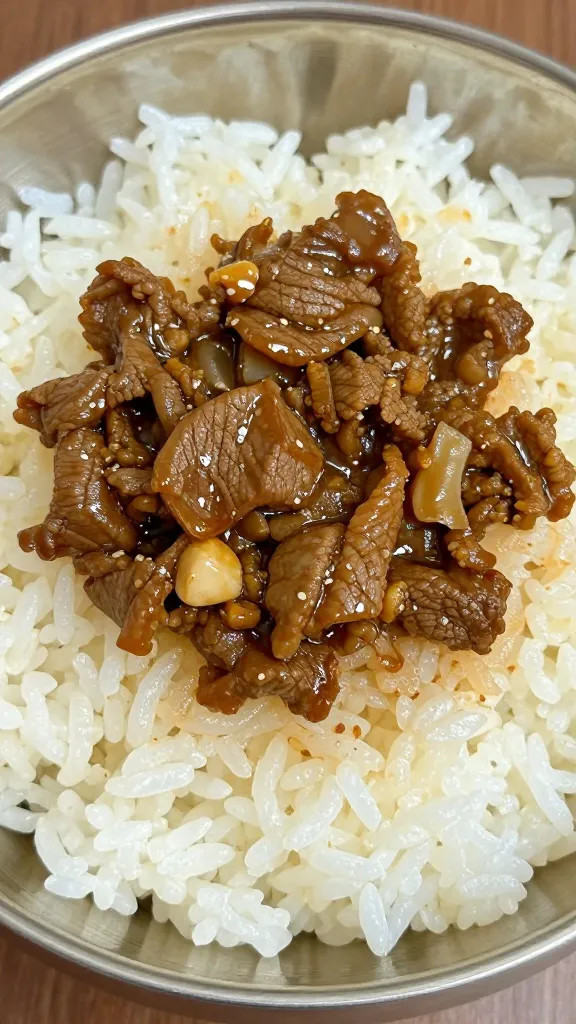
Keep it simple. You probably have most of this already.
- 1 lb ground beef (80–90% lean)
- 3–4 cloves garlic, minced
- 1 inch fresh ginger, grated (or 1/2 tsp ground ginger in a pinch)
- 1/4 cup low-sodium soy sauce
- 2–3 tbsp brown sugar
- 1–2 tbsp gochujang (or 1 tsp gochugaru)
- 1–2 tsp sesame oil
- 2 cups cooked white rice (jasmine or short-grain), or brown rice if that’s your vibe
- 2–3 scallions, thinly sliced
- Sesame seeds for garnish
- Optional veg: shredded carrots, sliced bell peppers, steamed broccoli, or spinach
FYI: You can swap ground beef for turkey, chicken, or plant-based crumbles. Keep the sauce the same and you’re golden.
Step-by-Step: Dinner in 20
Let’s cook. No overthinking.
- Cook the rice: Start your rice first so it’s fluffy when the beef finishes. Rice cooker, stovetop, whatever works.
- Brown the beef: Heat a large skillet over medium-high. Add the ground beef and break it up. Let it get some crispy bits; color equals flavor.
- Add aromatics: Drain excess fat if needed. Stir in garlic and ginger for 30–60 seconds until fragrant. Don’t let the garlic burn—trust me, you’ll taste regret.
- Build the sauce: Stir in soy sauce, brown sugar, and gochujang. Simmer 1–2 minutes until glossy and slightly thick.
- Finish with sesame oil: Turn off heat and drizzle sesame oil. Toss to coat.
- Assemble: Scoop rice into bowls, top with beef, add scallions and sesame seeds. Add your veg if you’re feeling responsible.
Pro Moves
- Crispy edges: Let the beef sit undisturbed for a minute at a time before stirring to develop caramelization.
- Thicker sauce: Simmer a little longer or add 1–2 tsp cornstarch mixed with water.
- Extra saucy: Splash in 1–2 tbsp water while simmering to loosen and spread flavor.
Rice Talk: Choose Your Base
Rice isn’t just filler—it’s the canvas for the sauce.
- Jasmine rice: Light, aromatic, and perfect for weeknights.
- Short-grain white rice: Slightly sticky, great for scooping big bites.
- Brown rice: Nutty and hearty if you want extra fiber.
- Cauliflower rice: Low-carb option; cook it dry to avoid sogginess.
Quick Rice Tips
- Rinse rice until water runs clear for fluffier grains.
- Let cooked rice rest 5 minutes, then fluff with a fork.
- Day-old rice works great too—hello, meal prep.
Veg Add-Ins That Make It Pop
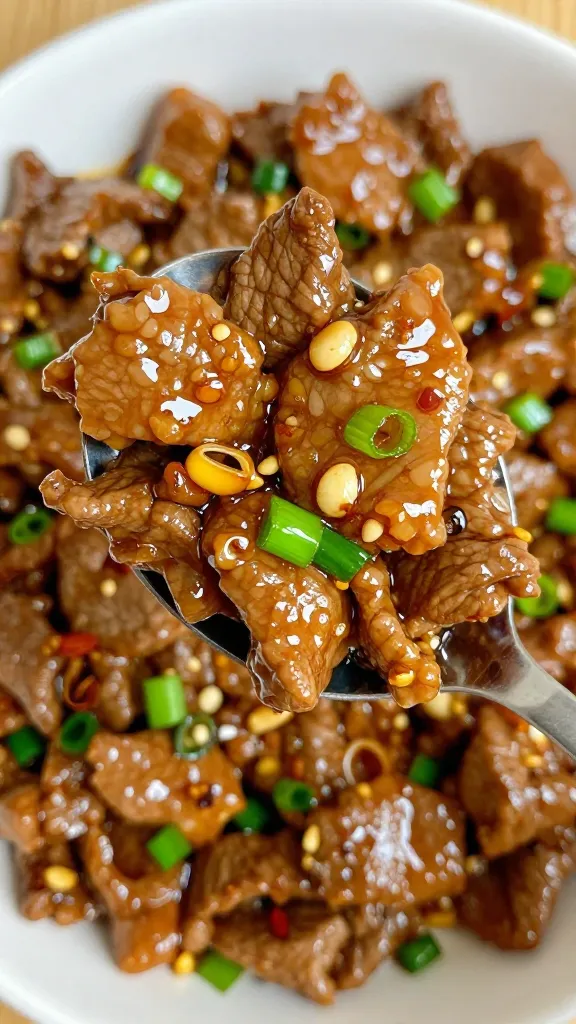
You can keep it classic or go full veggie rainbow. Either way, the beef doesn’t mind.
- Broccoli: Steam or roast, then toss in with the sauce.
- Spinach: Wilt directly into the skillet during the last minute.
- Carrots: Julienne for crunch, or sauté for sweetness.
- Bell peppers: Quick sauté keeps them crisp-tender.
- Cucumber ribbons: Cool contrast on top, not cooked.
Pickled Perks
A quick pickle brightens everything. Toss thinly sliced cucumbers with rice vinegar, a pinch of sugar, and salt. Rest 10 minutes. Tangy crunch achieved.
Make-Ahead, Reheating, and Leftovers
This dish loves the fridge and doesn’t get weird. Meal-prep it, portion it, and you’re set.
- Storage: Keep beef and rice separate for best texture. 3–4 days in airtight containers.
- Reheat: Skillet with a splash of water or microwave in short bursts, stirring once. Add a fresh drizzle of sesame oil at the end.
- Lunch hack: Pack scallions and sesame seeds separately so they stay crisp.
Serving Ideas That Feel Fancy (Without Trying)
Want to nudge it into “wow” territory without extra stress? Easy.
- Fried egg on top: Runny yolk acts like extra sauce. Yes, please.
- Nori flakes: Sprinkle for extra umami and texture.
- Kimchi: Spicy, funky crunch that cuts through richness.
- Lettuce wraps: Spoon beef into romaine or butter lettuce for a lighter bite.
Sauce Tweaks
- Honey-soy: Swap brown sugar for honey and add a squeeze of lime.
- Garlic-bomb: Add an extra clove or two, then thank your future self.
- Extra deep: Add a splash of mirin or a teaspoon of fish sauce for umami fireworks.
FAQ
Can I make this gluten-free?
Yes. Use tamari or a certified gluten-free soy sauce, and double-check your gochujang label since some brands use wheat. Everything else plays nice.
What if I don’t have gochujang?
Use gochugaru for heat and a tiny squeeze of ketchup or a dab of miso for body. In a pinch, a mix of chili flakes and a little extra brown sugar works. Not the same, but still tasty IMO.
How do I keep the beef from tasting bland?
Season from the start and let the meat brown properly. Don’t rush the Maillard magic—give it contact with the pan and time to caramelize. Finish with sesame oil and fresh scallions for a clean, punchy finish.
Can I use a different protein?
Absolutely. Ground turkey, chicken, or pork all work. For plant-based, use firm tofu crumbles or meatless grounds. You might add a splash more soy or gochujang for depth, since leaner proteins need extra help.
Is this spicy?
Only as spicy as you make it. Start with 1 tablespoon gochujang and adjust from there. You control the fire level—this isn’t a dare.
What sides go well with it?
Cucumber salad, kimchi, roasted broccoli, or a simple miso soup. If you want a party plate, add mandu (dumplings) and call it a night. Your table, your rules.
Conclusion
Savory Korean Beef and Rice Delight brings bold flavor without the chaos. It’s fast, flexible, and ridiculously satisfying—the trifecta. Make it once and it’ll sneak into your weekly rotation, FYI. Now grab a bowl, pile it high, and don’t forget the scallions.