That brass candlestick looked golden once… now it’s giving “pirate treasure at the bottom of the bay.” Good news: you can bring back the shine without wrecking your Saturday. With a few household staples and some no-nonsense steps, you’ll clean brass like a pro—no chemistry degree required. Ready to ditch the tarnish?
First, figure out if it’s actually brass
Before you scrub anything, make sure you’re dealing with solid brass, not brass-plated metal. Why? Because abrasive methods can ruin plating faster than you can say “whoops.”
Quick tests to tell solid brass from brass-plated
- Magnet test: Grab a fridge magnet. If it sticks, you’ve probably got brass-plated steel. If it doesn’t, you might have solid brass.
- Color check: Scratch a tiny, hidden spot with a pin. If the scratch looks yellow-gold all the way through, it’s solid brass. If you see silver/gray underneath, it’s plated. Be gentle.
- Weight feel: Solid brass feels heavy for its size. Plated items often feel suspiciously light.
FYI: If it’s plated, avoid harsh chemicals and abrasive scrubbing. You’ll baby it a bit more.
Gather your cleaning gear
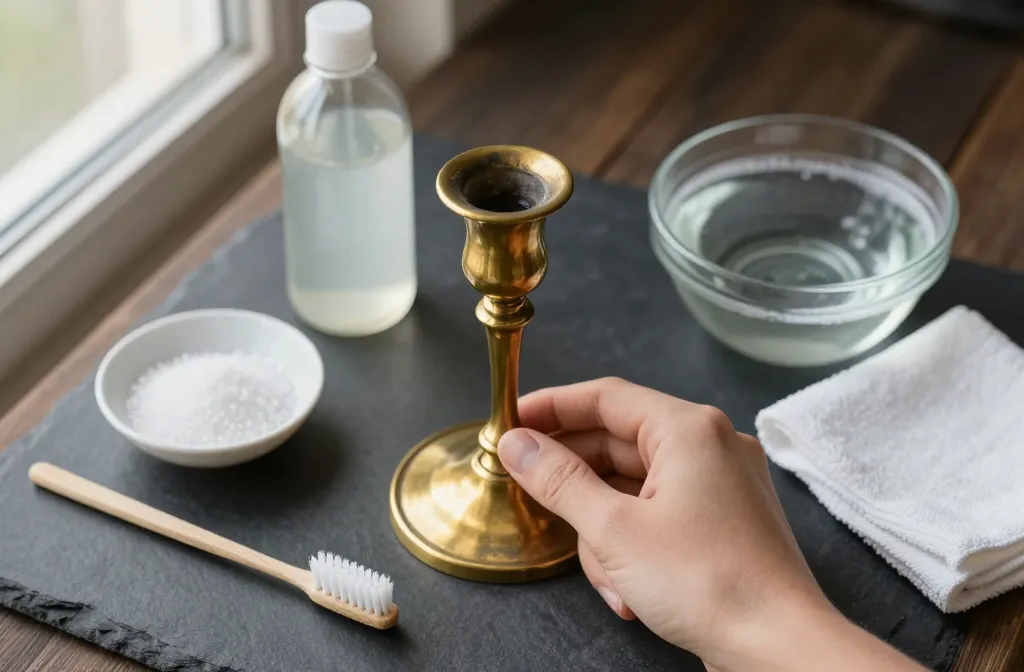
You don’t need a lab. You probably own most of this already.
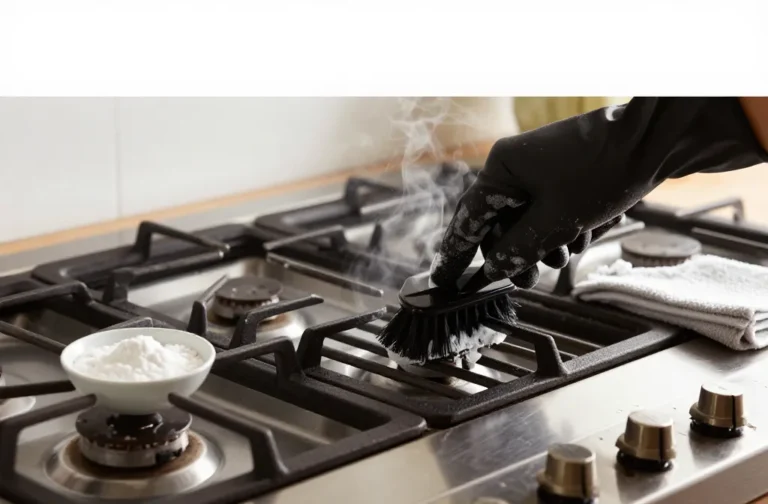
- Warm water, mild dish soap
- Soft cloths or microfiber towels
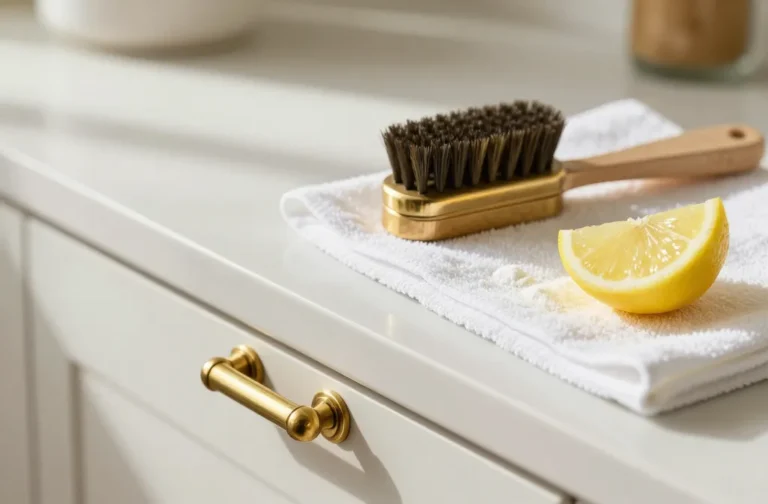
- Soft toothbrush or small detailing brush
- White vinegar and table salt
- Lemon and baking soda (or flour)
- Commercial brass polish (optional but handy)
- Gloves (to avoid fingerprints and for sensitive skin)
- Wax or mineral oil for protection
IMO: Start mild, escalate only if needed. Your brass will thank you.
Step-by-step: from grimy to gleamy
Let’s work from gentle cleaning to full-on tarnish warfare.
1) Wash off the gunk
- Mix warm water with a few drops of dish soap.
- Wipe the brass with a soft cloth. Use a toothbrush for crevices.
- Rinse with clean water and dry immediately.
If it already looks great, stop here and do a victory lap.
2) Try a lemon-salt shine (for solid brass)
- Cut a lemon in half and dip the cut side in salt.
- Rub it on the brass in small circles. Watch the tarnish melt.
- Rinse with warm water and dry thoroughly.
Pro tip: Add a sprinkle more salt for stubborn spots, but don’t sandpaper the life out of it.
3) Vinegar-salt paste (for heavier tarnish)
- Mix 1 tablespoon salt with 1/2 cup white vinegar. Stir in flour or baking soda to make a paste.
- Smear it on the brass. Let it sit 10–15 minutes (not hours—this isn’t a marinade).
- Scrub gently with a soft brush, rinse, and dry completely.
This method works wonders, but keep an eye on it. Over-soaking can dull the finish.
4) Commercial brass polish (quick and predictable)
- Apply a small amount with a soft cloth.
- Rub in the direction of any visible grain or in small circles.
- Buff to a shine with a clean cloth.
FYI: Check the label. Some polishes also seal the brass a bit, which helps slow tarnish.
Dealing with tricky items and finishes
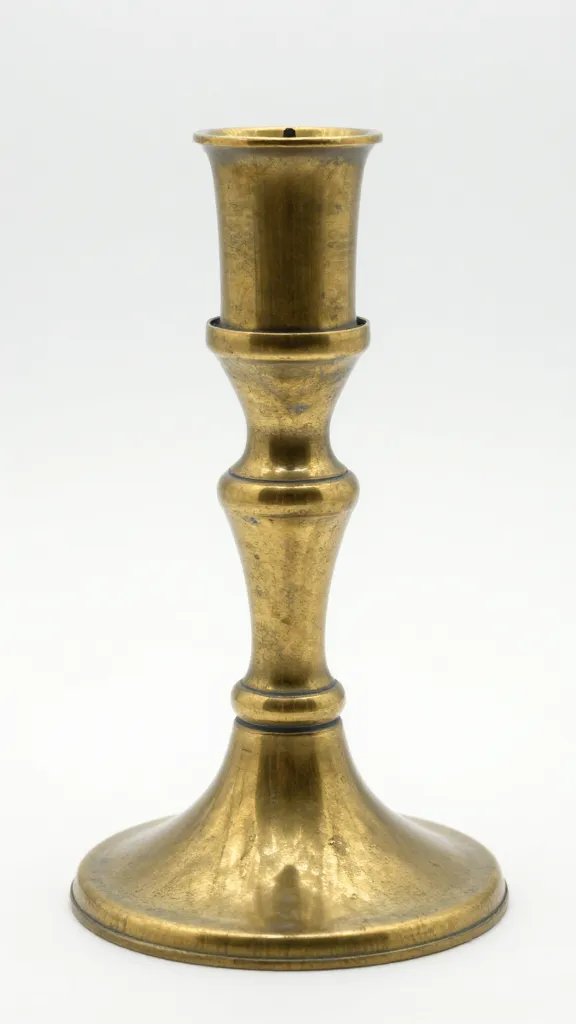
Not all brass wants the same kind of love. Some pieces act fussy.
Lacquered brass
If your item has a clear coating (it looks super shiny, almost plastic-like), cleaning gets simple:
- Wipe with soapy water only. Dry well.
- Don’t use acids, abrasives, or polish unless you plan to remove the lacquer entirely.
If the lacquer has peeled or cracked, you can strip it with a lacquer remover, clean the raw brass, then re-lacquer or wax it. That’s a bigger project, but it delivers chef’s-kiss results.
Brass-plated items
- Stick to mild soap and water. Dry right away.
- If tarnish shows, use a very diluted vinegar solution (1 part vinegar to 5 parts water), quick wipe, then rinse.
- Avoid scrubbing or gritty pastes. You’ll go through the plating faster than you think.
Intricate or antique pieces
- Use cotton swabs and a soft toothbrush to reach details.
- Don’t chase absolute perfection on antiques; you want clean, not “brand new from the mall.” Patina adds character and value.
- When in doubt, test in a hidden area first. Always.
Polishing like you mean it
Once you’ve cleaned off dirt and tarnish, polishing takes you from “nice” to “wow.”
- Choose your polish: A dedicated brass polish gives consistent results. Homemade pastes work too but need more elbow grease.
- Use soft cloths only: Microfiber or old t-shirts. No paper towels—they can scratch.
- Small circles, light pressure: Let the polish do the heavy lifting.
- Buff thoroughly: Keep swapping to a clean, dry cloth until you get that mirror glow.
When stains won’t budge
Some dark spots just laugh at your first attempt. Try:
- A second round with lemon-salt or vinegar paste, shorter contact time.
- A non-scratch scrubbing pad, very gently, only on solid brass.
- Switching products. Sometimes the brass prefers one formula over another. It’s moody like that.
Seal and protect the shine
You worked hard—lock it in.
- Wax: Apply a thin coat of microcrystalline wax or carnauba wax. Buff after it hazes. This adds a subtle seal that slows tarnish.
- Light oil: A whisper of mineral oil works on items you handle often (like doorknobs). Wipe off any excess to avoid smudges.
- Lacquer: If you want long-term protection on display pieces, spray a clear lacquer designed for metals. Follow directions, and apply in thin, even coats.
IMO: Wax gives the best balance of protection and easy upkeep for most home items.
Keep it shiny with low effort
Maintenance beats marathon cleaning sessions. A few simple habits will save you time.
- Dust and wipe monthly with a soft, dry cloth.
- After handling, give pieces a quick wipe to remove fingerprints (your skin oils speed tarnish).
- Store rarely used items in a dry place with anti-tarnish strips or silica gel.
- Spot-clean early. Don’t wait for the “ancient relic” look unless that’s your vibe.
FAQ
How do I know if I should keep the patina or polish it off?
Ask yourself: do you want character or sparkle? Patina looks warm and aged and can add value to antiques. If you’re unsure, clean gently and stop before heavy polishing. You can always polish more later, but you can’t un-polish.
Can I use ketchup to clean brass?
Yes, weirdly. The mild acids in ketchup can dissolve tarnish. Smear a thin layer, wait 10–15 minutes, then rinse and dry. It works in a pinch, but vinegar-lemon methods clean faster and smell less like a hot dog st and.
Is ammonia safe for brass?
Skip it for regular cleaning. Ammonia can stress brass and mess with the finish, especially on plated or lacquered pieces. You’ve got gentler, safer options that do the job without drama.
What if my brass item is glued to something (like a lamp with glued parts)?
Avoid soaking. Use damp cloth cleaning and quick rinses so water and acids don’t creep into seams. Dry with a hairdryer on low to keep moisture out of the joints. It’s fussy, but it protects the piece.
My polished brass tarnished again in a week. What gives?
Air, humidity, and fingerprints. After cleaning, apply wax or a very light oil, and keep it dry. In humid homes, consider silica packs nearby. Also, buff off all polish residue—leftovers can spot.
Can I put brass in the dishwasher?
Nope. Hot water, detergent, and banging around equals sadness. Hand wash only, then dry right away. Your brass will live a longer, happier life.
Wrap-up: shine without the struggle
Brass looks fancy, but cleaning it doesn’t need to feel like a boss battle. Start gentle, use simple acids like lemon or vinegar when needed, and finish with a polish and a bit of protection. Keep up with quick wipes and you’ll never face a tarnish takeover again. And hey, if anyone asks how you made it sparkle, just say “trade secret”—I won’t tell.