Let’s talk about the porcelain throne. When it’s sparkling, the whole bathroom feels fresher. When it’s stained? Yikes. The good news: you can banish those rust, hard-water, and mystery stains without turning cleaning day into an epic saga. I’ll walk you through what works, what’s overhyped, and how to keep those rings from coming back like a bad sequel.
Understand What You’re Up Against
Not all toilet stains act the same. Some laugh at your favorite cleaner and need a different approach. Identify the type first so you don’t waste time scrubbing with the wrong stuff.
- Hard-water/mineral rings: Chalky white or gray film, sometimes tan. Mineral deposits from calcium and lime.
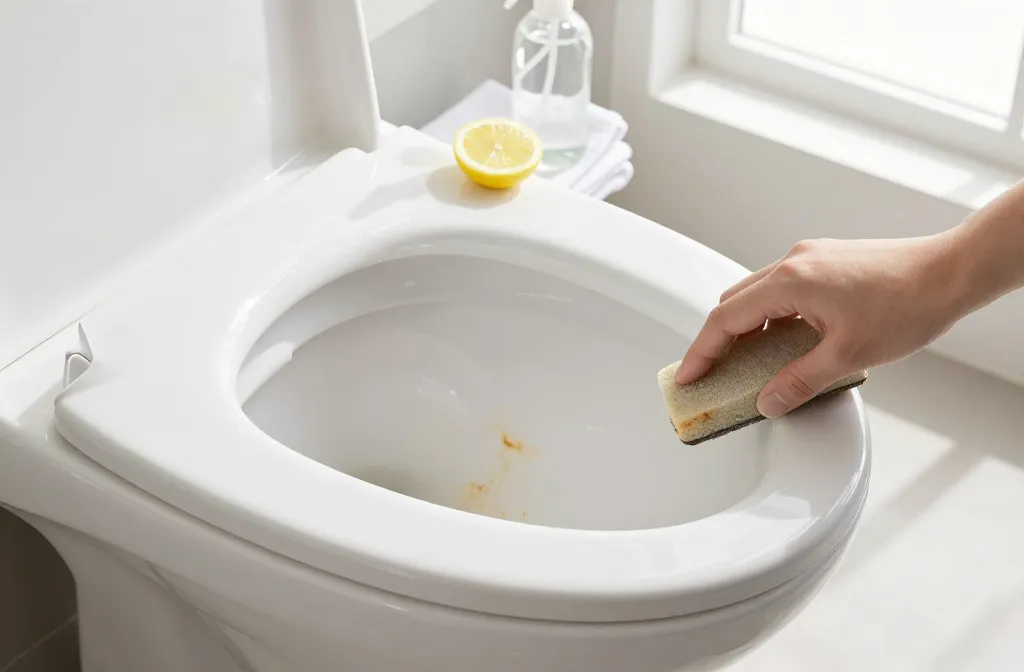
- Rust/iron stains: Orangey or reddish streaks. Often near the water line or under the rim.
- Organic stains: General discoloration from, well, life. Usually respond to bleach or oxygen-based cleaners.
- Black/green under-rim streaks: Often mildew or bacteria build-up, especially if you have poor ventilation.
Quick Test: The Lemon vs. Magnet Trick
Rub a lemon slice or vinegar on the stain. If it lightens quickly, it’s probably mineral. See reddish streaks and have well water? Likely iron. FYI, you don’t need a literal magnet—just a bit of detective work.
Gear Up: What Actually Works
Skip the 47 random products under your sink. You only need a short list. I’ll give you both everyday and heavy-duty options.
- Everyday cleaners: Toilet bowl cleaner with bleach, or a hydrogen peroxide-based cleaner.
- Acidic options for minerals: White vinegar, citric acid powder, or a commercial limescale remover.
- Rust removers: Products with oxalic acid (e.g., Bar Keepers Friend) or dedicated rust removers labeled for porcelain.
- Tools: Stiff toilet brush, pumice stone made for porcelain (safe when wet), microfiber cloth, rubber gloves.
Safety Note You Shouldn’t Skip
Never mix bleach with acids or ammonia. If you used bleach, rinse well before switching to an acidic product. Open a window. Keep your lungs happy, IMO.
The Quick Clean Routine (15 Minutes)
When the bowl looks meh but not tragic, this routine keeps things alive between deep cleans.
- Flush once to wet the bowl. Water helps cleaners cling and spread evenly.
- Apply cleaner under the rim and around the bowl. Swirl a bit with the brush.
- Let it sit 5–10 minutes. Do not rush this. Chemistry needs time to work.
- Scrub from top to bottom, especially under the rim where gunk hides.
- Flush again. Inspect. Repeat light scrubbing if you still see a faint ring.
Pro tip: Aim the cleaner bottle spout under the rim. That’s where biofilm parties happen. Crash the party.
Deep-Cleaning Stubborn Stains
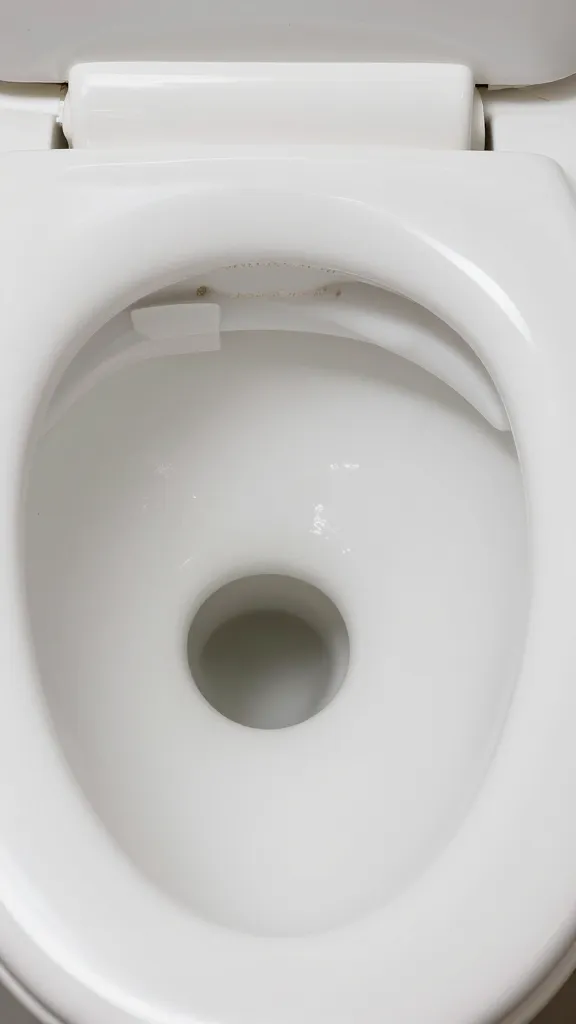
Got mineral rings that laugh at your brush? Time to get tactical. Here’s a reliable, chemical-sane approach.
Method A: Vinegar and Citric Acid Tag Team
- Lower the water level: Turn off the water at the shutoff valve and flush once, or scoop water out with a cup so stains sit exposed.
- Soak with vinegar: Pour 2–4 cups of white vinegar into the bowl, focusing on the ring. Let it sit 30–60 minutes.
- Boost with citric acid: Sprinkle 1–2 tablespoons of citric acid powder on the stains. It’ll fizz a bit.
- Scrub gently: Use a brush first. If needed, use a wet pumice stone lightly on mineral rings. Keep both stone and surface wet to avoid scratches.
- Flush and check: Turn water back on, flush, admire your handiwork.
Why it works: Acids dissolve mineral deposits. Pumice provides gentle abrasion if deposits got thick. IMO, this combo beats most fancy gels.
Method B: Rust, Be Gone
- Dry the area: Lower water level so rust streaks sit exposed.
- Apply oxalic acid cleaner: Sprinkle Bar Keepers Friend or a rust remover safe for porcelain.
- Wait 5–10 minutes. Don’t leave it forever; follow label directions.
- Light scrub: Use a soft sponge or nylon brush, not steel wool. Rinse thoroughly and flush.
Heads-up: Oxalic acid works fast. Wear gloves. Keep kids and pets out until you rinse like a pro.
Under-the-Rim Gunk: The Sneaky Culprit
If smells or streaks keep coming back, check under the rim. That’s the shadow realm of toilet grime.
- Lift the seat fully and aim your cleaner nozzle under the rim.
- Scrub with a rim brush or an old toothbrush dedicated to this job. Do not mix it back with your dental kit. Please.
- Rinse and repeat during every other cleaning. It prevents buildup big time.
When You Need Bleach
Bleach wipes out organic stains and odors fast. Use it only after rinsing off any acids. Let it sit 5 minutes, scrub, then flush twice. Balance is key—bleach can’t touch mineral or rust, but it destroys biofilm.
Prevent Rings Like a Pro
Keeping stains away saves way more time than fighting them later. Prevention hacks for the win:
- Weekly quick clean: A 5-minute brush and cleaner session stops rings from forming.
- Keep water moving: Flush daily in rarely used bathrooms to avoid stagnant mineral crust.
- Tackle hard water: Use a water softener or drop-in limescale tablets (follow labels; some tablets are harsh on tank parts).
- Ventilation matters: Run a fan after showers to reduce mildew under the rim.
- Wipe the exterior: A microfiber cloth and mild cleaner keep splashes and dust from turning gross.
FYI on Drop-in Tank Tablets
Blue tablets look cool, but some can damage rubber seals and don’t solve under-rim buildup. If you use them, pick ones labeled safe for tank parts and still scrub weekly. No free lunch, sadly.
The “I’ve Tried Everything” Nuclear Option
If stains still cling like a barnacle, escalate—carefully.
- Dedicated limescale removers: Use a professional-grade descaler. Follow directions to the letter.
- Muriatic acid (last resort): Only if you know what you’re doing. Ventilate like crazy, protect surfaces, and never mix with other cleaners. Honestly, call a pro before going this route. IMO, not worth the risk for most homes.
- Replace the toilet seat: If the seat has permanent staining or scratches, a new seat makes the whole setup look brand new for cheap.
FAQ
Can I use baking soda and vinegar for toilet stains?
Yes, for light mineral film and deodorizing. Sprinkle baking soda, add vinegar, let it fizz, then scrub. It won’t tackle heavy limescale or rust as well as citric or oxalic acid, but it’s a solid maintenance combo.
Will a pumice stone scratch my toilet?
Use a pumice stone made for porcelain
How do I remove that ugly waterline ring for good?
Drop the water level, soak with vinegar or a limescale remover, then scrub. Follow with a weekly quick clean to prevent buildup. If you have super hard water, consider a softener or anti-limescale tablets as backup.
Is bleach enough to clean everything?
Nope. Bleach kills germs and removes organic stains, but it doesn’t dissolve minerals or rust. Pair bleach with acidic cleaners (not at the same time—rinse between) for a full solution.
What if my stains keep coming back fast?
Check water hardness, clean under the rim more often, and make sure you ventilate the bathroom. Also, avoid letting water sit for days in guest baths. Stagnant water = faster rings.
Are those “no-scrub” cleaners legit?
Some help, but “no-scrub” usually means “less-scrub.” For serious stains, you still need mechanical action. A 60-second scrub beats reapplying product five times, IMO.
Conclusion
Toilet bowl stains aren’t a life sentence—you just need the right match-up. Use acids for minerals, oxalic for rust, bleach for biofilm, and a pumice stone when things get stubborn. Keep it simple, clean weekly, and hit under the rim like a hawk. Do that, and your throne stays worthy of a crown—no royal budget required.