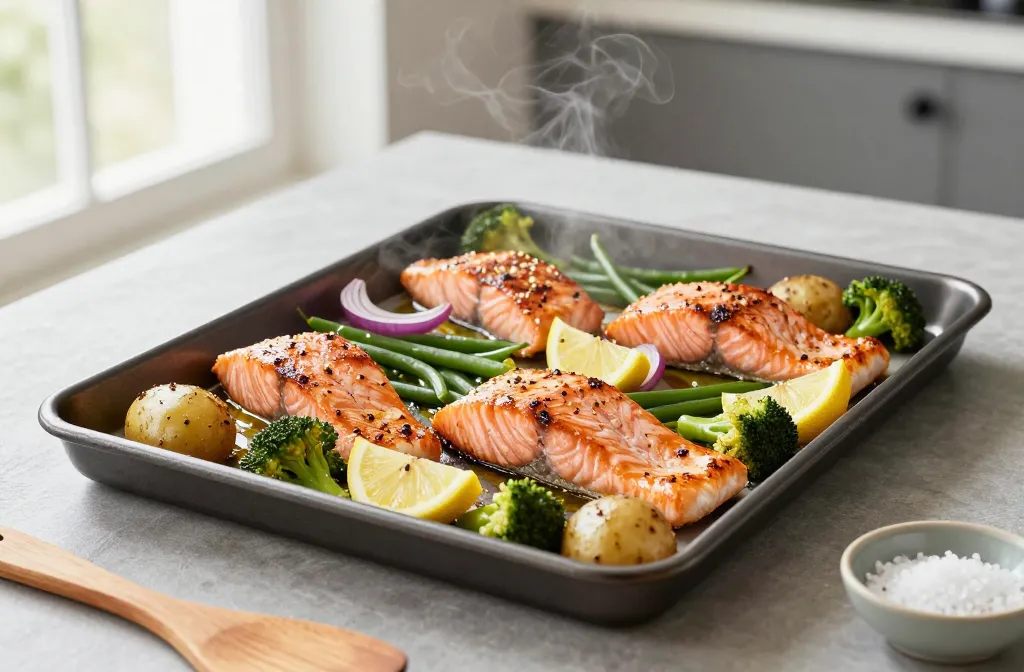
You want dinner that’s fast, healthy, and leaves your sink almost empty? Enter the one-pan salmon supper. You load up a sheet pan, shove it in the oven, and boom—20 minutes later you’re eating like someone who has their life together. No juggling pans, no fancy equipment, just solid flavor and smart shortcuts.
Why One-Pan Salmon Wins on Busy Nights
Short on time, long on hunger? This meal hits the sweet spot between convenience and nutrition. Salmon cooks quickly and pairs beautifully with a bunch of veggies, which means you get a balanced plate without babysitting anything.
Also, cleanup takes about 90 seconds. One pan, one spatula, maybe a cutting board if we’re getting wild. FYI: roasted salmon and crispy veggies taste like you tried hard, even if you didn’t.
The Core Formula (So You Can Wing It)
You don’t need a strict recipe here. You need a blueprint. Use this and tweak as you like:
- Protein: 4 salmon fillets (skin-on if possible, about 5–6 oz each)
- Veggies: Choose 2–3: baby potatoes, broccoli, green beans, asparagus, bell peppers, red onion, zucchini
- Fat: 2–3 tbsp olive oil
- Acid: lemon juice or vinegar
- Seasoning: kosher salt, black pepper, garlic, paprika, chili flakes, dried herbs
- Optional extras: Dijon mustard, honey, capers, fresh dill, feta
IMO, the dream combo: baby potatoes + broccoli + lemony Dijon glaze. It nails the cozy-crisp balance.
Quick Flavor Glaze (Highly Recommended)
Whisk together:
- 1 tbsp Dijon mustard
- 1 tbsp olive oil
- 1 tsp honey
- 1 minced garlic clove
- Juice of 1/2 lemon
- Salt and pepper
Brush it on the salmon before roasting. You’ll feel smug. You’ve earned it.
Timing: The Only “Trick” You Need
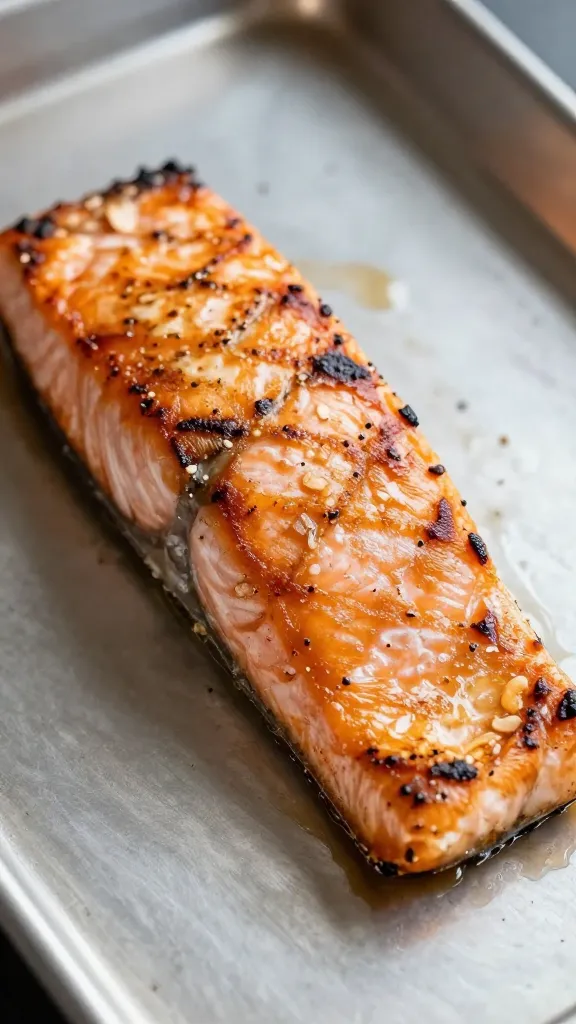
Different veggies cook at different speeds. You’ll avoid sad, mushy asparagus and underdone potatoes by staggering.
- Preheat: Oven to 425°F (220°C). Line a sheet pan with parchment for easier cleanup.
- Start the sturdies: Toss halved baby potatoes with olive oil, salt, pepper. Roast 12–15 minutes.
- Add the rest: Push potatoes to one side. Add broccoli or green beans tossed in oil and seasoning. Nestle salmon fillets skin-side down. Brush glaze on top.
- Roast: 10–12 minutes more, until salmon flakes and veggies look tender and lightly charred.
Pro tip: If using fast-cooking veg (asparagus, zucchini), add them in the final 8–10 minutes only.
Doneness Cues (No Thermometer? No Problem.)
- Flake test: Press the top lightly with a fork. It should flake but still look glossy inside.
- Color check: Center should shift from deep translucent to slightly opaque pink.
- If you own a thermometer: Pull at 120–125°F for medium. Residual heat does the rest.
Nutrition Without the Lecture
You want the gist, not a dissertation. Cool.
- Omega-3s: Salmon brings EPA and DHA, which support heart and brain health. Your future self approves.
- Protein: About 22–25g per 3.5 oz. It keeps you full and helps muscle repair.
- Fiber + micronutrients: Roasted veggies deliver potassium, vitamin C, folate, and gut-friendly fiber.
- Smart fats: Olive oil helps absorb fat-soluble vitamins and improves flavor. Win-win.
IMO, this is the rare meal that feels light but actually satisfies. No midnight snacking required.
Flavor Swaps That Keep Things Interesting
You can make this weekly without boredom. Rotate flavors like a pro.
Mediterranean Vibes
- Veg: zucchini, red onion, cherry tomatoes
- Seasoning: oregano, garlic, lemon zest
- Finish: crumbled feta, chopped dill, a drizzle of olive oil
Maple-Miso Magic
- Glaze: white miso + maple syrup + rice vinegar + grated ginger
- Veg: broccoli and carrots
- Finish: sesame seeds and scallions
Smoky Southwest
- Spice: smoked paprika, cumin, chili powder
- Veg: bell peppers, red onion, corn (thawed if frozen)
- Finish: lime wedges and cilantro
Make-It-Easier Tips You’ll Actually Use
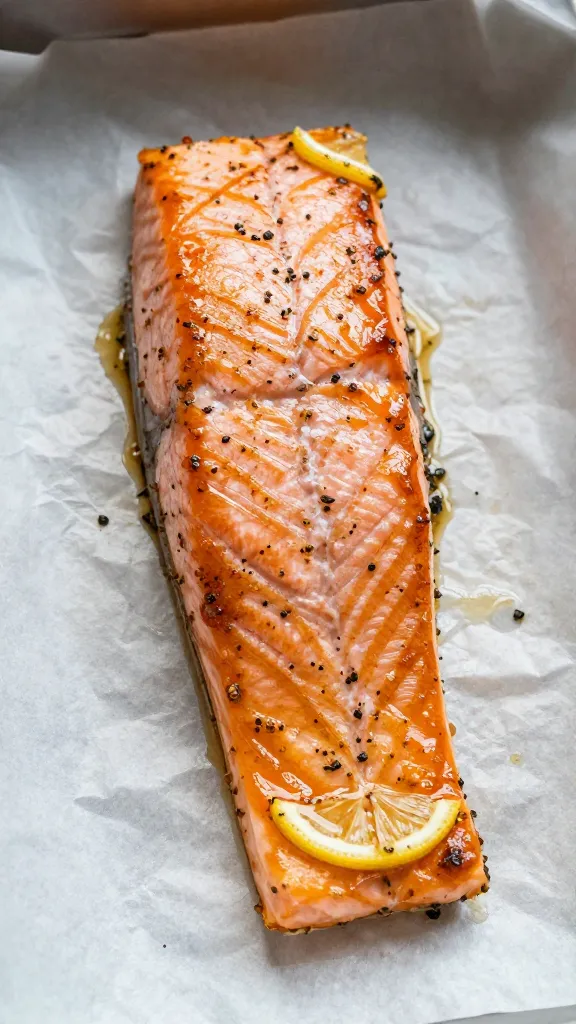
- Pat the salmon dry so the glaze sticks and the top browns.
- Cut veggies evenly for consistent roasting. Thumb-size pieces are the sweet spot.
- Don’t crowd the pan. Space = crisp edges. Overlap = steamed sadness.
- Use two pans if you’re cooking for a crowd. Same oven, same time, less stress.
- Finish with acidity (lemon juice or vinegar). It wakes up all the flavors.
- Rest the salmon 3 minutes before serving. Juicier bites, zero effort.
Serve It Like You Mean It
You can keep this super casual or make it feel fancy without extra work.
Simple Sides (If You Want More)
- Quick yogurt-dill sauce: Greek yogurt + lemon + dill + garlic
- Warm grains: quinoa, farro, or couscous
- Crunch factor: side salad with a sharp vinaigrette
Plate It Like a Pro
- Layer potatoes, then greens, then salmon on top.
- Finish with lemon zest, flaky salt, and a drizzle of olive oil.
- Add a few capers if you like briny pops of flavor. Fancy? A little.
Leftovers That Don’t Taste Like Punishment
Salmon dries out if you microwave it into oblivion. Don’t do that to yourself.
- Cold lunch: Flake leftover salmon over greens with a mustardy vinaigrette.
- Grain bowl: Reheat veggies and grains, add salmon at the end to warm gently.
- Taco moment: Salmon + cabbage + lime crema in a warm tortilla. Shockingly elite.
FYI: Store leftovers in airtight containers. Eat within 2 days for best texture and flavor.
FAQs
Wild or farmed salmon—does it matter?
Both work. Wild usually tastes richer and flakes more, while farmed tends to be milder and fattier, which helps prevent overcooking. Choose what fits your budget and availability. If you can, look for responsibly sourced options.
Can I use frozen salmon fillets?
Yes. Thaw them overnight in the fridge or do a quick thaw in a sealed bag under cold water for 30 minutes. Pat dry thoroughly before seasoning. Extra moisture causes steaming instead of roasting, and we’re here for crisp edges.
What if my veggies always end up soggy?
Spread them out so they don’t touch and use a hot oven (425°F). Dry them after washing, toss with just enough oil to coat, and salt them properly. Also, avoid adding watery veggies too early—zucchini and asparagus go in late.
How do I prevent overcooked salmon?
Pull it out slightly early and let carryover heat finish the job. Aim for 10–12 minutes depending on thickness. If the center still looks a touch glossy and flakes when pressed, you nailed it.
Any dairy-free or gluten-free adjustments?
You’re mostly set already. Use dairy-free sauces and skip any breadcrumb toppings. All suggested glazes here are naturally gluten-free if you use certified GF mustard and miso where needed. Always check labels to be safe, IMO.
Can I swap the salmon for another protein?
Sure. Try cod or trout with similar timing. Chicken thighs need longer: start them first for 20 minutes, then add veggies, and finish until cooked through. Adjust spices and glazes to match.
Conclusion
One pan, one plan, zero drama. This salmon supper fits weeknights, impresses guests, and doesn’t wreck your kitchen. Keep the core formula, tweak the flavors, and let the oven do the heavy lifting. Dinner, handled.