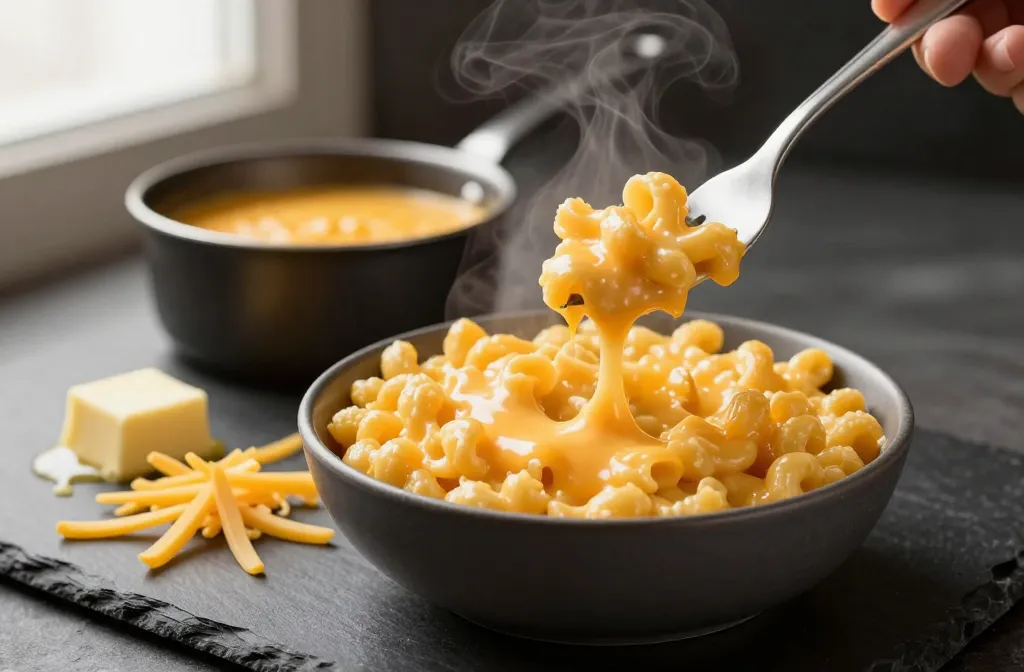
Creamy, cheesy, and unapologetically comforting—stovetop mac and cheese delivers happiness in a bowl in under 20 minutes. No baking. No breadcrumb drama. Just silky sauce that clings to pasta like it was meant to be. If you think boxed mac can compete, bless your heart—but this version takes weeknight dinner from meh to memorable with almost zero effort.
Why Stovetop Wins (Every. Single. Time.)
You control everything: the noodles, the cheese combo, the spice level, the texture. Want it saucy? Easy. Want it extra sharp and grown-up? Also easy. Stovetop mac and cheese gives you instant gratification without the oven preheat wait or casserole cleanup.
Also, the sauce? It stays glossy and creamy, not dry or curdled. You can tweak it on the fly—add more milk, more cheese, more heat—while it’s hot and forgiving. FYI, this is the move when you need dinner fast and tasty.
The Core Formula (Memorize This)
A great stovetop mac follows a simple blueprint. You don’t need a recipe tattoo—just these ratios and some common sense.
- Pasta: 8 ounces (about half a box). Elbows, shells, cavatappi—shapes with nooks rule.
- Fat + Flour: 2 tablespoons butter + 2 tablespoons all-purpose flour (aka a roux).
- Milk: 2 cups whole milk for richness. 2% works, almond milk doesn’t (it splits, IMO).
- Cheese: 2 generous cups shredded. Mix one melty (cheddar, Monterey Jack) with one flavorful (Gruyère, sharp cheddar, Pecorino).
- Seasoning: 1 teaspoon Dijon or hot sauce, 1/2 teaspoon garlic powder, big pinch salt, black pepper to taste.
Pro tip: Grate cheese yourself. Pre-shredded cheese often contains anti-caking agents that turn the sauce grainy. Your arm will forgive you.
Step-by-Step: Creamy Sauce, Zero Lumps
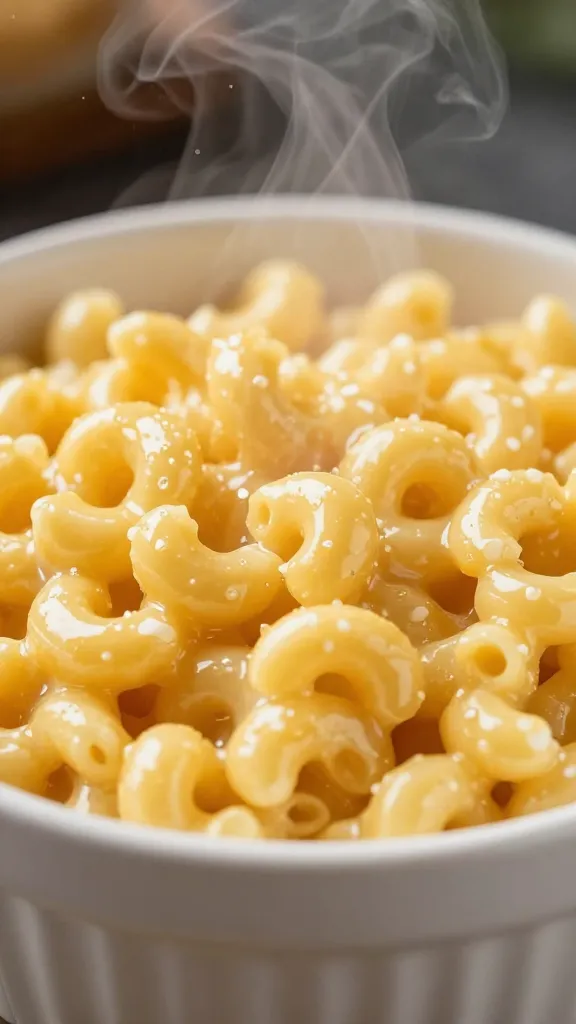
You could wing it, but here’s the guaranteed route to silky mac.
- Boil pasta in salty water until just shy of al dente. Drain and keep it nearby.
- Make the roux: Melt butter in a saucepan over medium heat. Whisk in flour. Cook 1-2 minutes until it smells toasty, not raw.
- Stream in milk slowly while whisking. Keep whisking until it thickens slightly and coats a spoon.
- Kill the heat. Stir in cheese by the handful until melted and smooth.
- Season with Dijon or hot sauce, garlic powder, salt, and pepper.
- Fold in pasta. Splash in a bit more milk if it tightens up. Serve immediately.
Clump alert: If the cheese breaks or the sauce looks grainy, you probably added cheese over high heat. Pull the pan off the burner first, then add cheese gradually. Crisis averted.
What If I Skip the Roux?
You can. Use an evaporated milk method: warm 1 can evaporated milk with 1 tablespoon butter, then whisk in cheese over low heat and toss with pasta. It’s rich and fast, but the roux version gives a thicker, silkier cling. Pick your adventure.
Cheese Combos That Slap
You can’t toss in random leftovers and expect magic. Some cheeses melt like a dream; others taste great but need a buddy.
- Classic Creamy: 60% mild cheddar + 40% Monterey Jack
- Grown-Up Sharp: 70% sharp cheddar + 30% Gruyère
- Ultra Melty: 50% American (deli slices) + 50% cheddar
- Fancy-ish: 60% Gruyère + 30% white cheddar + 10% Parmesan
- Spicy: 70% pepper jack + 30% cheddar, plus hot sauce
Avoid full-on Parm or feta as the main cheese. They add salt and tang but don’t melt into a creamy base. Use them as accents only.
Salt Smarts
Cheese brings salt. Taste the sauce before adding more. If it feels flat but salty enough, add acid (a splash of hot sauce or a squeeze of lemon) to wake it up without more salt.
Texture Tweaks: Saucy vs. Thick
Everyone has opinions. You’re right, obviously.
- Extra saucy: Use 2.5 cups milk and an extra 1/2 cup cheese. Stop cooking the pasta a minute early so it doesn’t go mushy.
- Thicker: Let the sauce simmer an extra minute before adding cheese, or add 1 teaspoon cornstarch (slurry) to the milk.
- Silk factor: Stir in 1-2 ounces cream cheese for super smooth texture. Not traditional, but it slaps.
Heat Levels Matter
High heat wrecks cheese. Keep the burner at medium or below once milk goes in. If the sauce thickens too fast, pull it off heat and whisk in a splash of milk to loosen.
Flavor Add-Ins That Don’t Feel Like Homework
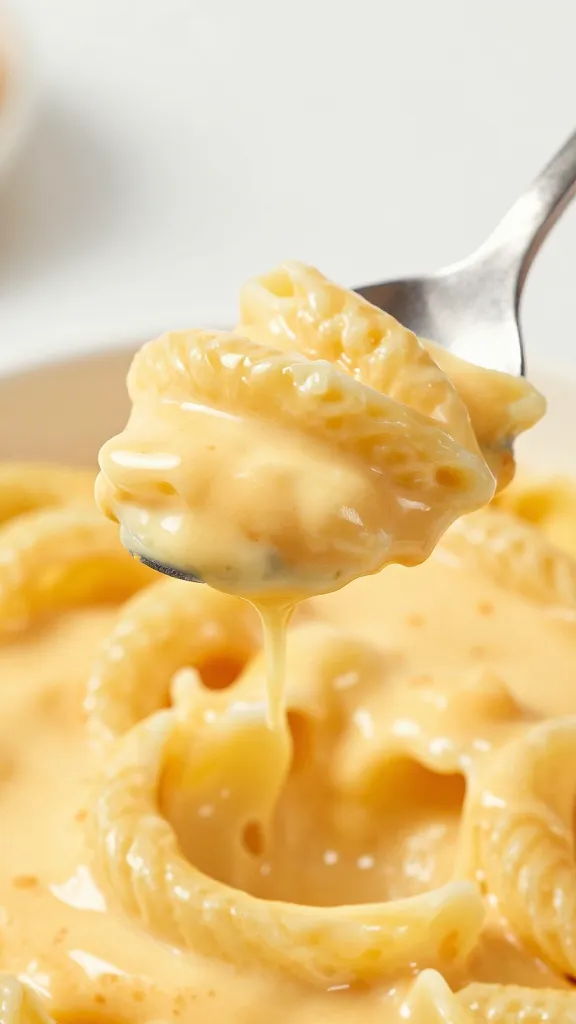
Think of these as optional power-ups. No one’s grading you.
- Crispy bits: Bacon crumbles, pancetta, or toasted panko on top (even though it’s stovetop, yes you may sprinkle).
- Veggies: Peas (from frozen), roasted broccoli, or sautéed mushrooms. Stir in at the end.
- Heat: Hot sauce, crushed red pepper, chipotle powder, or smoked paprika.
- Umami: A teaspoon of miso paste or a dash of Worcestershire. Sounds weird, tastes amazing.
- Herby: Chives, parsley, or thyme. Add right before serving.
Keep ratios sane: For every cup of add-ins, add 1/4 cup extra milk to maintain creaminess.
Make-Ahead, Reheating, and Leftovers
Stovetop mac shines fresh, but leftovers happen—and they’re still great. The sauce thickens as it sits, so plan to rehydrate.
- Make-ahead: Cook pasta and sauce separately up to 2 days ahead. Rewarm the sauce gently, thin with milk, then add pasta.
- Fridge: Store in an airtight container up to 3 days.
- Reheat: Low and slow with a splash of milk. Stir often so it turns creamy again. Microwave works in short bursts.
- Freezer: Not ideal. Dairy can split. If you must, freeze sauce only, not mixed with pasta.
Serving Moves
Top bowls with a tiny pat of butter and a crack of black pepper. Or hit it with smoked paprika for color. You suddenly look like you tried very hard.
FAQ
Can I use pre-shredded cheese?
You can, but the sauce often turns grainy or stringy because of anti-caking agents. If convenience wins, pick higher-quality pre-shredded cheddar and melt it off-heat. IMO, grating your own pays off big time.
What milk works best?
Whole milk gives the creamiest texture. 2% still works, just a touch less rich. Half-and-half makes it decadent. Non-dairy milks vary a lot; unsweetened, high-fat oat milk performs best if you go that route, but flavor changes.
How do I avoid bland mac and cheese?
Layer flavor. Salt your pasta water. Add a little Dijon or hot sauce to the sauce. Use a blend of cheeses—one for melt, one for punch. Finish with black pepper or smoked paprika. Small tweaks, big payoff.
Why did my cheese sauce break?
High heat or low-moisture cheeses can cause splitting. Remove the pan from heat before adding cheese, then stir in small handfuls. If it still breaks, whisk in a splash of warm milk or a spoonful of cream cheese to bring it back together. FYI, patience helps.
What’s the best pasta shape?
Short, ridged, or curvy shapes like elbows, shells, cavatappi, or gemelli hold sauce like champs. Long noodles feel wrong here and don’t catch the cheese as well. You want maximum surface area for cling.
Can I make it gluten-free?
Yes. Use a good gluten-free pasta and swap the roux flour for a 1:1 gluten-free blend. Or skip the roux and use the evaporated milk method with a cornstarch slurry to thicken. Keep heat gentle and you’ll get the same creamy vibes.
Conclusion
Stovetop mac and cheese nails that sweet spot between fast and indulgent. You get lush, melty sauce, zero oven time, and endless room to riff. Keep the heat low, grate your cheese, and tweak to taste—then grab a spoon and claim your victory. Dinner’s served, and it absolutely slaps.