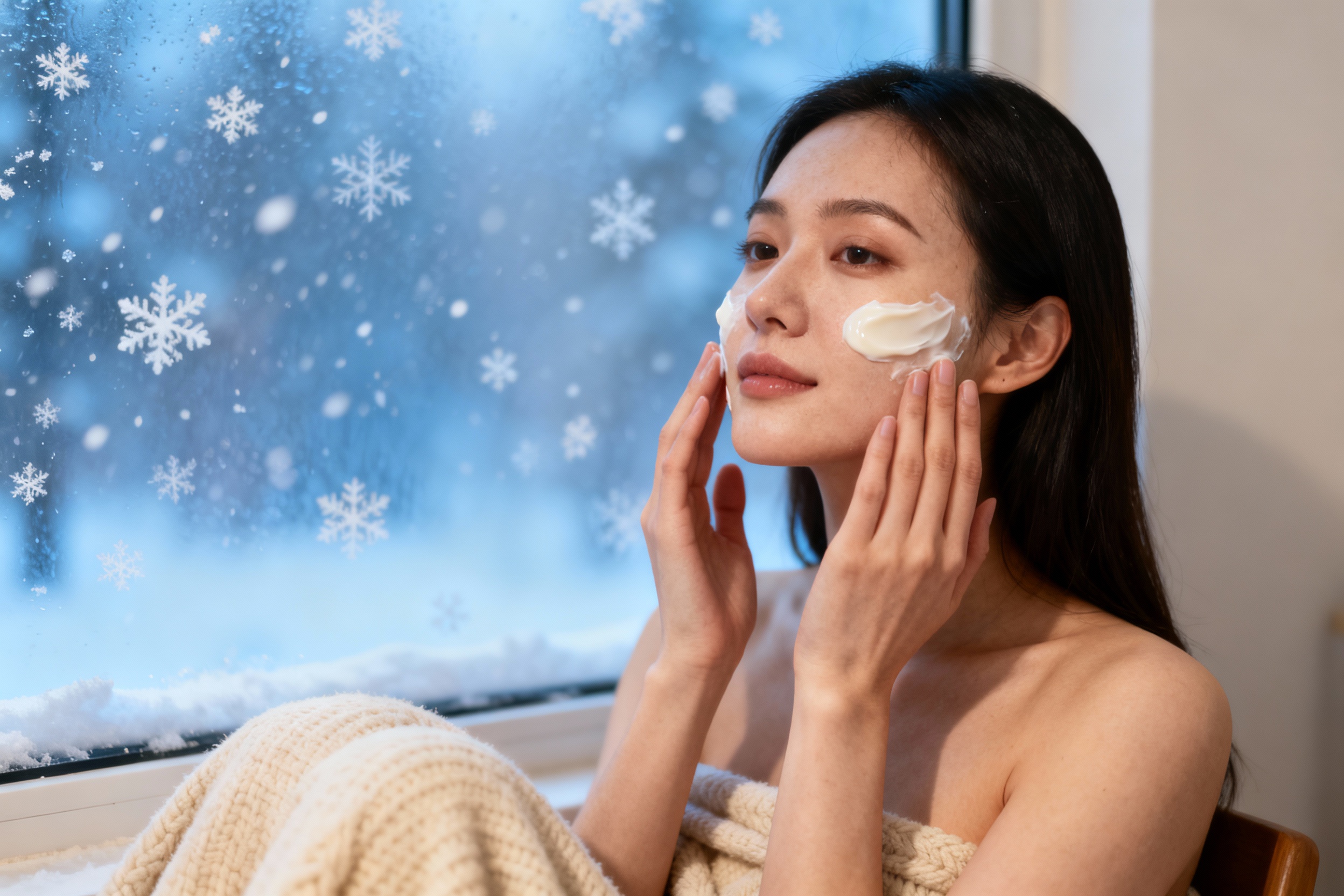
Winter hits, the wind turns spicy, and suddenly your face feels like a crouton. Dry patches pop up overnight, makeup looks flaky, and your glow? On vacation. The good news: you can outsmart winter skin. With a few strategic swaps and some barrier-loving habits, you’ll go from dull to dewy faster than your radiator can suck the moisture out of your living room.
Know Your Enemy: Why Winter Dries You Out
Winter doesn’t just “feel” dry—it literally steals water from your skin. Cold air holds less humidity, and indoor heating cranks up the evaporation. Translation: your skin barrier loses moisture and lipids, so it cracks, tightens, and gets irritated.
Here’s what’s happening under the hood:
- Trans-epidermal water loss (TEWL): Water evaporates from your skin faster in dry air.
- Compromised barrier: Fewer natural oils = more irritation and redness.
- Slower cell turnover: Dead skin cells hang around, creating dullness and flakes.
Sound dramatic? It is. But you can fix it.
Cleanse Without Stripping: Your First Defense
Over-cleansing in winter is like washing your cashmere sweater on hot. Don’t do it. You need a cleanser that removes grime without wrecking your barrier.
Choose formulas like:
- Milky or cream cleansers: Gentle, hydrating, and low foam.
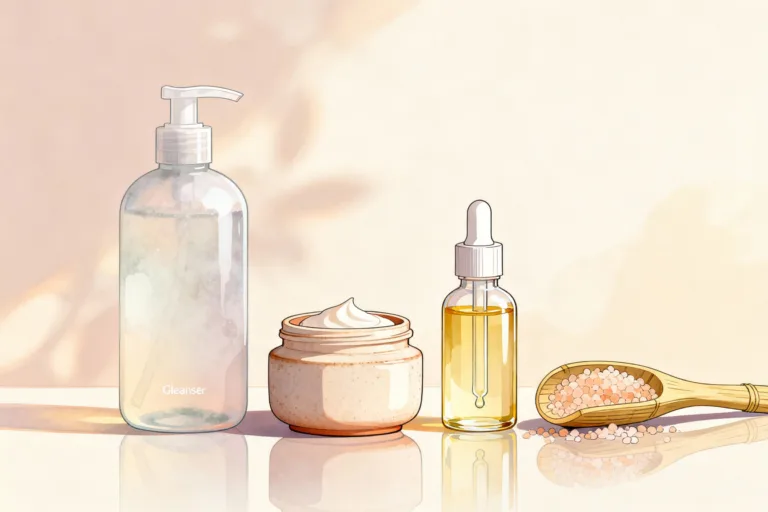
- Oil or balm cleansers: Fantastic at melting sunscreen and makeup without squeaky aftermath.
- Low-pH gel cleansers: If you love gel, pick a hydrating one with glycerin or betaine.
Pro tip: Night vs. morning
In the morning, consider just rinsing with lukewarm water or using a super gentle cleanser. At night, cleanse once unless you wore heavy makeup or sunscreen—then go for a balm + gentle second cleanse.
Hydration Sandwich: Lock Water In Like a Pro
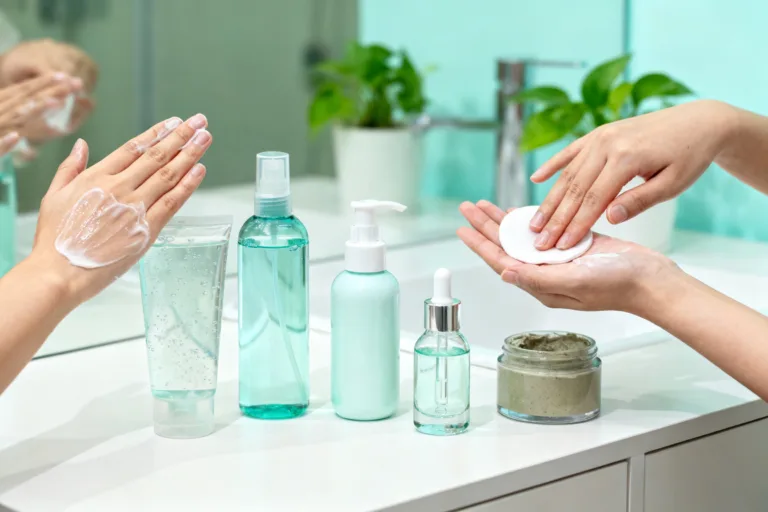
Want bouncy skin? Layer hydrating products strategically. Think of it like a sandwich: water first, then something to hold it, then something to seal it.
- Mist or damp skin: Start on slightly damp skin to help actives spread and absorb.
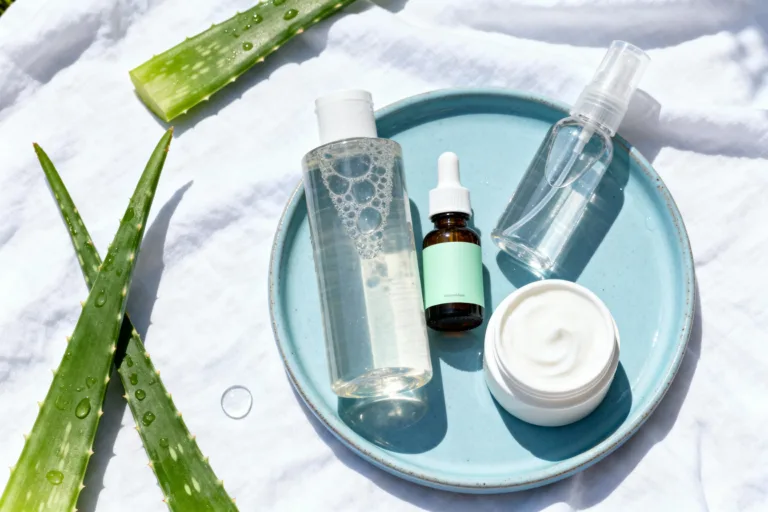
- Humectant serum: Look for glycerin, hyaluronic acid, panthenol, or aloe. These pull water into your skin.
- Moisturizer: Choose creams with ceramides, cholesterol, and fatty acids to rebuild your barrier.
- Occlusive (optional): A thin layer of petrolatum, lanolin, or squalane on the driest areas locks everything in.
Humectants need help
Using hyaluronic acid alone in dry rooms can backfire. It’ll pull water from your skin, not the air. Always pair humectants with a cream—no exceptions, IMO.
Exfoliate Smarter, Not Harsher
Flakes tempt you to scrub. Resist. Over-exfoliation wrecks your barrier and makes dryness worse. Gentle and infrequent wins in winter.
Try this instead:
- Polyhydroxy acids (PHAs): Like gluconolactone—gentle, hydrating, and barrier-friendly.
- Lactic acid (low %): Exfoliates and hydrates. Once or twice a week max.
- Enzyme masks: Papaya or pumpkin enzymes nibble at dead cells without the sting.
Signs you’ve gone too far
Burning, stinging, tightness, and redness tell you to chill. Cut back, pile on ceramide cream, and skip acids for a week.
Pick a Winter-Friendly Moisturizer
Your lightweight gel from summer won’t cut it now. You need a thicker, more nourishing texture that adds lipids and keeps water in.
Look for:
- Ceramides + cholesterol + fatty acids: The dream team for barrier repair.
- Urea (2–10%): Gently exfoliates and hydrates. Great for flaky patches.
- Squalane, shea butter, or triglycerides: Give you that velvet finish without clogging (usually).
- Niacinamide (2–5%): Calms redness and strengthens the barrier.
Oily but dry? It’s a thing
If you’re shiny yet tight, go for a gel-cream with humectants + light occlusives. Avoid heavy butters if they clog you, and spot-occlude only where you flake.
SPF Still Matters (Yes, Even When It’s Grey)
Clouds don’t block UVA, and snow reflects UV like a mirror. Winter UV damage dries and dulls your skin over time. Wear SPF 30+ every day, FYI.
What to pick:
- Moisturizing sunscreens: Look for glycerin, panthenol, or squalane in the formula.
- Mineral filters if you’re sensitive; hybrid or chemical for a lighter feel.
- Reapply if you’re outdoors for hours—use a stick or cushion for convenience.
Retinoids in Winter: Keep the Glow, Dodge the Flakes
You don’t need to quit retinoids when it’s cold. You just need to finesse your routine.
How to keep using them comfortably:
- Buffering: Apply moisturizer, then retinoid, then another thin layer of moisturizer.
- Cut frequency: 1–3 nights per week if you feel sensitive.
- Avoid stacking actives: Don’t mix with strong acids the same night if you’re flaking.
Retinal vs. retinol vs. adapalene
Retinal hits faster with similar irritation to retinol. Adapalene works well for acne but can dry you out. Choose your fighter based on your skin goals and tolerance.
Lifestyle Tweaks That Actually Help
Skincare can’t do everything if your environment fights you. Small changes add up.
- Humidifier: Run one in your bedroom. Aim for 40–50% humidity to reduce TEWL.
- Short, lukewarm showers: Hot water strips oils. Keep it under 10 minutes. Sorry.
- Post-shower window: Apply body lotion within 3 minutes of toweling off to trap water.
- Gentle fabrics: Swap scratchy wool around your face for cotton or silk blends.
- Omega-3s + hydration: Eat fatty fish or take a supplement (if approved by your doc) and drink water like you mean it.
Body care matters too
If your shins look like a desert, use a urea or lactic acid body lotion a few times a week, then seal with a richer cream on extra-dry spots like ankles and elbows.
Simple Winter Routine Examples
Because sometimes you just want a template, IMO.
Morning
- Rinse or gentle cleanse
- Hydrating serum (glycerin/HA/panthenol)
- Ceramide-rich moisturizer
- SPF 30+ (moisturizing formula)
Evening
- Oil or cream cleanser
- Hydrating serum
- Retinoid 2–3x/week (buffered), or PHA/lactic 1–2x/week
- Nourishing moisturizer
- Optional occlusive on dry patches
FAQ
Do I need to change all my products for winter?
Not necessarily. Keep your favorites but adjust textures and frequency. Swap foaming cleansers for creamier ones, use a richer moisturizer, layer hydrating serums more often, and scale back exfoliation if you feel sensitive.
Can I use face oils instead of moisturizer?
Oils help seal moisture, but they don’t hydrate by themselves. Use oil as a topper over a humectant serum and a cream. If you skip the middle layers, you’ll just have well-lubricated dryness. Cute, but no.
How do I fix makeup that looks flaky in winter?
Hydrate first. Apply a thin hydrating layer (serum + cream), wait a few minutes, then use a hydrating primer. Pick cream or liquid complexion products, avoid heavy powders, and press them in with a damp sponge. Midday touch-up? Mist lightly and tap in a tiny amount of moisturizer on dry spots.
What ingredients should I avoid if I’m super sensitive?
Dial back on high-percent AHAs, strong fragrances, and drying alcohols. Start with ceramides, panthenol, colloidal oatmeal, and low-dose niacinamide. Patch test new products because winter skin throws tantrums.
Is slugging safe for acne-prone skin?
You can slug selectively. Use a thin layer of petrolatum or squalane only on flaky areas, not your whole face. If you break out easily, try a heavier cream instead of full occlusion and see how your skin behaves.
How long until I see results?
Hydration improves in days. Barrier repair takes about 2–4 weeks with consistent use of ceramides and gentle routines. If irritation persists or worsens, check with a dermatologist—eczema and dermatitis love to crash the winter party.
Wrap-Up: Cozy Skin, Zero Crunch
Winter doesn’t have to mean tight, cranky skin. Cleanse gently, layer hydration, repair your barrier, and seal it smartly. Keep SPF in the lineup, tweak actives, and humidify your space. Do that, and your skin will stay soft, comfy, and—dare I say—glowy enough to rival your holiday lights.