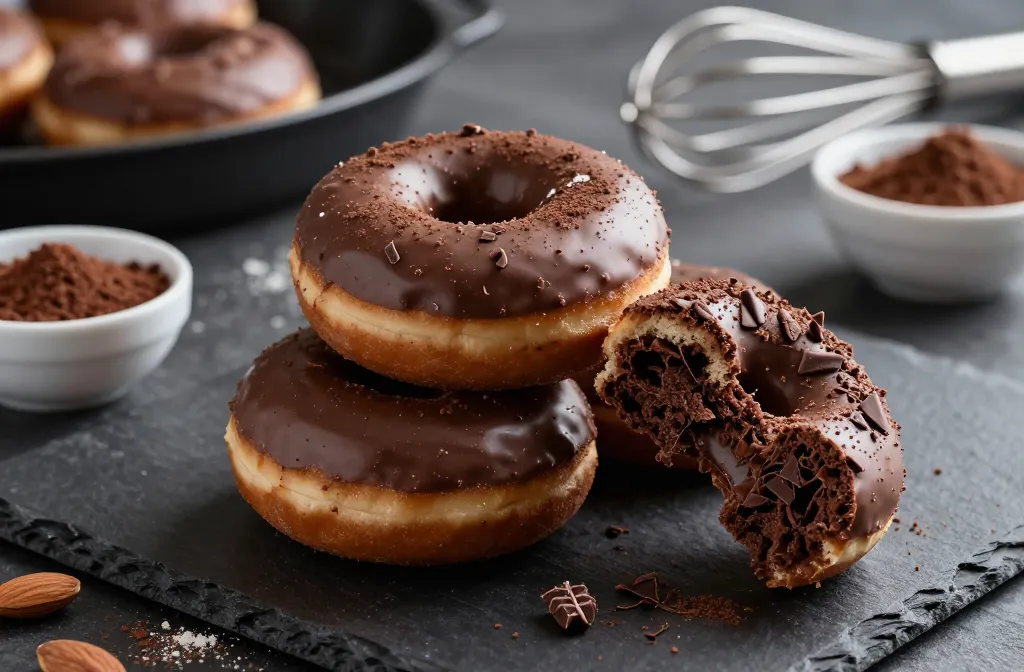
Chocolate donuts that fit a low-carb lifestyle? Yes, that dream exists, and it tastes like victory. We’re talking tender, cakey, rich-as-sin donuts that won’t blow your carb count. No weird aftertaste, no gritty texture, and definitely no sadness. Grab a mixing bowl and a smug smile—these keto chocolate donuts deliver.
Why Keto Chocolate Donuts Work
Keto donuts succeed because they skip the sugar-and-wheat combo that spikes your blood sugar. Instead, you use low-carb flours and sweeteners that play nice with your macros. The result? Moist, chocolatey rings with legit bakery vibes and none of the crash.
You also bake them instead of frying. That keeps prep simple and the texture consistent. And bonus: your kitchen won’t smell like a fast-food fryer.
The Base Ingredients (and Why They Matter)
Let’s break down the usual suspects for stellar keto donuts:
- Almond flour: Gives body and a tender crumb. Fine blanched almond flour works best.
- Coconut flour: Adds structure and soaks up moisture. A little goes a long way.
- Unsweetened cocoa powder: Dutch-processed tastes smoother and darker. You want bold chocolate flavor.
- Erythritol/Allulose/Monk fruit blend: Use a blend for sweetness without cooling aftertaste. Allulose = soft and moist, erythritol = crisper finish.
- Eggs: Bind everything and keep the donuts fluffy.
- Butter or coconut oil: Adds richness. Butter boosts that bakery taste.
- Almond milk (unsweetened): Loosens the batter without carbs.
- Baking powder: Lift-off for that donut dome.
- Vanilla + espresso powder (optional): Vanilla rounds flavor; a pinch of espresso powder makes chocolate taste more chocolatey.
- Salt: Makes flavors pop. Don’t skip it.
Sweetener Notes
– Want softer donuts? Use mostly allulose.
– Want a slight crunch and more sweetness? Add some erythritol.
– Sensitive to cooling? Choose allulose or a monk fruit/allulose blend and skip straight erythritol.
The Texture Game: Nailing Moist, Cakey Donuts
You want tender, not crumbly. Keto flours act differently than wheat, so technique matters.
- Mix dry and wet separately, then combine gently. Don’t overmix.
- Let the batter sit 3–5 minutes. Coconut flour hydrates and thickens.
- Don’t overbake. Pull them when a toothpick has a few moist crumbs.
- Cool completely before glazing to avoid a chocolate landslide.
Pan Choice and Portioning
Use a nonstick donut pan and grease it well—coconut oil spray or melted butter works. Pipe the batter with a zip-top bag so you don’t smear it everywhere. Fill each well about 3/4 full for plump donuts. Too full and you’ll get donut muffins (which, IMO, still slap).
My Favorite Keto Chocolate Donut Recipe
FYI: This makes 8–10 donuts depending on your pan.
Dry ingredients:
- 1 1/2 cups fine blanched almond flour
- 2 tablespoons coconut flour
- 1/2 cup Dutch-processed cocoa powder
- 2/3 cup granulated allulose (or 1/2 cup allulose + 2 tablespoons erythritol blend)
- 2 teaspoons baking powder
- 1/4 teaspoon fine sea salt
- 1/2 teaspoon espresso powder (optional)
Wet ingredients:
- 3 large eggs, room temp
- 1/3 cup melted butter (or coconut oil), slightly cooled
- 1/2 cup unsweetened almond milk
- 2 teaspoons vanilla extract
Simple chocolate glaze:
- 1/2 cup sugar-free chocolate chips
- 1 tablespoon butter or coconut oil
- 1–2 teaspoons almond milk, as needed
- Pinch of salt
Directions:
- Preheat oven to 350°F (175°C). Grease your donut pan.
- Whisk all dry ingredients in a bowl until no cocoa clumps remain.
- In another bowl, whisk eggs, melted butter, almond milk, and vanilla.
- Stir wet into dry until just combined. Let the batter rest 3–5 minutes; it will thicken slightly.
- Spoon or pipe into the pan, about 3/4 full.
- Bake 12–15 minutes. Look for set tops and a toothpick with a few moist crumbs.
- Cool 10 minutes in the pan, then transfer to a rack to cool completely.
- For the glaze: Melt chocolate chips with butter in short microwave bursts or over a double boiler. Stir smooth, add a splash of almond milk if too thick, and a pinch of salt. Dip cooled donuts and set on a rack. Top with unsweetened coconut flakes or chopped nuts if you’re feeling fancy.
Macros and How to Keep Them Low
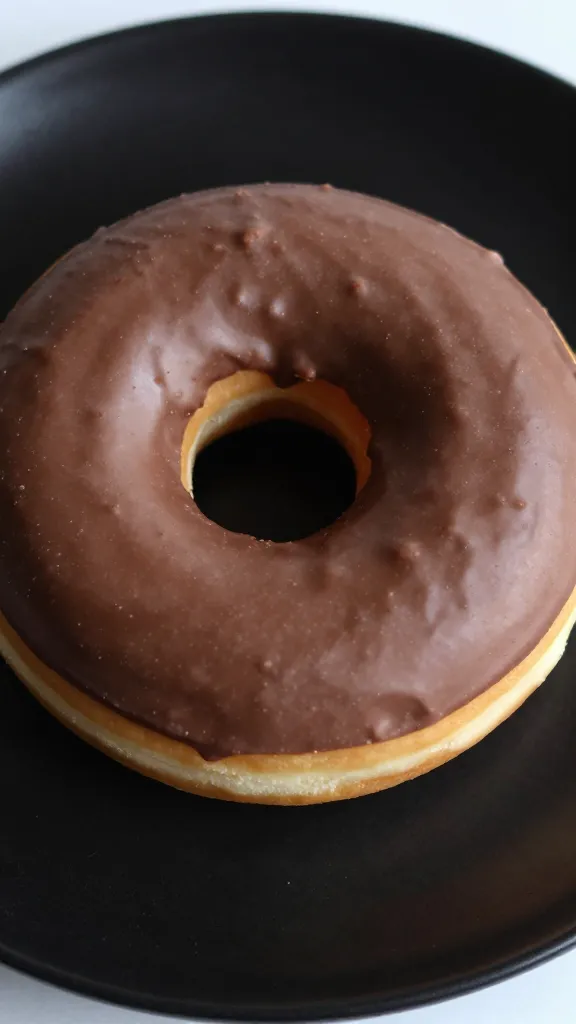
Each donut typically lands around 3–5g net carbs (depending on size and sweetener brand). You control the numbers with a few tweaks:
- Use allulose or monk fruit/allulose—count net carbs, subtracting allulose since your body doesn’t digest it.
- Stick to almond flour ratios. Too much coconut flour can taste eggy and weird.
- Go easy on toppings. Sugar-free sprinkles and nuts add carbs quick.
Always plug your exact brands into a tracker. Labels love drama.
Flavor Upgrades That Still Fit Keto
You can dress these donuts up without wrecking your macros. Pick one or two so you don’t turn them into chocolate fruitcakes.
- Mint-chocolate: Add 1/2 teaspoon peppermint extract to the batter or glaze.
- Mexican mocha: Add 1/4 teaspoon cinnamon and a pinch of cayenne. Trust me.
- Double chocolate chunk: Fold in 1/3 cup sugar-free chocolate chips.
- Hazelnut vibe: Swap 1 teaspoon vanilla for hazelnut extract; top with crushed roasted hazelnuts.
- Salted caramel: Drizzle with a keto caramel sauce and sprinkle flaky salt. Minimal drizzle = minimal carbs.
Texture Tweaks
– Want fluffier? Separate eggs, whip whites to soft peaks, and fold in at the end.
– Want fudgier? Add 2 tablespoons sour cream or Greek-style yogurt (low-carb) to the wet mix.
– Want denser, brownie-like? Add 1 more tablespoon cocoa and reduce almond milk by 1 tablespoon.
Common Mistakes (And Easy Fixes)
We’ve all been there. Let’s not repeat it.
- Dry donuts: Overbaking is the usual culprit. Check early. Use allulose for extra moisture.
- Gritty texture: Use fine almond flour, not almond meal. Whisk dry ingredients thoroughly.
- Eggy flavor: Add a touch more cocoa, vanilla, or espresso powder. Also, don’t overdo coconut flour.
- Glaze sliding off: Donuts must be cool. Like, actually cool. Warm donuts = glaze slip-n-slide.
Serving, Storing, and Freezing
Serve these with coffee, almond milk, or honestly just your hand. They taste even better a few hours after glazing when the crumb sets.
For storage:
- Room temp: 1–2 days in an airtight container.
- Fridge: 4–5 days. Add a paper towel to absorb moisture.
- Freezer: Up to 2 months, unglazed for best results. Thaw, then glaze.
FYI: A quick 8–10 seconds in the microwave makes them taste like they just left the oven. Dangerous knowledge, I know.
FAQ
Can I make these donuts dairy-free?
Yes. Use coconut oil instead of butter and almond milk as written. For the glaze, choose dairy-free sugar-free chocolate chips and skip the butter or use coconut oil. The texture stays moist, and the flavor stays rich.
What’s the best sweetener for zero aftertaste?
A monk fruit + allulose blend wins IMO. It tastes clean, browns well, and keeps things moist. Pure erythritol can cool your tongue, which some people notice more in glazes than in the donuts.
Do I need a donut pan?
It helps a lot. Without it, you can portion the batter into a mini muffin pan for “donut holes.” Reduce the bake time to 9–11 minutes. Same batter, same flavor, just a different shape.
Why did my donuts come out crumbly?
Likely too much coconut flour or overbaking. Measure coconut flour carefully—spoon and level. Also let the batter rest and don’t skip the eggs or fat. Keto baking leans on moisture.
Can I use stevia?
Stevia alone won’t give bulk, which affects texture. If you love stevia, use a blend that includes erythritol or allulose for structure. Straight liquid drops will underperform here.
How do I make them extra chocolatey?
Use Dutch-processed cocoa, add the optional espresso powder, and go for a double chocolate glaze with sugar-free chips. You can also add 1 tablespoon black cocoa for a deep chocolate kick.
Conclusion
Keto chocolate donuts don’t need asterisks or apologies. With the right flours, a solid sweetener blend, and a hands-off bake time, you’ll pull bakery-level donuts from your own oven. Make a batch on Sunday, and future-you will high-five present-you all week. And if anyone asks, yes, they’re “healthy”—emotionally, at least.