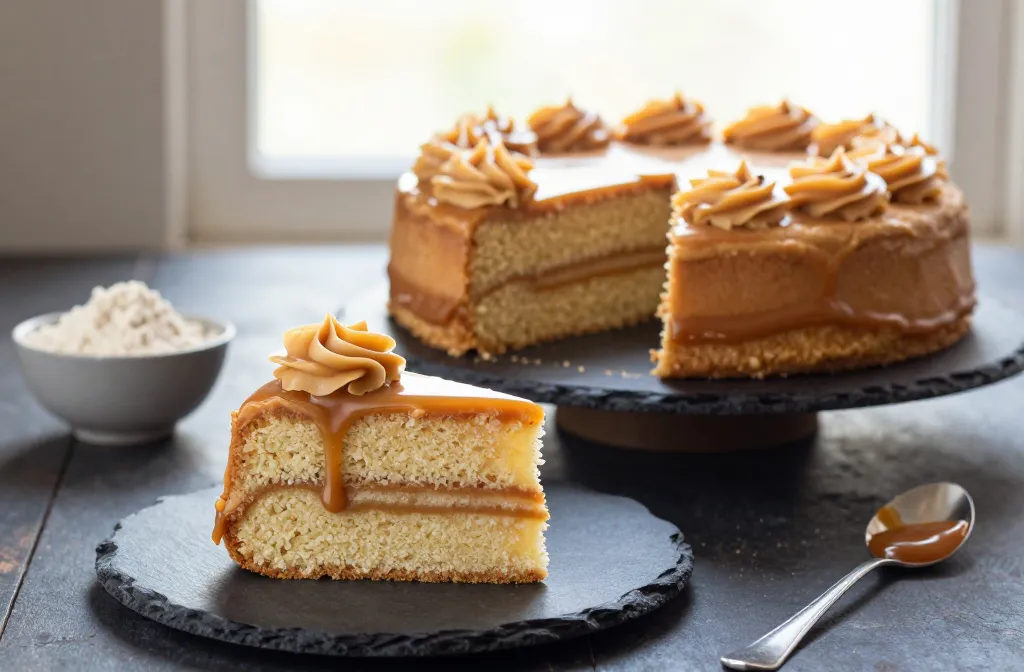
Caramel cake without the sugar crash? Yes please. Keto caramel cake brings you that deep, buttery, toffee vibe you crave—minus the carb hangover. It’s rich, gooey, and decadent, and it won’t blow up your macros. You’ll slice into it, take a bite, and immediately think, “Wait… this is keto?”
Why Keto Caramel Cake Works (and Actually Tastes Amazing)
The trick to a great keto caramel cake isn’t magic—it’s ingredients that mimic the classics. Almond flour brings tender crumb. Sweeteners like allulose and erythritol deliver the sweet without the spike. And the caramel? Butter + cream + sweetener + a pinch of salt. Boom.
You keep the vibe of a bakery cake by focusing on texture. Almond flour can feel heavy, so you lighten it with a little coconut flour and plenty of eggs. The result? A moist, buttery cake that holds up to a generous layer of silky caramel frosting. Try not to eat it warm off the spatula. Or do. I won’t judge.
The Core Ingredients You’ll Need
For the cake base
- Almond flour: Finely blanched for the best crumb.
- Coconut flour: Just a tablespoon or two to absorb extra moisture.
- Eggs: Structure and lift.
- Butter: Flavor and richness (ghee works too).
- Sweetener: Allulose for moisture or erythritol/monk fruit blend for more structure.
- Vanilla extract: Don’t skip it.
- Baking powder: Helps avoid a dense brick. Important!
- Salt: Always. It makes flavors pop.
For the keto caramel
- Butter: Unsalted to control salt levels.
- Allulose: Best choice for caramelization without crystallizing.
- Heavy cream: Warm it before adding to avoid drama.
- Vanilla + flaky salt: For that salted caramel finish.
For the frosting
- Softened cream cheese and butter: Stable and silky base.
- Keto caramel sauce: Stir in to taste.
- Powdered erythritol/monk fruit: Keeps the frosting firm.
Let’s Talk Texture: Getting the Crumb Right
Almond flour acts different than wheat flour. It browns faster, holds more moisture, and needs help to rise. You balance that with eggs and a touch of coconut flour. The golden rule: don’t overbake. You want just-set, springy, and lightly golden.
Moisture Control Tips
- Line your pan with parchment and grease well. Sticking ruins souls.
- Bake at 325°F (160°C) to prevent the edges from over-browning.
- Start checking doneness at 18–20 minutes for cupcakes, 22–28 for an 8-inch cake.
- Let it cool fully before frosting. Warm cake = frosting slip ’n slide.
The Caramel: Your Star Player
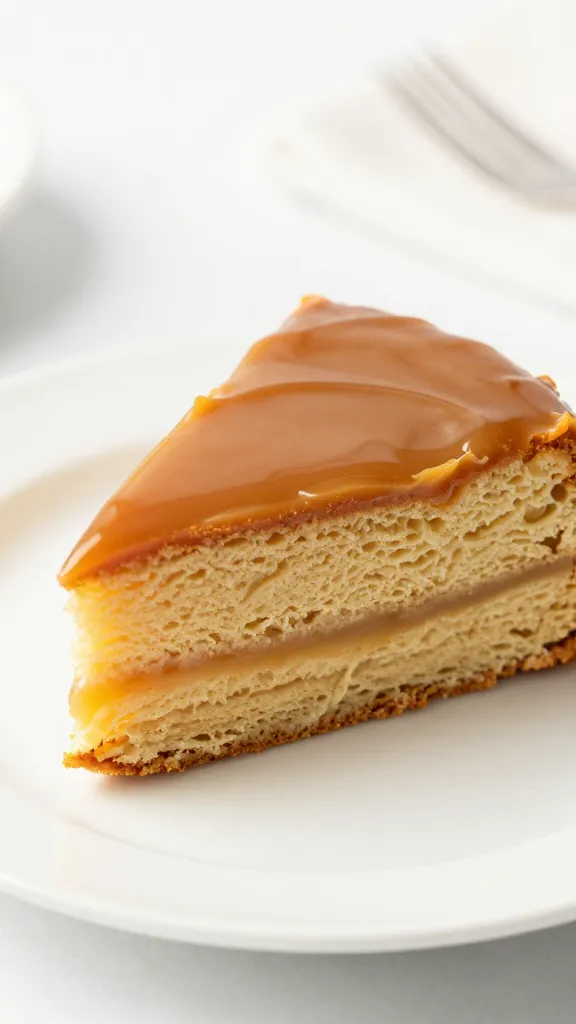
You make keto caramel basically the same way you make regular caramel, just with different sugar. Allulose wins here because it browns and stays smooth without that gritty cooling effect.
How to Make Keto Caramel (Quick Version)
- Melt butter over medium heat until it foams and turns amber. That’s your flavor base.
- Whisk in allulose and cook until it deepens in color—don’t walk away.
- Slowly pour in warm heavy cream while whisking. It will bubble like it’s mad. That’s normal.
- Simmer to thicken slightly, then remove from heat and stir in vanilla and salt.
Pro move: If you want an even deeper flavor, brown the butter first. Those toasty milk solids? Chef’s kiss.
Caramel Consistency Check
- For drip and glaze: Stop when it coats the spoon lightly.
- For frosting mix-in: Reduce a bit longer for a thicker sauce.
- It thickens as it cools, FYI. Don’t panic if it seems thin on the stove.
Assembly: Layers, Frosting, and That Drippy Finish
Here’s the fun part. You’ll stack, frost, and drizzle like a pro. Or a passionate amateur. Same energy.
Basic Build
- Bake your cake and cool completely.
- Whip cream cheese and butter until fluffy. Beat in powdered sweetener and 2–4 tablespoons of cooled caramel.
- Spread a thin crumb coat on the cake. Chill 15–20 minutes.
- Frost generously, then spoon caramel over the top and nudge it to the edges for drips.
- Finish with flaky salt or chopped pecans. Optional, but IMO elite.
Texture add-ons:
- Toasted pecans or walnuts between layers for crunch.
- A thin smear of caramel between layers for extra oomph.
- Shredded unsweetened coconut if you’re into that Samoa-cookie vibe.
Macros, Sweeteners, and Sub Swaps
Keto baking gets opinionated fast, so here’s the straight talk.
Sweetener Choices
- Allulose: Best for caramel and moist cakes. Less sweetness than sugar—use a bit more.
- Erythritol/monk fruit blends: Great for frosting and structure. Can taste “cool.”
- Stevia: Strong flavor, not ideal solo in cake or caramel. Use as a booster only.
Flour Substitutions
- Almond flour: Non-negotiable for this style. Coconut flour alone won’t work.
- Nut-free? Use sunflower seed flour 1:1 with almond flour. Add a teaspoon of lemon juice to prevent green tinge (science!).
Dairy Adjustments
- Dairy-free: Use coconut cream in the caramel and a dairy-free butter alternative. For frosting, use dairy-free cream cheese or a thick coconut-cream whip.
- Ghee: Works in the cake and caramel for a buttery taste without lactose.
Rough macros per slice (1/12 of an 8-inch cake):
- Calories: 320–380 (varies by frosting)
- Net carbs: 3–5g
- Fat: 28–32g
- Protein: 6–8g
FYI: Exact numbers depend on brands and how much caramel “accidentally” ends up as chef’s samples.
Common Pitfalls (And Easy Fixes)
You can absolutely nail this the first time. But if something goes sideways, here’s your rescue kit.
- Cake sinks: Batter sat too long, oven too hot, or too much sweetener. Mix and bake immediately and keep to 325°F.
- Gritty frosting: Use powdered sweetener only and let it sit 10 minutes to dissolve, then re-whip.
- Caramel crystallizes: That’s usually erythritol. Switch to allulose or add a tablespoon of glycerin or a splash of vodka to help (seriously).
- Cake tastes eggy: Add more vanilla, a pinch of cinnamon, and don’t overbake.
- Dry crumb: Too much coconut flour or overbaking. Measure coconut flour carefully and pull the cake when a toothpick comes out with a few moist crumbs.
FAQ
Can I make the cake ahead?
Absolutely. Bake the layers, wrap tightly, and refrigerate up to 3 days or freeze up to 2 months. Store caramel and frosting separately. Assemble the day you serve for the cleanest slices.
What if I only have erythritol?
Use it in the cake and frosting, but for the caramel, expect some crystallization. To help, add 1–2 tablespoons of allulose if you have it, or whisk in a teaspoon of xanthan gum at the end for a smoother finish. It won’t be perfect, but it’ll still taste great.
Can I make cupcakes instead of a full cake?
Yes, and they’re adorable. Bake 12–14 cupcakes for 18–22 minutes at 325°F. Pipe the caramel frosting high and spoon a tiny caramel pool on top. Party trick achieved.
Is this cake actually keto-friendly?
IMO yes, when you stick to low-carb flours and non-glycemic sweeteners. Watch your serving size if you’re strict, because calories still count. But in terms of carbs, you’ll stay comfortably within keto dessert territory.
How do I store leftovers?
Keep the cake covered in the fridge for up to 5 days. The caramel firms up when cold, so let slices sit at room temp for 15–20 minutes before serving. That soft, silky texture returns and the flavor blooms.
Can I add chocolate?
You read my mind. Drizzle sugar-free dark chocolate over the chilled cake, or fold sugar-free chocolate chips into the batter for a Twix-adjacent moment. Salted caramel + chocolate = guaranteed applause.
Final Thoughts
Keto caramel cake proves you don’t need sugar to eat like a dessert snob. You get thick, buttery layers, lush caramel frosting, and that salty-sweet drip that makes everyone stare. Bake it for a birthday, a random Tuesday, or your own personal “I nailed it” moment. And if a little extra caramel goes missing during assembly? That’s called quality control.