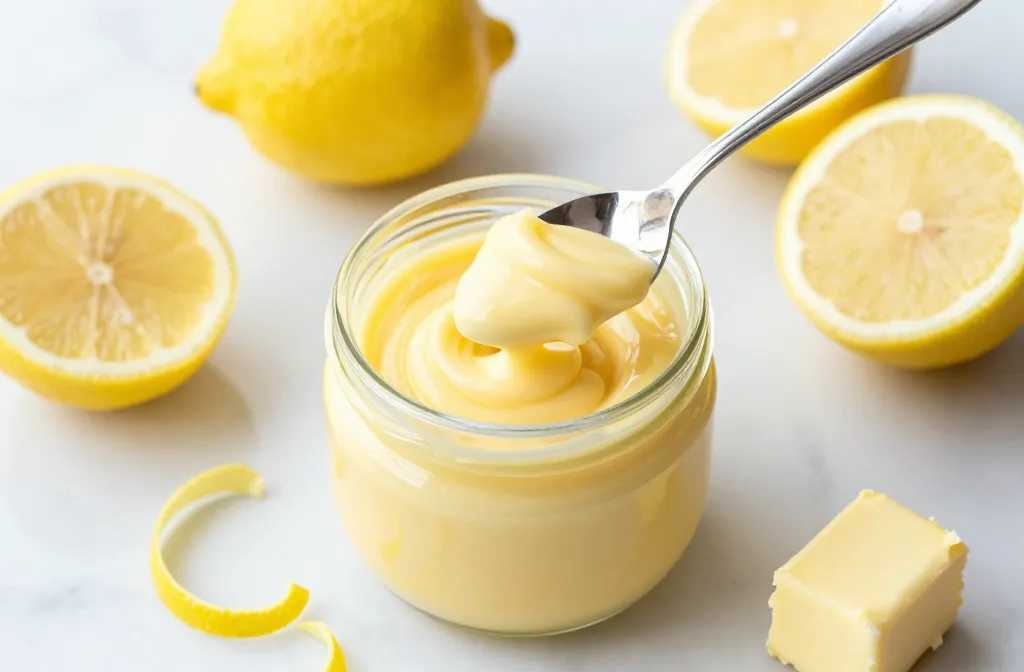
Lemon lovers, rejoice. You can have a thick, glossy, spoonable lemon curd without the sugar crash or the guilt. Keto lemon curd hits all the same bright, buttery notes you crave—only lighter on carbs and heavier on pure citrus joy. Grab a spoon (or three), because yes, we’re going in.
What Makes Keto Lemon Curd Different?
Traditional lemon curd leans on sugar for sweetness and structure. We ditch that and still get a silky, tart, utterly luxurious spread. The trick? Smart sweeteners, gentle heat, and a tiny bit of thickening strategy.
Big picture: you’ll still use egg yolks, lemon juice, and butter. You’ll swap the sugar for a low-carb sweetener and maybe add a pinch of xanthan gum or a touch of gelatin. The result tastes like sunshine and behaves like dessert magic.
Ingredients That Actually Work (and Why)
Here’s the lowdown on what to use and what to avoid. Because nothing says “sad brunch” like grainy, weepy curd.
- Fresh lemon juice and zest: Bottled juice tastes flat. Use fresh lemons and zest them before juicing to capture those fragrant oils.
- Egg yolks: They provide body and silkiness. Use 4-5 yolks for a thick, luxurious texture.
- Butter: Adds shine and richness. Unsalted keeps things balanced; add a pinch of salt separately.
- Sweeteners:
- Allulose: Best for smoothness and zero grain. It dissolves well and won’t recrystallize—my top pick, IMO.
- Erythritol blends (e.g., Swerve): Work in a pinch, but can feel a bit cool or gritty if you don’t dissolve them thoroughly.
- Monk fruit + allulose blends: Great for flavor balance and texture. Chef’s kiss.
- Thickener (optional): A tiny pinch of xanthan gum or 1/2 teaspoon bloomed gelatin helps curd hold up in tarts or layered desserts.
- Salt and vanilla: Sounds weird for lemon curd? Trust me. A pinch of salt brightens, and a whisper of vanilla rounds the sharp edges.
Sweetener Swaps, Ranked
- Gold medal: Allulose (smoothest finish, most “real” texture)
- Silver: Monk fruit + allulose (great balance)
- Bronze: Erythritol blends (can be good with careful technique)
Foolproof Method (No Scrambled Eggs, Promise)
You’ll make a quick lemon base, temper the yolks, then cook gently until thick. You’ll finish with butter for shine and silk. That’s it—no culinary school degree required.
- Whisk the yolks: In a heatproof bowl, whisk 4-5 egg yolks with your sweetener (about 1/2 to 3/4 cup, to taste) and a pinch of salt.
- Heat the lemon juice: Warm 1/2 cup fresh lemon juice with 1-2 teaspoons zest over low heat until steamy. Do not boil.
- Temper the eggs: Slowly drizzle the hot lemon juice into the yolk mixture, whisking constantly. This prevents curdled eggs—yay.
- Cook gently: Pour everything back into the saucepan. Stir over low heat with a silicone spatula, scraping the sides and bottom, until the curd coats the spatula and leaves a clean trail when you swipe your finger across it (about 170–175°F).
- Finish with butter: Off heat, whisk in 4–6 tablespoons cubed cold butter until glossy. Add 1/4 teaspoon vanilla if you like.
- Strain (optional but pro): Push through a fine mesh strainer for the smoothest texture and to remove zest bits or any accidental egg flecks.
- Thicken (optional): For a firmer set, whisk in a tiny pinch of xanthan gum (like 1/16 teaspoon) or a 1/2 teaspoon bloomed, melted gelatin while the curd is warm.
- Chill: Press plastic wrap onto the surface to prevent a skin and chill until set, 2–3 hours.
Texture Troubleshooting
- Looks thin when warm? Chill it. It thickens significantly in the fridge.
- Grainy? Your sweetener recrystallized. Switch to allulose or dissolve erythritol more thoroughly and strain.
- Scrambled vibe? Heat went too high. Next time, lower the heat and stir constantly. For this batch, blend smooth and strain—rescue mission accepted.
Macros and How to Keep Them Friendly
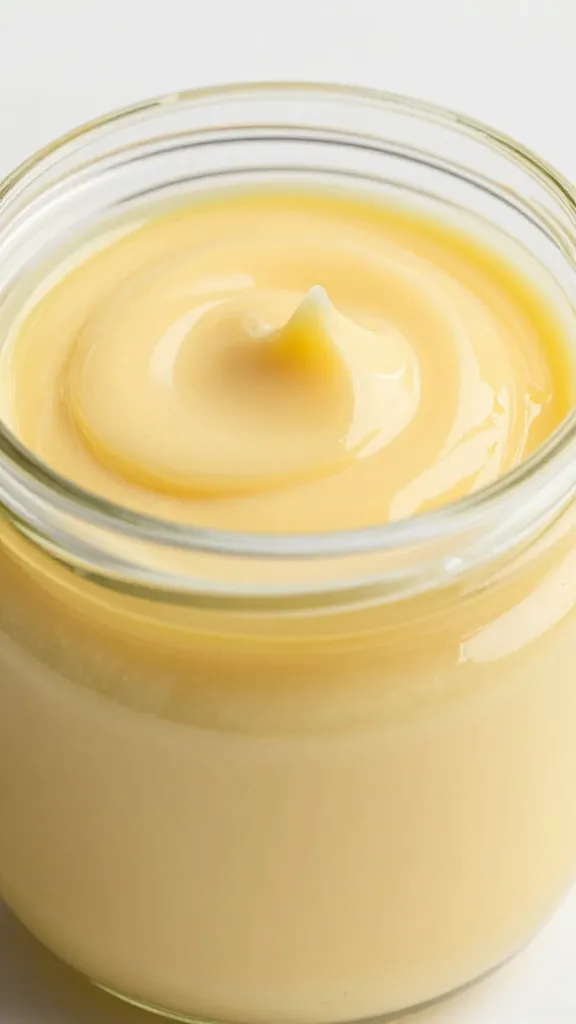
Keto curd can stay ultra-low-carb with a few tweaks. We’re not out here making lemonade; we’re making dessert that behaves.
- Carbs: Almost all net carbs come from lemon juice (about 4–5g net for 1/2 cup) plus any sweetener fillers. Using allulose or a pure blend helps.
- Fat: Egg yolks and butter supply satiating fats. That keeps you full and happy—like a tiny citrus hug.
- Protein: Not huge here, but yolks bring a bit.
Rough estimate (per 2-tablespoon serving): ~60–80 calories, <1g net carbs, 6–8g fat, ~1g protein, depending on butter amount and exact sweetener.
Use It Like a Pro
You can spoon it straight from the jar (no judgment), but it also upgrades basically everything. Dessert emergency? Curd saves the day.
- Yogurt swirl: Mix into full-fat Greek yogurt or coconut yogurt. Add toasted coconut if you’re feeling fancy.
- Pavlova or meringue nests: Pipe curd into crisp keto meringue shells. It’s a one-bite party.
- Berry parfaits: Layer with raspberries, whipped cream, and almond crumble.
- Keto tart: Fill an almond flour crust and chill until sliceable. Add a dusting of powdered “sugar” substitute for drama.
- Pancake topper: Spoon over almond or coconut flour pancakes. Breakfast becomes dessert—FYI, no regrets.
Flavor Twists
- Meyer lemon: Sweeter and more floral. Reduce sweetener slightly.
- Lemon-lime hybrid: Use half lemon, half lime for a zippy tang.
- Ginger-lemon: Grate a little fresh ginger into the warm juice, then strain.
- Lemon-vanilla bean: Split a vanilla bean and steep seeds in the lemon juice. Fancy but easy.
Technique Tips You’ll Actually Use
You don’t need a double boiler if you control the heat and keep stirring. That said, if your stove runs hot or you like training wheels, go ahead and use one.
- Don’t boil. Boiling curd equals curdled eggs. Keep it low and slow.
- Use the right tool. A flexible silicone spatula beats a whisk once it’s on the heat. It scrapes corners and prevents hotspots.
- Strain for restaurant-level smoothness. It’s a 30-second step that upgrades the whole experience.
- Adjust sweet-tart balance at the end. Taste after adding butter. Add a teaspoon of lemon juice if it tastes flat or a pinch more sweetener if it bites back too hard.
Storage, Freezing, and Food Safety
Curd looks delicate, but it stores like a champ when you treat it right.
- Fridge: Store in a clean, airtight jar up to 1 week. Press wrap on the surface to prevent a skin.
- Freezer: Freeze up to 2 months. Thaw overnight in the fridge and whisk to restore smoothness.
- Safety: Cook to at least 170°F to set proteins and keep things safe. If you’re unsure, use a thermometer. It’s not cheating; it’s smart.
FAQ
Can I make keto lemon curd without eggs?
You can mimic the texture with coconut cream, lemon juice, sweetener, and a gelling agent like gelatin or agar. It won’t taste exactly like classic curd because yolks bring flavor and richness, but it still delivers a bright, spreadable lemon dream.
Why does my curd taste bitter?
Over-zesting can pull bitter pith into the mix. Zest lightly, just the yellow part. Also, old lemons sometimes taste harsh. Fresh lemons and a pinch of vanilla soften any bitterness.
Which sweetener tastes most like sugar?
Allulose gets the closest for texture and flavor. Monk fruit-allulose blends also shine. Erythritol can leave a cooling effect; sift and dissolve thoroughly if you use it, and consider adding a few drops of pure monk fruit to round the flavor.
Can I use whole eggs instead of just yolks?
Yes, but the curd turns lighter and slightly less silky. If you use whole eggs, cook extra gently and strain. I prefer all yolks for that glossy, custardy finish, IMO.
How do I fix curd that won’t thicken?
Keep cooking gently until it hits 170–175°F. If it still looks thin after chilling, whisk in a tiny pinch of xanthan gum or melt in 1/2 teaspoon bloomed gelatin. Rescue complete.
Is butter required?
Butter gives luscious mouthfeel and shine. You can reduce it for a tarter, lighter curd, or swap in coconut oil for dairy-free. Flavor shifts a bit, but it still slaps—FYI.
Final Thoughts
Keto lemon curd hits that perfect sweet-tart balance while staying low-carb and high-flavor. Keep the heat low, choose a smooth sweetener, and don’t skip the strain. Then put it on literally everything. Or just eat it by the spoonful—your fridge, your rules.