Slurping ramen without the carb coma? Yes, please. Keto ramen takes the soul-warming bowl you love and strips it down to the essentials: rich broth, silky “noodles,” and all the toppings. You keep the comfort, lose the carb crash. Sound too good to be true? Stick with me.
What Makes Ramen “Keto,” Exactly?
Ramen usually means wheat noodles and a little sugar hiding in the broth. Keto ramen flips the script. You build a fat-forward broth, swap in low-carb noodles, and load the bowl with protein and veggies.
Here’s the cheat sheet:
- Noodles: Shirataki, spiralized zucchini, spaghetti squash, or cabbage “noodles.”
- Broth: Bone broth, miso + dashi, or a creamy tonkotsu-style base without sweeteners or starch thickeners.
- Protein: Pork belly, chicken thighs, soft-boiled eggs, tofu (if you do soy), or shrimp.
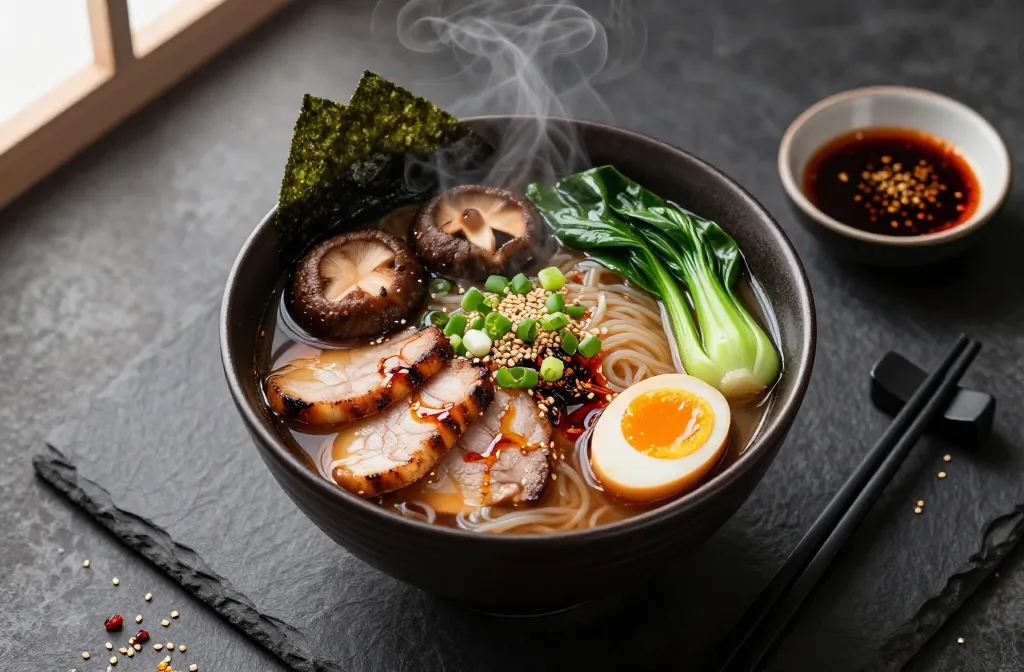
- Toppings: Scallions, nori, sesame seeds, chili oil, mushrooms, bok choy. Keep it colorful; keep it low-carb.
FYI: You don’t need to chase “zero-carb.” You just need to keep the total bowl under your daily budget. Most folks target 6–10 net carbs per serving for a very doable keto ramen.
Noodle Swaps That Actually Satisfy
You want springy, slurpable strands. You also don’t want to chew a rubber band. Let’s talk options.
Shirataki (Konjac) Noodles
They’re basically fiber water and almost no carbs. Rinse them (twice), dry-sauté for 2–3 minutes to drive off the funk, then add to broth. They stay bouncy, which your chopsticks will love.
Zucchini Noodles (Zoodles)
Fresh, light, and easy to spiralize. Don’t simmer them in the broth forever or they go mushy. Drop them in at the last minute for a quick heat-through.
Cabbage “Noodles”
Thinly slice green cabbage and sauté in a little sesame oil until tender-crisp. Cheap, flavorful, and surprisingly ramen-y when swimming in broth.
Spaghetti Squash
Roast, scrape into strands, and portion. More texture than zoodles, slightly sweet, and still low-carb. Not zero, but worth it, IMO.
Broth: The Heart and the Hype
A great broth carries the whole bowl. You don’t need a 12-hour stockpot day (unless you want one). You do need layered umami and fat.
Speedy Keto Shoyu-Style Broth
– Base: 4 cups chicken or pork bone broth
– Seasoning: 2–3 tbsp tamari or coconut aminos (watch carbs on aminos), 1 tbsp rice vinegar, 1 tsp fish sauce
– Aromatics: Ginger coins, smashed garlic, scallion greens
– Fat: 1–2 tbsp sesame oil or a knob of butter/ghee
Simmer 15–20 minutes. Strain. Adjust salt. Done. Deep flavor, low drama.
Creamy “Tonkotsu-ish” Hack
Whisk 1–2 tbsp white miso into hot bone broth with a splash of heavy cream or coconut cream. Add a drizzle of chili oil. You get luscious body without cornstarch or flour thickeners. Is it authentic? Not exactly. Is it delicious? Absolutely.
Umami Boosters That Matter
– Dried mushrooms or mushroom powder
– Kombu/dashi (watch labels for sugar)
– Anchovy paste or fish sauce (a little goes a long way)
– Toasted sesame oil for finishing
These stack flavor so your bowl tastes restaurant-level, not “diet soup.”
Protein and Toppings: Where the Fun Lives
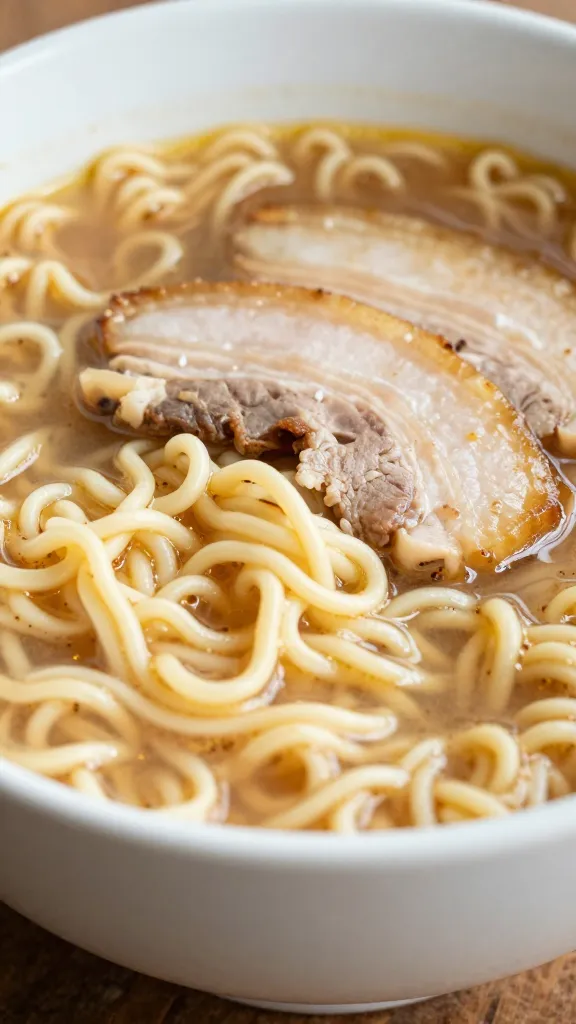
Treat ramen like a choose-your-own-adventure. High-fat proteins keep you full, and colorful toppings make it feel special.
Protein Picks
– Crispy pork belly: Pan-sear slices until golden. Chewy, rich, perfect.
– Soy sauce chicken thighs: Quick sear, then simmer in the broth while it reduces.
– Shrimp: Poach in the broth for 2 minutes; don’t overcook.
– Soft-boiled eggs: 6.5 minutes, ice bath, marinate in tamari overnight if you want extra wow.
Low-Carb Toppings That Don’t Taste Like Concession
– Scallions, cilantro, and nori strips
– Sautéed mushrooms, bok choy, bean sprouts (small handful), spinach
– Chili crisp (watch carbs), togarashi, sesame seeds
– Lime wedge for brightness (yes, it works)
Pro tip: Add a pat of butter or a spoon of chili oil on top to finish. It melts into the broth and makes everything taste like a cozy secret.
Two Easy Keto Ramen Blueprints
You don’t need exact recipes to nail this. Use these blueprints as plug-and-play guides.
Lean and Bright
– Broth: Shoyu-style with ginger, garlic, and fish sauce
– Noodles: Shirataki, dry-sautéed
– Protein: Poached chicken thigh, shredded
– Toppings: Scallions, nori, sesame seeds, lime
– Finish: Chili oil drizzle
Result: Clean, savory, slurpable. About 5–7 net carbs depending on portions.
Rich and Cozy
– Broth: Miso + bone broth with a splash of heavy cream
– Noodles: Cabbage ribbons
– Protein: Crispy pork belly and a jammy egg
– Toppings: Sautéed mushrooms, bok choy, togarashi
– Finish: Butter pat or toasted sesame oil
Result: Deeply satisfying, keto comfort in a bowl. Around 7–10 net carbs per serving.
Common Pitfalls (And How to Dodge Them)
– Broth too thin? Reduce it longer or whisk in a bit more miso or butter. Don’t add starch.
– Soggy veggies? Add greens at the very end. They just need a quick wilt.
– Shirataki “aroma?” Rinse well, then dry-sauté. It disappears, promise.
– Hidden sugars? Check labels on chili crisp, coconut aminos, and store-bought broth.
– Salt bomb? Taste as you go. Add acid (vinegar/lime) to balance before adding more salt.
Meal Prep Without the Sad Desk Lunch
Ramen and meal prep can be friends if you keep things separate. Store broth, noodles, and toppings apart, then assemble when you reheat.
Make-Ahead Strategy
– Batch-cook 2–3 quarts of broth on Sunday.
– Portion proteins and soft-boiled eggs.
– Keep noodles and greens separate to avoid mush.
– Reheat broth to a simmer, add proteins to warm, drop in noodles/greens for 1 minute, top and go.
You’ll have a legit bowl in under five minutes. Your future self will send a thank-you text.
FAQ
Are shirataki noodles safe and actually filling?
Yes. They’re made from konjac yam fiber (glucomannan), which is safe for most people and super low in calories and carbs. They don’t “fill you up” like wheat noodles, but the fat and protein in your broth will. That combo keeps you satisfied way longer.
Can I eat miso on keto?
Usually, yes. Miso adds a tiny amount of carbs, but a tablespoon or two in a full pot spreads out across servings. Check labels because brands vary. If you’re ultra strict, use less miso and lean on mushroom powder and fish sauce for umami.
What about soy sauce versus coconut aminos?
Soy sauce (or tamari for gluten-free) has fewer carbs than coconut aminos. Coconut aminos taste sweeter and carry more carbs per tablespoon. If you use aminos, measure them. If you want lower carbs, go tamari and add a pinch of sweetener if you miss the roundness.
Can I make it dairy-free?
Totally. Use bone broth or dashi, skip the cream, and lean on miso, sesame oil, and animal fat or coconut oil for richness. You’ll still get a silky, satisfying bowl.
How do I keep ramen under 10 net carbs?
– Choose shirataki or cabbage for noodles
– Watch portions on carrots, onions, and coconut aminos
– Skip sugary chili sauces
– Load up on low-carb greens and mushrooms
– Keep an eye on serving size (the sneaky carb multiplier)
Is restaurant ramen ever keto-friendly?
Rarely. Wheat noodles, sugary tare, and starch thickeners add up fast. If you’re stuck out, ask for extra broth, no noodles, and extra pork/egg. Not perfect, but better than a full-carb bowl. FYI, sauces can still sneak sugar.
Conclusion
Keto ramen isn’t a compromise; it’s a remix. Build a broth with bold umami, drop in smart noodle swaps, and crown it with rich protein and crunchy-fresh toppings. You’ll get the slurp factor you crave without blowing your carb budget. And yes, you can absolutely eat this every week—your taste buds won’t complain, and your macros won’t either, IMO.