You turned your head for one minute and your pan now looks like it survived re-entry from space. Been there. The good news? You can fix that scorched mess without crying, scrubbing for hours, or sacrificing your favorite skillet to the kitchen gods. Let’s rescue that pan and your mood, fast.
First, identify your pan type
Before you throw baking soda at everything like culinary confetti, check what you’re working with. Different pans need different approaches.
- Stainless steel: Tough. You can use heat, abrasives, and a little elbow grease.
- Cast iron: Durable, but protect the seasoning. Skip harsh detergents and long soaks.
- Nonstick: Gentle only. No steel wool or high heat. Treat it like a fragile ego.
- Enamel/ceramic: Strong but can stain. Avoid metal scrapers that can chip.
- Copper/aluminum: Responds well to mild acids, but avoid bleach and harsh alkalis.
The quick fix: Boil, deglaze, wipe
When the pan’s still warm (but safe to handle), try this first. It handles fresh burns like a champ.
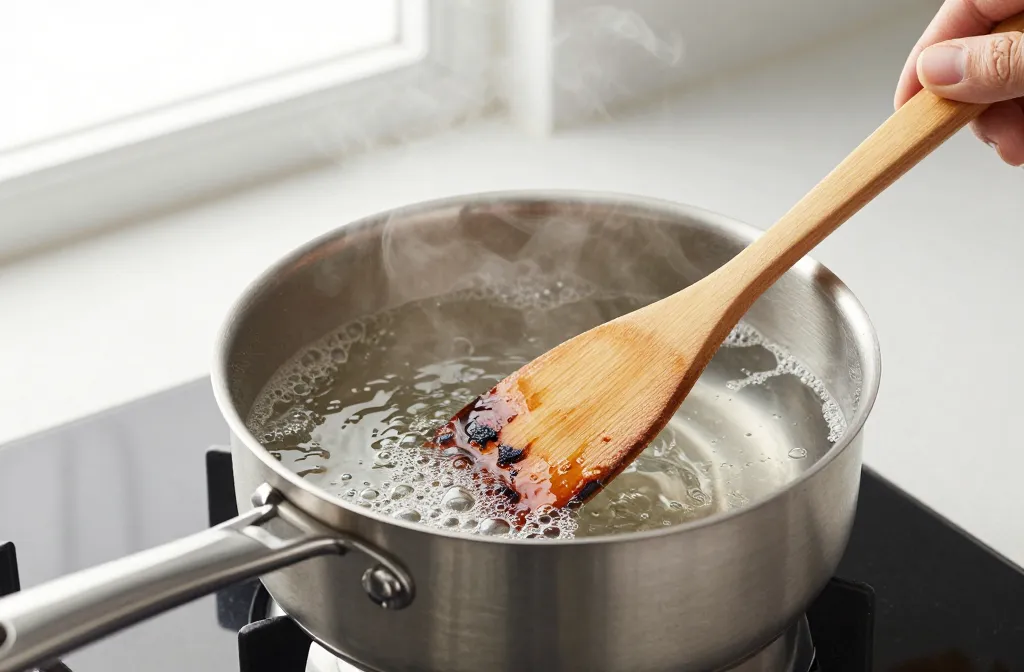
- Add enough water to cover the burnt area. Toss in a few drops of dish soap or a splash of vinegar.
- Bring to a simmer for 5–10 minutes. Scrape gently with a wooden spatula as bits loosen.
- Pour off the gunk, then wipe with a sponge. Repeat if needed.
Why it works: Heat loosens sugars and proteins, water rehydrates carbonized bits, and gentle scraping lifts them without scratching.
Pro move: Baking soda simmer (stainless or enamel)
For stubborn patches, refill with water, add 1–2 tablespoons of baking soda, and simmer another 10 minutes. The alkaline solution helps break down burnt residue. Don’t use this on aluminum or uncoated copper too often, as it can dull the surface.
The overnight method: Let chemistry win while you sleep
No time to babysit a pan? Cool. Let it soak.
- For stainless and enamel: Fill with hot water, add a squirt of dish soap and 2 tablespoons baking soda. Let it sit overnight. Scrub with a nylon brush in the morning.
- For nonstick: Warm water + a little dish soap. No baking soda paste, no abrasives. Soft sponge only.
- For cast iron: Avoid long soaks. See the cast iron section below, IMO it deserves special attention.
The paste that punches above its weight
Sometimes you need a thicker cleaner to cling to the mess.
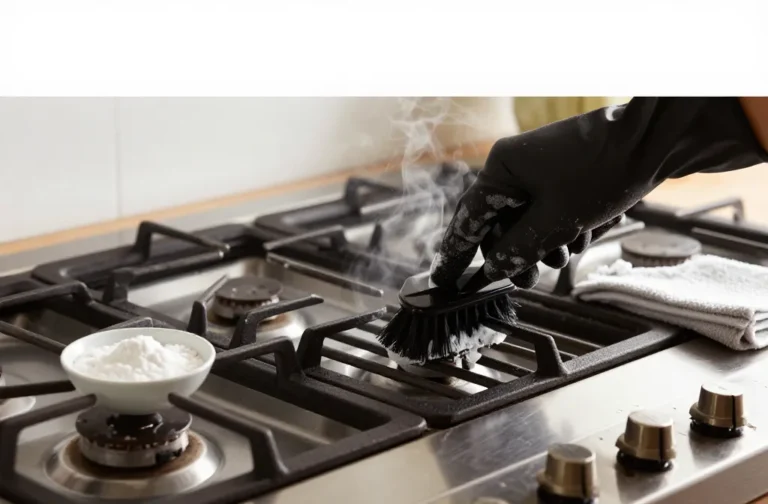
- Make a paste of baking soda and a little water. Spread it over the burnt area (inside and outside bottom if needed).
- Let it sit 15–30 minutes.
- Scrub with a nylon scrubber or brush. Rinse and repeat on the worst spots.
FYI: Add a few drops of hydrogen peroxide to the paste for stainless steel only when things look dire. It lifts stains like magic, but rinse thoroughly.
When to use Bar Keepers Friend (BKF)
Use BKF on stainless or enamel for discoloration and scorch marks. Wet the surface, sprinkle lightly, make a soft paste, and scrub gently. Rinse like you mean it. Avoid on nonstick and cast iron.
Cast iron, handled
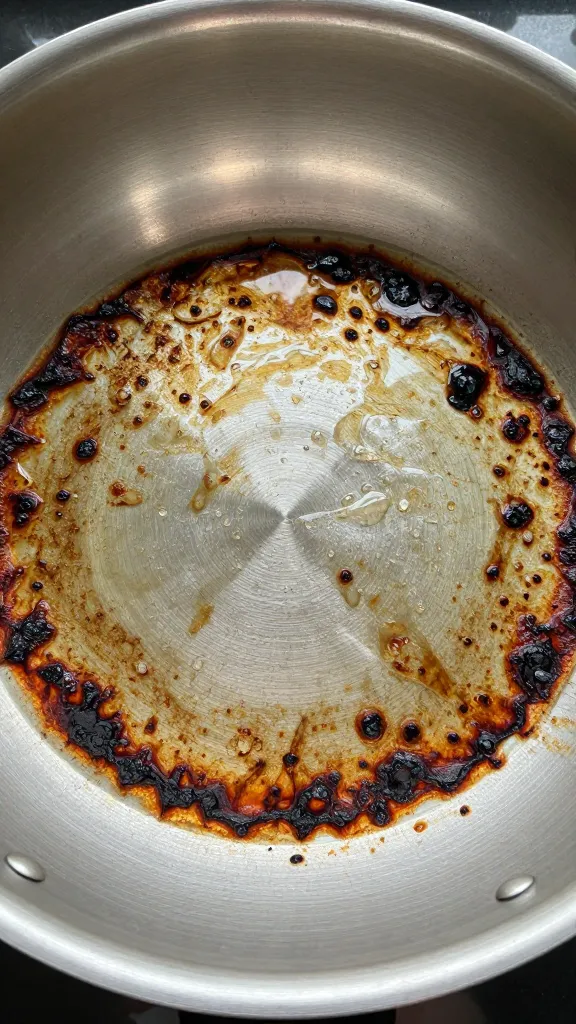
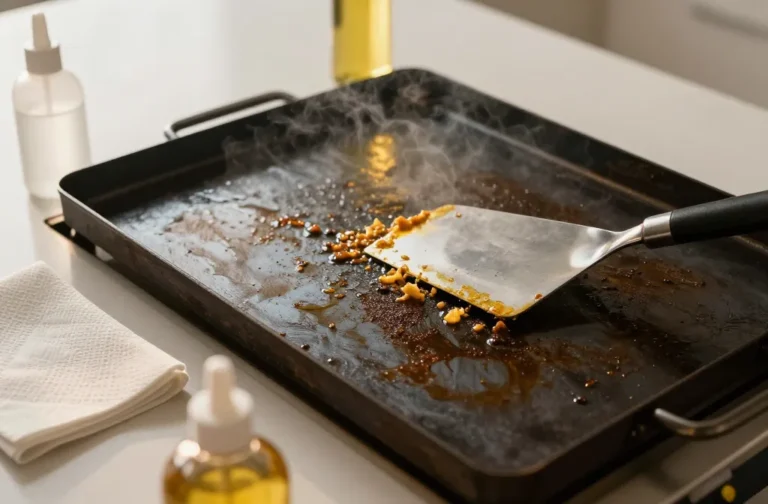
Burnt-on food on cast iron happens, especially if you forget the oil. Don’t panic, and definitely don’t soak it for hours.
- Scrape with a plastic or wooden scraper while the pan is still warm.
- Add a little water, bring to a quick simmer, and scrape again. Dump the water.
- Sprinkle coarse salt and scrub with a paper towel or cloth. The salt acts like a gentle abrasive.
- Rinse, dry thoroughly over low heat, then rub a thin layer of oil to re-season.
Do not use soap unless you must. If you do, keep it minimal and re-oil after. Your seasoning will forgive you… eventually.
Nonstick pans: Handle with velvet gloves
Nonstick coatings scratch if you look at them wrong. Keep it gentle.
- Skip metal utensils, scouring pads, and abrasive powders.
- Soak with warm soapy water for 30–60 minutes.
- Use a soft sponge or nylon brush only.
- If residue remains, simmer water with a tablespoon of vinegar for 5 minutes, then wipe clean.
Heads up: If the coating peels or scratches deeply, retire the pan. No amount of scrubbing revives a damaged nonstick, IMO.
Bottoms up: Cleaning the outside of the pan
The underside tells the story of every burner you’ve ever cranked too high. Make it presentable again.
- Stainless steel: Baking soda paste or BKF. Scrub in circles with a damp sponge.
- Enamel: Use BKF lightly or baking soda paste. No metal scrapers.
- Cast iron: If it’s raw cast iron, leave the outside seasoned—clean with salt and a wipe of oil.
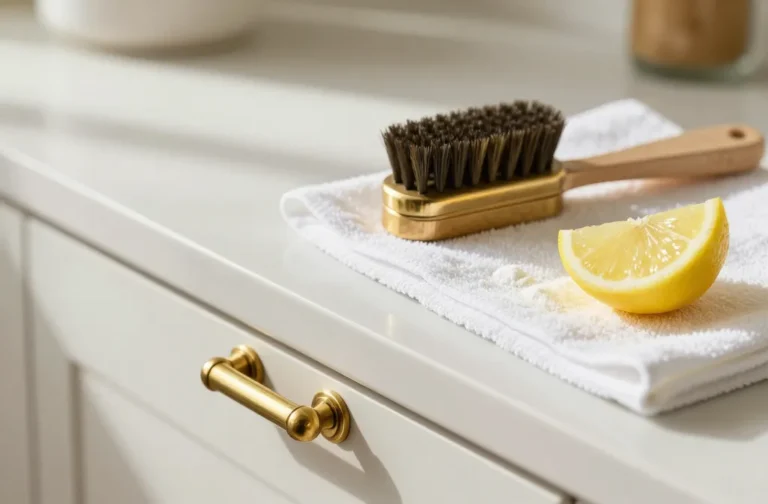
- Copper: Lemon + salt works wonders. Rub, rinse, and buff dry.
Stubborn scorch on stainless bottoms
Try a 1:1 mix of vinegar and water soak for 10 minutes, then follow with a baking soda paste scrub. Acid lifts mineral stains; base handles burnt fats. Teamwork.
How to prevent the next pan disaster
Let’s avoid future drama, shall we?
- Preheat with a little oil, not dry, especially for stainless.
- Use medium heat most of the time. High heat burns, not browns.
- Don’t walk away from sugar, milk, or tomato sauces. They scorch fast.
- Deglaze after cooking: splash water, wine, or stock while the pan’s hot to lift fond.
- For nonstick, stick to silicone or wood and keep temps moderate.
FAQ
Can I use steel wool on a burnt pan?
On stainless steel only, sure, but go easy to avoid scratches. Never use it on nonstick, enamel, or copper. For cast iron, a chainmail scrubber works better without stripping seasoning too aggressively.
Is baking soda safe for all pans?
It’s safe for most, but it can dull aluminum and uncoated copper over time. Use gently and rinse well. On nonstick, avoid abrasive baking soda pastes—stick to soapy water and soft sponges.
What if the burn smells terrible even after cleaning?
Boil a mix of water and vinegar (1:1) for 5–10 minutes in the pan, then rinse and air out. For cast iron, re-season after cleaning to seal in any stubborn odors. Odors usually cling to oils, so remove residue thoroughly and dry fully.
My cast iron lost its seasoning—did I ruin it?
Not at all. Scrub it clean, dry over heat, then apply a thin coat of oil and bake at 400°F (205°C) for an hour. Let it cool in the oven. Cast iron is resilient; it just needs a little spa day.
Are oven cleaners safe for burnt pans?
I don’t recommend them for cookware that touches food. They’re caustic and can damage finishes. Stick to vinegar, baking soda, BKF, and some patience—you’ll get there without chemical warfare.
How do I clean a burnt nonstick pan without scratching it?
Soak with hot, soapy water, then wipe with a soft sponge. If that fails, simmer water with a tablespoon of vinegar for a few minutes, cool slightly, and wipe again. If it still sticks, the coating might be at the end of its life, FYI.
Wrap-up: You’ve got this
Burnt pans look intimidating, but they’re not immortal enemies. A little heat, smart chemistry, and the right tools beat even the worst char. Save the steel wool for stainless, pamper the nonstick, and give cast iron a light re-season when needed. Next time you scorch something, you’ll fix it faster than your smoke alarm can judge you.