Suede looks luxe until life happens: rain spots, sidewalk grime, mysterious coffee freckles. The good news? You can fix most of it without a meltdown or a dry-cleaning bill. Grab a brush, a few pantry stand-ins, and a little patience. Let’s make your suede look like you didn’t accidentally wear it to a mud-wrestling match.
Know Your Suede (Just for a Minute)
Suede isn’t leather’s fancy cousin—it’s literally leather’s fuzzy side. That soft nap gives it the vibe we love, but it also traps dirt like a lint roller on a cat. So we clean it differently than smooth leather.
Main rule: keep water to a minimum. Water flattens the nap and causes spots. You’ll rely on brushing, gentle friction, and special erasers. Sound weird? It works.
Gear Up: The Mini Suede Kit
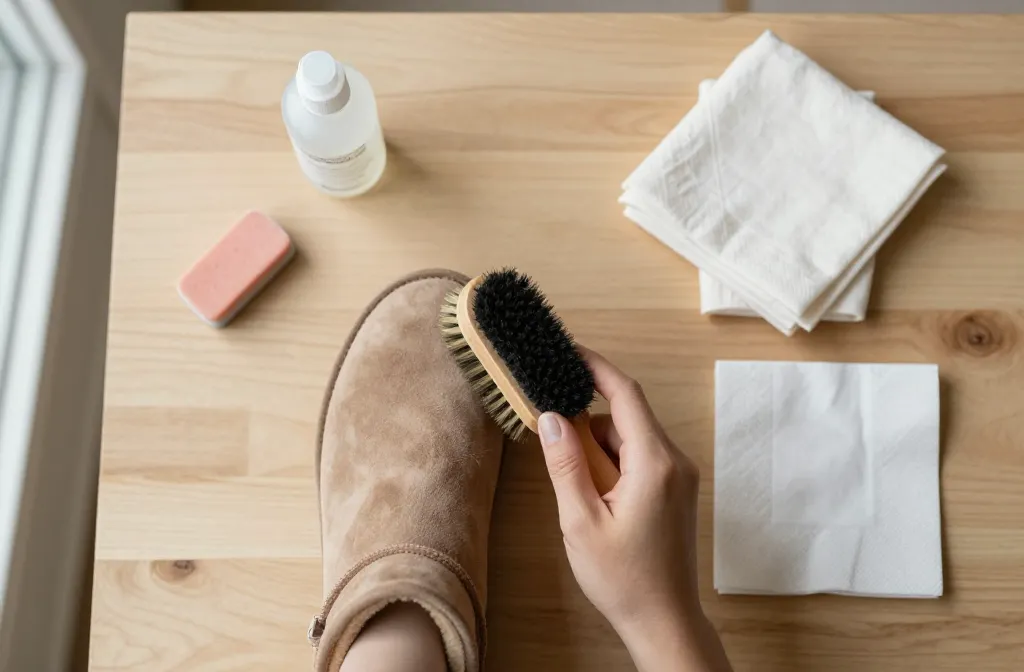
You don’t need a closet full of products. A small, affordable kit handles most situations.
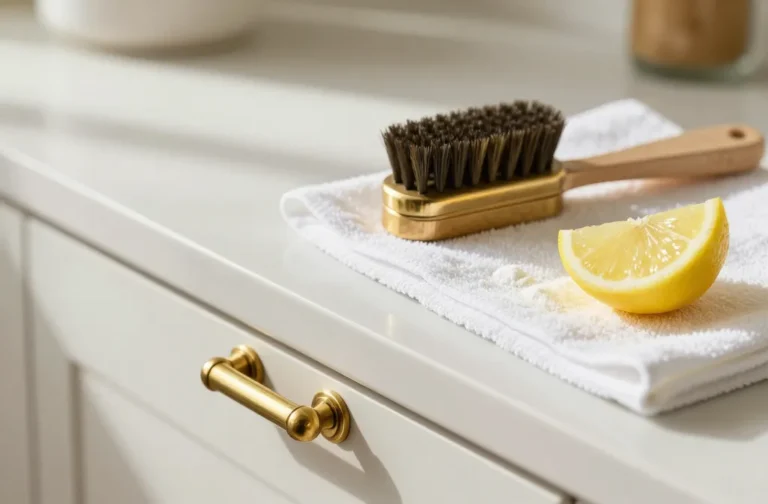
- Suede brush: Usually has rubber or brass bristles. Use it to lift the nap and remove surface dirt.
- Suede eraser/cleaning block: Looks like a pencil eraser. Rubs out scuffs and stains.
- Clean, dry cloth: For blotting and finishing.
- White vinegar or rubbing alcohol (isopropyl): For tough stains. They evaporate fast, so they’re suede-safe in small amounts.
- Paper towels/newspaper: For stuffing shoes or bags so they keep shape while you work.
- Waterproofing spray made for suede: Use at the end. Trust me on this.
Optional but Handy
- Soft toothbrush (for tight seams)
- Cornstarch or talcum powder (for oil stains)
- Microfiber towel (gentle finishing)
First Aid for Fresh Messes
Spill something? Don’t panic; act fast. You’ll prevent stains from settling, which keeps your future self from cursing your present self.
- Blot, don’t rub. Press a dry cloth onto the spill. Rubbing grinds the stain deeper—big nope.
- Let it dry. Seems counterintuitive, but wet suede cleans better when fully dry.
- Brush gently. Once dry, use your suede brush to restore the nap and remove surface residue.
Water Spots (Because Rain Happens)
Weird trick: water evens out water. Lightly mist the entire panel (not soak), then brush as it dries. This blends the spot line so you don’t get that dreaded tide mark. FYI, go slow—light mist, then brush in one direction, then back the other way.
Everyday Cleaning Routine
Think of this as your suede spa day. Quick, easy, and oddly satisfying.
- Dry brush first. Short, gentle strokes to lift dust and revive the nap.
- Hit scuffs with the eraser. Small circles. Moderate pressure. You’ll see the mark lighten as the eraser crumbs form—brush those away.
- Re-brush to finish. Brush in one consistent direction for that smooth, uniform look.
Pro Tips for Brushing
- Go with the grain first, then against it to lift flattened fibers.
- Use firmer strokes for heavy scuffs, but don’t go banshee-mode—you can burnish the nap if you overdo it.
- For seams and edges, use a toothbrush in tiny motions.
Stain-Specific Strategies
Let’s get surgical. Different stains, different moves.
Mud and Dirt
- Let it dry completely. For real. Damp mud just smears.
- Break it up with your fingers, then brush away the crumbs.
- Finish with the eraser if a shadow remains.
Oil and Grease
- Blot fresh oil with a dry cloth.
- Cover the spot with cornstarch or talc. Leave overnight to draw out the oil.
- Brush off and repeat if necessary. Then use the eraser for any lingering mark.
Salt Stains (Winter’s petty revenge)
- Mix equal parts white vinegar and water. Lightly dampen a cloth—don’t soak.
- Dab the stain gently, then blot dry.
- Let it dry, then brush the nap back up.
Coffee, Wine, and Mystery Spots
- Once dry, use a suede eraser first.
- If it sticks around, dab with a cloth lightly moistened with rubbing alcohol. Work from the outside in.
- Let dry, then brush. Repeat once if needed. If it laughs at you, consider a pro cleaner.
Ink (aka the boss fight)
- Try an eraser first—sometimes it works on fresh marks.
- Very lightly dab with rubbing alcohol on a cotton swab. Don’t flood it.
- If it smears or spreads, stop. Ink can set fast—IMO, this is pro territory.
Dealing with Matting and Shine
Over time, suede can get shiny or matted where it rubs—like toe boxes, elbows, or bag corners. You can revive it with a little texture coaching.
- Brush against the grain with a suede brush to lift fiber.
- Use the eraser to rough up shiny patches gently, then re-brush.
- If you have a crepe/rubber brush, it’s gentler and great for finishing.
When to Use Steam (Carefully)
Tiny bit of steam can relax fibers. Hold the item briefly over a kettle’s steam at a safe distance—no drips. Then brush. Don’t steam colored suede that bleeds; test first.
Color Care and Prevention
Cleaning is cool. Not needing to clean every other day? Cooler.
- Waterproofing spray: After cleaning and fully drying, apply a suede-specific protector. Light coats, 6–8 inches away, and let it cure. This repels water and grime like a charm.
- Rotate wear: Don’t grind the same pair daily. Let fibers rest.
- Store smart: Keep out of direct sun and away from heat. Stuff shoes or bags to hold shape.
- Color transfer alert: Dark denim loves to dye-transfer. Spray protection helps, but watch those cuffs.
What Not to Do (Learn from our collective mistakes)
- Don’t wash suede in water. Ever.
- Don’t use dish soap or harsh cleaners—they leave residue.
- Don’t blow-dry on high heat. You’ll bake the fibers.
- Don’t scrub like you’re cleaning a grill. Gentle wins.
Quick Step-by-Step: Full Clean Routine
When your suede looks tired and vaguely dusty, do this:
- Insert shoe trees or stuff with paper so it holds shape.
- Dry brush thoroughly to remove dust and lift the nap.
- Spot-treat stains: eraser first, then alcohol or vinegar solution as needed.
- Let everything dry completely.
- Re-brush to smooth and align the nap.
- Apply a light coat of suede protector. Let it cure per instructions.
FAQ
Can I use water to clean suede?
Use water sparingly, and only as a light mist to even out water stains. Straight-up soaking? Hard no. Water flattens the nap and leaves marks. If you must use a damp solution, keep it minimal and finish by brushing once dry.
What’s the difference between a suede brush and a normal brush?
A suede brush has rubber, crepe, or fine brass bristles that lift the nap without shredding it. A normal brush can be too stiff or too smooth, which either damages fibers or does nothing. Get a suede brush—cheap, tiny, lifesaving.
Is white vinegar safe on all suede colors?
Usu ally, yes, but always spot-test in a hidden area first. Some dyes get dramatic, and vinegar can shift tone slightly. Dab, don’t soak, and let it dry fully before deciding if you need a second pass.
How often should I waterproof suede?
If you wear the item weekly, reapply every 4–6 weeks, IMO. For occasional wear, every few months works. After any deep clean, reapply because you likely removed some of the previous protection.
My suede feels stiff after cleaning—did I ruin it?
Not necessarily. The fibers probably matted during drying. Brush firmly in multiple directions to lift them. If stiffness hangs on, a whisper of steam followed by brushing usually revives the texture.
When should I take suede to a professional?
If you’ve got ink, dye transfer, huge oil spills, or expensive pieces you don’t want to risk, go pro. Also, if your own attempts just aren’t moving the needle, stop before you overwork the nap. A good cleaner can pull off miracles we can’t at home.
Conclusion
Suede isn’t fragile—it’s just a little high-maintenance, like a houseplant that screams when it’s thirsty. With the right brush, a trusty eraser, and a light hand, you’ll erase scuffs, lift stains, and keep that velvety texture on point. Protect it after you clean, rotate your wear, and you’ll enjoy suede that looks effortlessly fresh. FYI, the real secret is consistency—short, gentle sessions beat heroic rescues every time.