You sit down to binge your show, and your sofa smells like last week’s curry night. Yikes. The good news? You don’t need a pricey cleaner or a full-on rental machine. You can handle most sofa messes with stuff you already own. Let’s make your couch look (and smell) way better without turning your living room into a crime scene.
Know Your Sofa: Fabric First, Hero
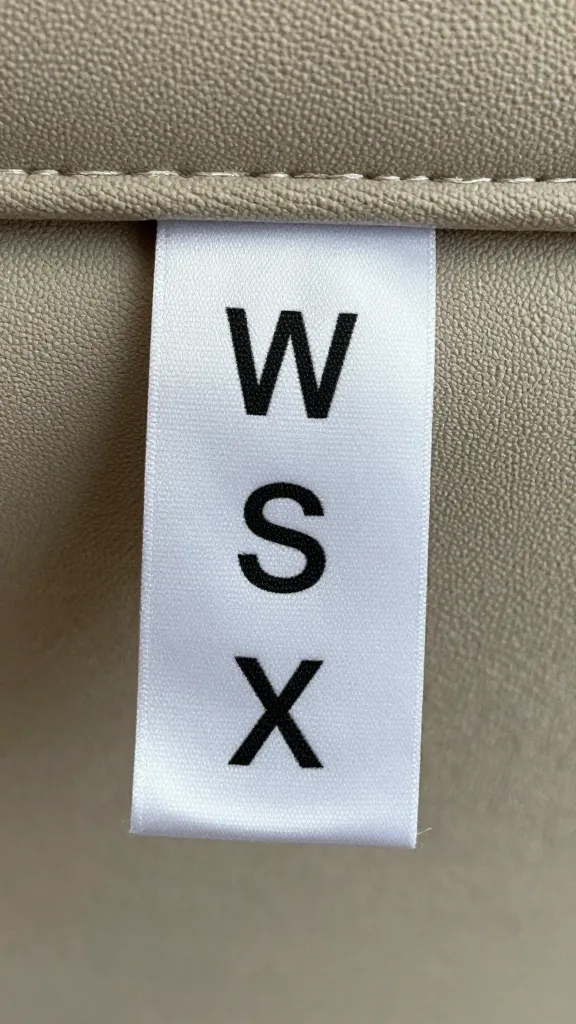
Before you spray anything, check the care tag. It hides on the underside or along a cushion seam. That little code matters more than you think.
- W: Water-based cleaners are safe.
- S: Use solvent-based cleaners only. No water.
- W/S: Water or solvent both work. Lucky you.
- X: Vacuum only. Call a pro for stains.
No tag? Do a spot test on the back or bottom. Dab your cleaner, wait 10 minutes, and check for color transfer or weird texture. If it fades or feels crunchy, abort mission.
Quick Refresh: The 10-Minute De-Crumb
Sometimes you don’t need a full spa day. You just need your sofa not to be a trail mix graveyard.
- Declutter: Remove pillows, throw blankets, and whatever snack relics you find.
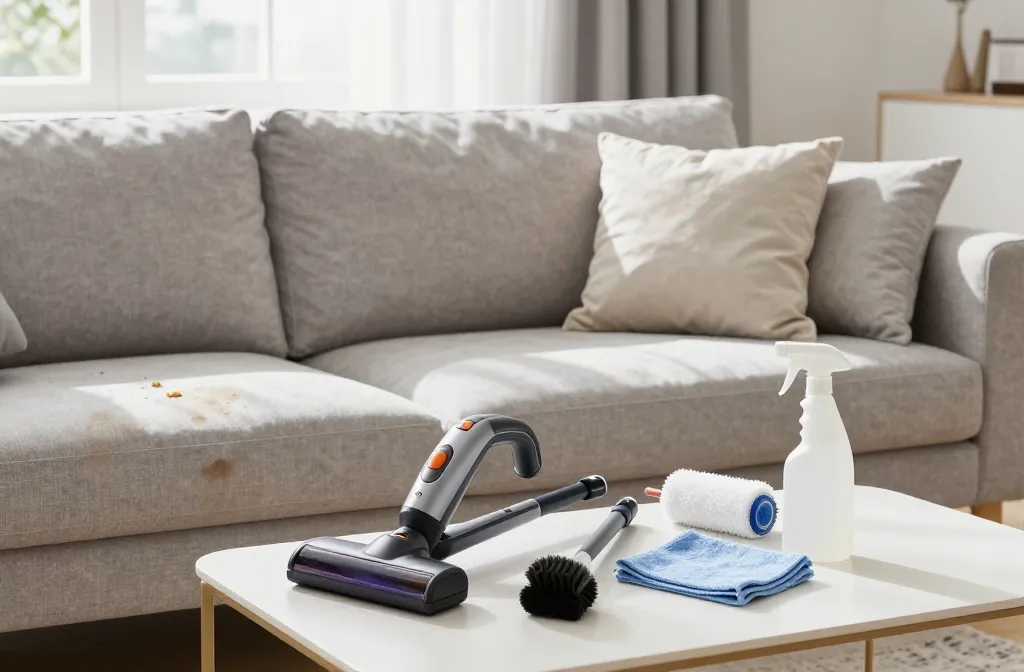
- Vacuum: Use the upholstery and crevice tools. Hit seams, under cushions, and the back.
- Lint roll: Pet hair clings like it pays rent. A rubber glove slightly damp also works.
- Fluff: Give cushions a few firm slaps to redistribute filling and look less… defeated.
FYI: A weekly quick clean keeps odors and stains from settling like stubborn roommates.
Deodorize Without Drenching
If your sofa smells tired, fight the funk before you fight stains.
- Baking soda: Sprinkle a light layer on fabric. Let it sit 20–30 minutes (or overnight for strong smells), then vacuum thoroughly.
- Vodka or rubbing alcohol (for W/S and S only): Light mist from a spray bottle. It evaporates fast and neutralizes odors. Don’t soak it.
- Sun + air: If cushions have removable covers, air them out near indirect sunlight. A couple of hours helps. Avoid direct harsh sun that may fade color.
IMO, baking soda is the MVP. Just don’t dump half the box; you’ll vacuum for eternity.
Spot Cleaning: Stains Don’t Wait
React fast. Blot, don’t scrub. Scrubbing turns a spot into modern art you didn’t ask for.
Water-Based Fabrics (W and W/S)
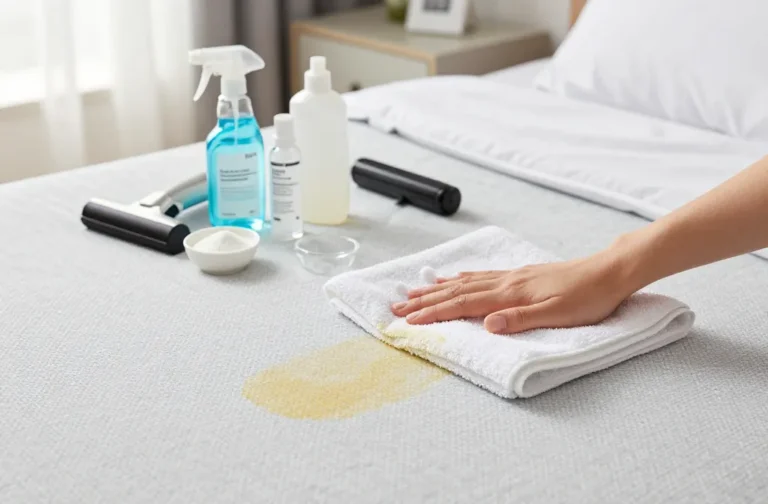
- Basic mix: 1 cup warm water + a few drops of mild dish soap. Optional: 1 tsp white vinegar for odors.
- Method: Blot stain with the solution using a clean cloth. Work from the outside in. Rinse cloth with clean water and blot again to remove residue. Press a dry towel to absorb extra moisture.
Solvent-Only Fabrics (S)
- Use: A dry-cleaning solvent per label instructions. Ventilate the room. Spot test first, seriously.
- Method: Apply to a cloth, then blot the stain. Never pour directly on the fabric.
Common Stains: Quick Wins
- Grease: Sprinkle cornstarch; let sit 15–20 minutes; vacuum; then treat with dish soap solution (W/W-S) or solvent (S).
- Wine/juice: Blot immediately. Use the dish soap + vinegar solution. Repeat until the color lifts.
- Coffee/tea: Blot, then use dish soap solution. Add a tiny bit of hydrogen peroxide for light fabrics (spot test!).
- Ink: Dab with isopropyl alcohol on a cotton swab. Slow and steady. Stop if the dye transfers.
- Pet accidents: Blot, then use an enzyme cleaner approved for upholstery. These break down the odor-causing proteins.
Deep Clean Day: The Full Glow-Up
When your couch looks dingy overall, go beyond spots.
- Vacuum like you mean it: Top, sides, seams, under cushions, and the frame base.
- Pre-treat stains: Handle them before a full wash to avoid setting them in.
- Choose the right method:
For W and W/S Fabrics
- Foam method: Mix warm water with a small amount of upholstery shampoo or mild detergent. Whip into foam (use less liquid). Apply foam with a soft brush in small sections. Wipe with a damp cloth to remove residue. Don’t soak.
- Steam cleaner: If your tag allows it, use an upholstery attachment. Go slow. Less moisture = faster dry, fewer watermarks.
For S Fabrics
- Dry foam or solvent cleaner: Follow the product’s instructions. Good ventilation is your best friend.
Drying Matters (A Lot)
- Airflow: Open windows, run a fan, and lift cushions upright for circulation.
- No heat guns or hairdryers: They can shrink fabric or warp foam. Patience beats a crunchy couch.
Special Fabrics: Don’t Wing It
Leather
- Dust and vacuum: Use a soft brush head.
- Wipe: Damp cloth with mild soap solution. Do not oversaturate.
- Condition: Apply a leather conditioner every 6–12 months to prevent cracks.
- Ink or dye transfer: Use leather-safe cleaner ASAP. Some stains need a pro—don’t fight them alone.
Velvet and Microfiber
- Velvet: Blot spills fast. Use a velvet brush in one direction after cleaning to restore the nap.
- Microfiber: Many are S or W/S. Rubbing alcohol works well for spots; brush the fibers after to soften.
Prevent the Next Mess (Because It’s Coming)
Let’s keep your sofa from turning into a biography of your snacks.
- Use throws and washable cushion covers: Style + easy cleaning = win.
- Rotate cushions weekly: Evens out wear and keeps dents away.
- Train pets: A dedicated pet blanket saves your sanity. Brush them regularly to cut shedding.
- Immediate blotting: The first minute counts. Water rings and stains set fast.
- Fabric protector: Consider a spray approved for your fabric type. Test first.
IMO, a lint roller on the coffee table is the best low-effort habit you’ll ever start.
Tools and DIY Solutions That Actually Help
Keep a small kit nearby so you don’t panic when disaster strikes mid-episode.
Starter Kit
- Upholstery vacuum attachments
- Microfiber cloths (lots of them)
- Soft-bristle brush or old toothbrush
- Spray bottles labeled “water,” “alcohol,” and “cleaner”
- Baking soda, white vinegar, mild dish soap
- Enzyme cleaner (for pets and mystery smells)
- Dry-cleaning solvent (if you have S-only fabric)
DIY Mixes (Spot Test First!)
- General cleaner (W/W-S): 1 cup warm water + 4–5 drops dish soap. Optional: 1 tsp vinegar.
- Deodorizing spritz (W/S only): 1:1 vodka and water, light mist.
- Rinse water: Plain water in a spray bottle to lift soap residue.
FAQ
How often should I deep clean my sofa?
Aim for every 6–12 months, depending on usage, pets, and snack habits. Do quick vacuums weekly and spot clean as soon as spills happen. Think of it like dental care for your couch—regular maintenance beats a big fix later.
Can I use a steam cleaner on any fabric?
Nope. Only on W or some W/S fabrics. Always check the tag and spot test. If your sofa says S or X, skip steam unless you enjoy living dangerously (and paying for repairs).
What if the cushions have removable covers?
Great! Check the label for machine-wash instructions. Zip them closed, wash on gentle, and air dry to prevent shrinking. Re-cover while slightly damp to avoid a wrestling match later.
My sofa still smells after cleaning. Now what?
Do a second deodorizing round with baking soda or an enzyme cleaner for organic odors (pets, food). Airflow helps—open windows and use fans. If the smell persists, the foam inside might be the culprit, and a pro cleaning or foam replacement may be needed.
Is vinegar safe for all sofas?
Not for all. It’s okay in tiny amounts on W or W/S fabrics, but it can affect dyes or finishes. Always dilute and spot test. For S or X fabrics, skip vinegar completely.
How do I avoid water rings?
Clean the entire panel or a larger area, not just the spot, and feather the edges with a damp cloth. Then dry evenly with good airflow. Water rings usually happen when moisture sits in a tight circle.
Conclusion
Cleaning a sofa at home doesn’t require a hazmat suit or a professional crew. Learn your fabric, act fast on stains, and keep a small cleaning kit handy. With a little TLC (and minimal drama), your couch can go from questionable to guest-ready—no elaborate rituals required. Go on, reclaim your seat in style.