You know that moment you step into the shower for a spa-like reset… and your glass doors glare back like a foggy windshield from a road trip in 1998? Soap scum, hard water spots, mysterious streaks—yeah, they all crash the party. The good news: you can fix it fast. And once you learn a few tricks, you’ll keep the glass so clear it practically photobombs your selfies.
Why Shower Glass Gets Grimy (And Why It’s Not Your Fault)
You’re not dirty—your water is. Hard water leaves mineral deposits. Soap teams up with body oils and creates that creamy, annoying film. Shampoo splatters, conditioner smears, and boom: cloudy chaos.
So don’t blame yourself. Blame minerals and soap chemistry. Then outsmart them with a routine that actually works.
Gear Up: What You Need (and What You Can Skip)
Let’s keep it simple. You don’t need a lab coat or a hazmat suit.
- White vinegar (your MVP against hard water)
- Baking soda (gentle scrub, not scratchy)
- Dawn or mild dish soap (cuts oils like a champ)
- Spray bottle
- Microfiber cloths (no lint, no streaks)
- Squeegee (the unsung hero)
- Magic eraser (optional for stubborn stuff)
- Isopropyl alcohol (for a squeaky finish, optional)
- Rubber gloves (vinegar smells… vinegary)
FYI: You can skip harsh abrasives and razor blades unless you like scratches and regrets.
The No-Nonsense Cleaning Routine
This is the core routine I use. It’s fast, cheap, and it works.
- Warm it up: Run hot water for a minute to loosen grime. Humidity helps the cleaner stick.
- Mix your cleaner: In a spray bottle, combine 1 cup white vinegar + 1 cup warm water + a few drops of dish soap. Swirl, don’t shake (we’re not making a martini).
- Saturate the glass: Spray both sides generously, especially the lower half where grime loves to gather. Let it sit 5–10 minutes.
- Spot scrub: For etched-looking spots, sprinkle a bit of baking soda onto a damp microfiber and gently scrub. It’ll foam with the vinegar—science doing its thing.
- Rinse: Use warm water to wash everything off. Don’t leave residue; residue equals streaks.
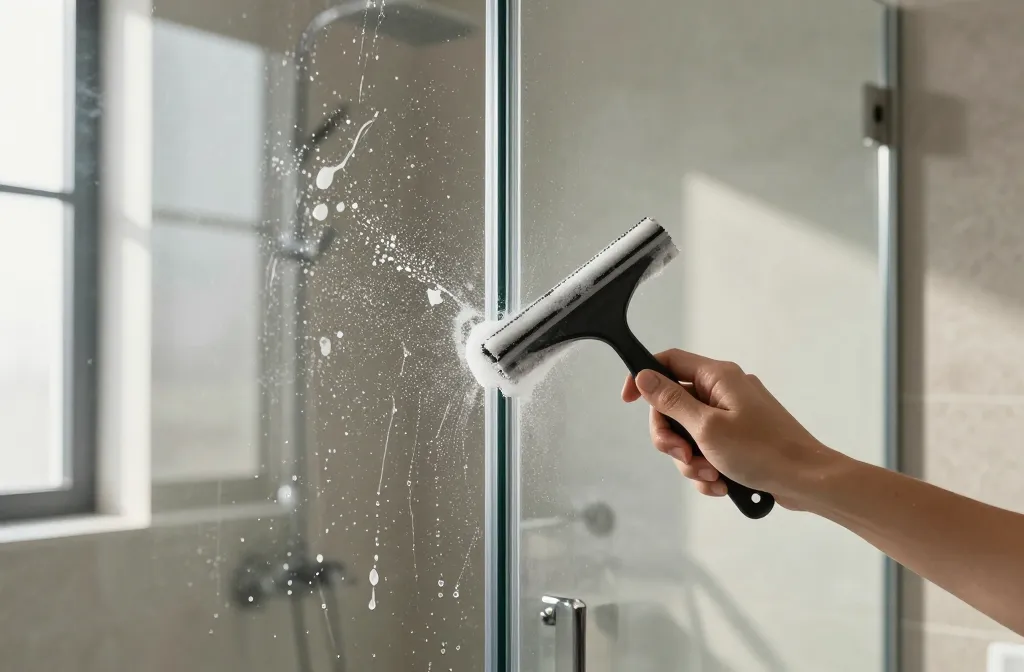
- Dry and detail: Squeegee top to bottom. Then buff with a clean, dry microfiber. For a pro finish, wipe the edges and handle with a cloth lightly dampened with isopropyl alcohol.
Result: Clear, shiny glass. Shower selfies optional but encouraged.
For Stubborn, Aged Buildup
If your glass looks like it survived a decade in a mineral bath, try this:
- Heat vinegar in the microwave until warm (not boiling), then spray and press plastic wrap over the glass to hold it in place for 15 minutes.
- Remove wrap, scrub with a baking soda paste (3:1 baking soda to water), rinse, then repeat vinegar if needed.
- Finish with alcohol buff for that squeak.
IMO, patience beats heavy-duty chemicals here.
Quick Daily Habits That Save You Hours
Want to clean less? Do tiny things more often. It’s like compound interest, but for cleanliness.
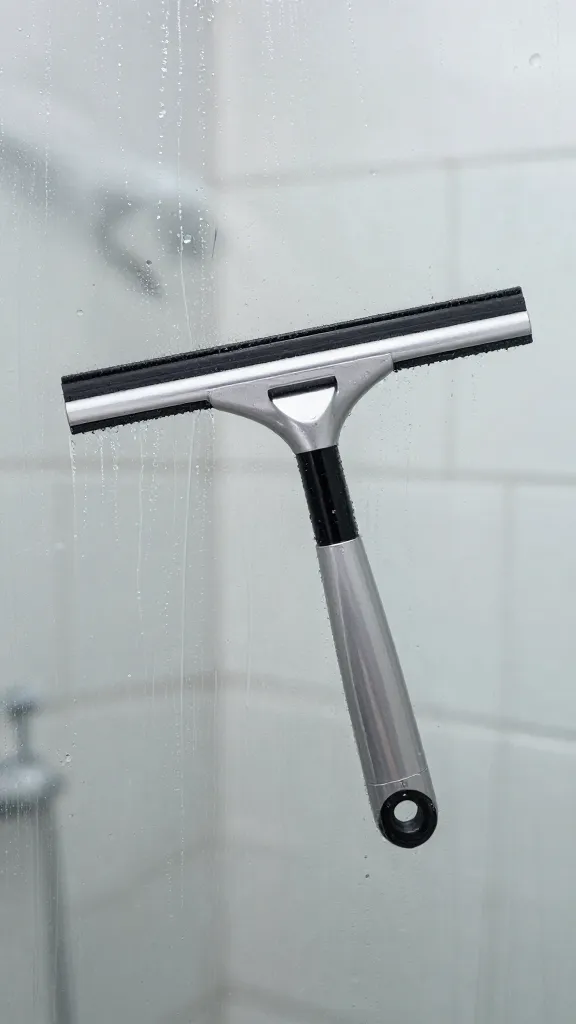
- Squeegee after every shower. Takes 20 seconds. Removes 90% of what causes spots.
- Keep a microfiber in the bathroom. Quick buff after squeegee = glass that stays smugly spotless.
- Use liquid body wash instead of bar soap. Bar soap leaves more scum. Liquid leaves less drama.
- Crack a window or run the fan. Less humidity means fewer streaks.
My Lazy-Day Trick
Mix a 1:1 vinegar-water spray and keep it in the shower. After a rinse, spritz, wait a minute, then squeegee. Boom—maintenance mode.
Hard Water: The Plot Twist
If your water leaves chalky rings on everything, the usual routine works—but you need extra ammo.
- Add citric acid to your cleaner (1 tablespoon per cup of water). It chews through mineral deposits better than vinegar alone.
- Try a rinse agent (like what you use in dishwashers) diluted with water for a final wipe. It helps repel water.
- Consider a whole-home or shower-head filter. Not glamorous, but it cuts future buildup big time.
When Spots Don’t Budge
Some “stains” are actually etching
Natural, Store-Bought, or DIY: Pick Your Fighter
You’ve got options, and honestly, they all work if you use them consistently.
- DIY Vinegar Mix: Cheap, effective, smells like a salad. Great for routine cleaning.
- Commercial Glass Cleaners: Look for ones labeled for soap scum/hard water. Avoid ammonia + bleach combos. Don’t mix chemicals, ever.
- Magic Eraser: Good for edges, frames, and stubborn smears. Go gentle to avoid micro-scratches.
- Razor blade: Only if you 100% know it’s real glass (not coated) and you use a brand-new blade at a low angle with soapy water. IMO, skip unless you’re confident.
Coated or Treated Glass?
If your doors have a water-repellent coating, avoid abrasives, vinegar soaks, and harsh chemicals. Use mild dish soap and water with a microfiber. Check your manufacturer’s guide—coatings can be fussy.
Make It Shine: Finishing Touches
Want that glossy, hotel-bath look? Add a finishing step once a week.
- Final alcohol buff: Wipe with a microfiber lightly dampened with isopropyl alcohol. It nukes streaks.
- Water-repellent treatment: Apply a glass sealant (like for car windshields) every few months. Water beads and slides off, which means less spotting.
- Detail the hardware: Clean handles and tracks with dish soap and a toothbrush, then dry. Shiny hardware = the illusion of total perfection.
FAQ
Can I use vinegar on every type of shower glass?
Usually yes, but if your glass has a special coating, skip vinegar and abrasive scrubs. Use mild dish soap and water only. When in doubt, test a small corner or check the care manual.
How often should I deep-clean the shower doors?
If you squeegee daily, do a proper clean every 1–2 weeks. If you don’t squeegee (no judgment… okay, slight judgment), plan on a weekly clean to keep buildup from snowballing.
What if my shower smells like vinegar afterward?
Rinse with warm water and crack a window or run the fan. The smell fades quickly. If it bothers you, add a few drops of essential oil to your spray—lemon or tea tree pairs nicely.
Will bleach remove soap scum?
Bleach disinfects but doesn’t dissolve mineral deposits or oils. Use vinegar or citric acid for minerals and dish soap for oils. Save bleach for moldy grout battles, not glass.
Why does my glass streak even after cleaning?
Two likely culprits: residue or a dirty cloth. Rinse thoroughly, then use a clean, dry microfiber. A final wipe with isopropyl alcohol also kills streaks fast, FYI.
Are newspaper and Windex still a thing?
They work on regular windows. For shower glass with soap scum and minerals, go stronger first (vinegar + dish soap), then finish with a glass cleaner if you want extra sparkle.
Wrap-Up: Keep It Clear Without Losing Your Weekend
You don’t need fancy potions, just vinegar, dish soap, and a squeegee habit. Hit the doors with a quick daily swipe, do a deeper clean every week or two, and consider a water-repellent treatment for long-term shine. Do that, and your shower goes from cloudy to “who turned the glass invisible?” fast. IMO, that’s a big win for a few minutes of effort.