Leather couches age like movie stars—until they don’t. One juice spill, a mystery stain, and a layer of dust can make your pricey sofa look tired fast. The good news? You can bring it back to “wow” with the right routine and zero drama. Let’s clean it properly, avoid the rookie mistakes, and keep it buttery-soft without sacrificing your weekend.
Know Your Leather (It Matters More Than You Think)
Before you spray anything, figure out what you’re dealing with. Not all leather plays nice with water or soap. Ignore this step and, well… enjoy your new blotchy abstract art piece.
- Aniline/Unfinished leather: Luxuriously soft, super porous, stains easily. Go gentle. No water soaking. No harsh cleaners. Condition often.
- Semi-aniline: Slightly protected. Still fancy, still needs care, but a bit tougher than pure aniline.
- Protected/Pigmented leather: Most common for couches. Has a protective coating. Easier to clean without drama.
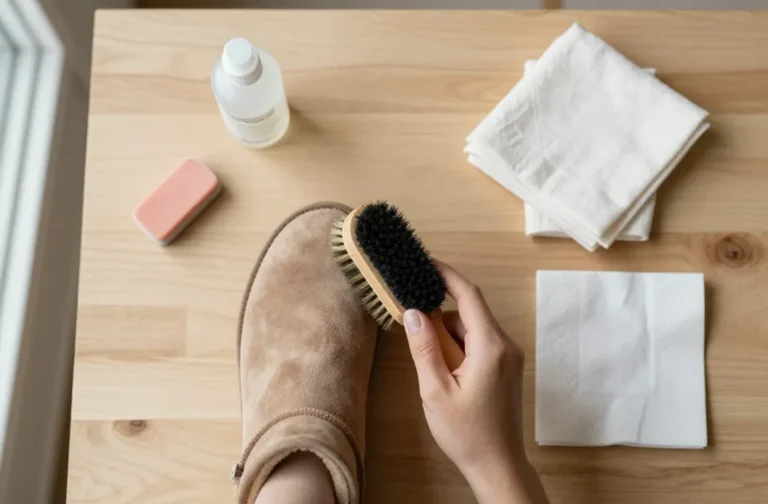
- Suede/Nubuck: Different beast. Skip liquids. Use specialty brushes and cleaners only.
How to check your type
Look for tags, manuals, or the manufacturer’s site. If you can’t find info, do a tiny spot test on the back or under a cushion with a damp cloth. If it darkens and stays dark, you probably have unfinished leather. Proceed like you’re handling a baby alpaca.
Supplies You Actually Need (No, Not Olive Oil)
You don’t need a chemistry lab. Just keep it simple and safe.
- Soft microfiber cloths: Get 4–6. You’ll use them a lot.
- Vacuum with brush attachment: For crumbs and dust in creases.
- Mild leather cleaner or gentle soap: pH-balanced leather cleaner is ideal. If not, use a tiny amount of fragrance-free dish soap or baby soap.
- Distilled water: Reduces minerals that can leave marks.
- Leather conditioner: High-quality, non-greasy. Avoid anything with silicone or waxy buildup (unless your brand says otherwise).
- Soft-bristle brush: Optional, for texturing and stubborn creases.
- Isopropyl alcohol (70%) and cotton swabs: For ink spots—used carefully.
Prep Like a Pro
Don’t jump straight to scrubbing. A quick prep makes cleanup faster and safer.
- De-crumb the battlefield: Vacuum seams, under cushions, and along edges with a brush attachment. Don’t scratch the leather.
- Dry wipe: Use a clean, dry microfiber cloth to remove surface dust and body oils. You’ll instantly see a small glow-up.
- Spot test, always: Dampen a corner of a cloth with your cleaner solution and test in a hidden spot. Wait 10 minutes. No discoloration? You’re good.
The Gentle Clean Method (Your Couch Will Thank You)
We clean leather with the “less is more” philosophy. You want clean, not soaked.
- Mix your solution: Add a few drops of mild soap to a bowl of distilled water. You want a light, milky mixture—no bubbles party.
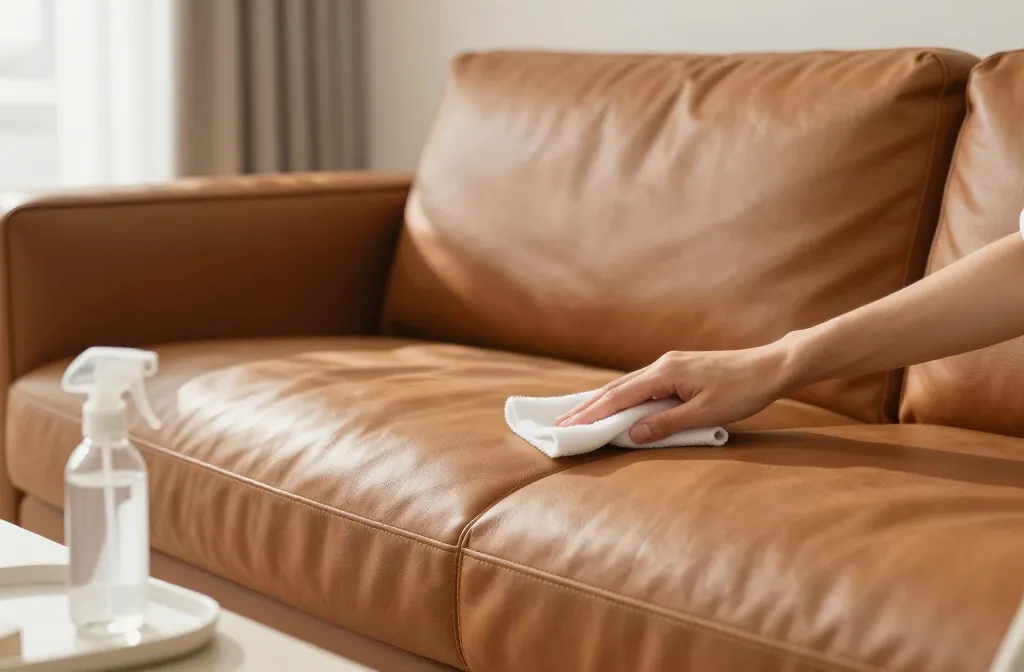
- Dampen, don’t drench: Lightly dampen a microfiber cloth. Squeeze thoroughly. Never apply liquid directly to the couch.
- Wipe in sections: Work in small areas (like 1–2 square feet). Wipe gently in circular motions. Don’t scrub like you’re mad at it.
- Rinse cloth often: Oils and dirt build up fast. Rinse, wring, repeat.
- Dry immediately: Follow each section with a dry cloth to remove moisture. Leather + lingering water = sadness.
For heavy grime
Use a leather-specific cleaner and follow the label. Apply it to your cloth (not the couch), wipe gently, and buff dry. If you see color transferring heavily, stop and reassess your leather type.
Spot Treatment: Stains, Grease, and Ink
Stains happen. Don’t panic-treat with Google hacks. Some are terrible.
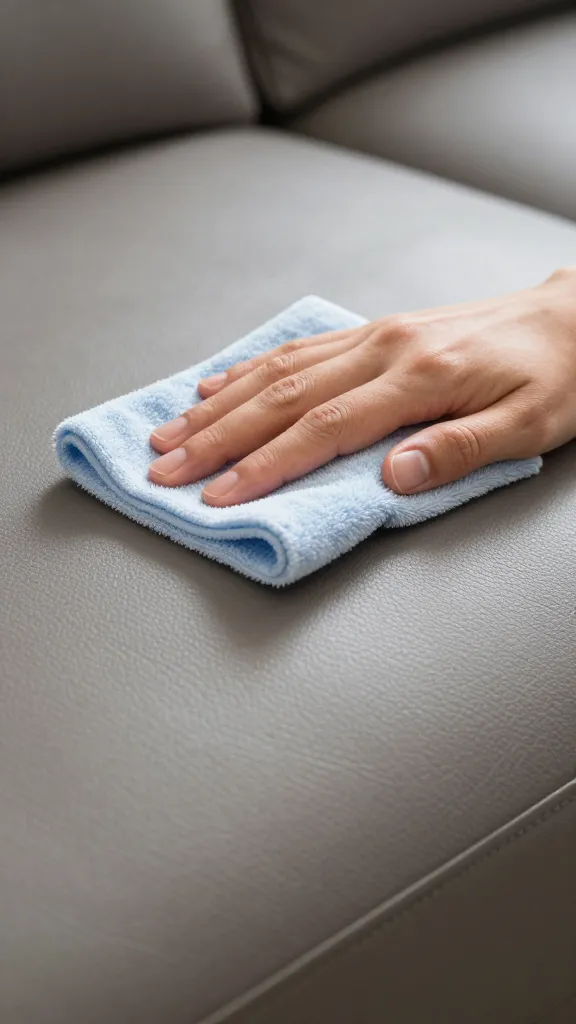
- Fresh spills: Blot immediately with a dry cloth. Don’t rub. Then clean gently with your damp cloth and dry.
- Grease/oil: Blot with a dry cloth. If residue remains, sprinkle a tiny bit of cornstarch or talc, let sit 2–4 hours, then brush/vacuum off. Repeat if needed. Avoid water first.
- Ink marks: Lightly dab with a cotton swab dipped in 70% isopropyl alcohol. Dab, lift, rotate swab. Stop if color lifts from the leather. Condition after.
- Dyes (jeans), mystery stains: Use a leather degreaser/cleaner designed for color transfer. If it’s stubborn, IMO call a pro before you strip the finish.
What NOT to use
- Vinegar, bleach, ammonia, all-purpose sprays: Too harsh. They dry and damage finishes.
- Olive oil or coconut oil: Seems shiny at first, then attracts dirt and can go rancid. Hard pass.
- Magic erasers: Abrasive. They remove finish and your will to live.
Conditioning: The Secret to Soft, Supple Leather
Cleaning removes grime, but conditioning keeps leather from drying and cracking. Think of it like moisturizer for your couch’s soul.
- Pick the right product: Use a dedicated leather conditioner that matches your leather type. Avoid silicone-heavy stuff unless the manufacturer approves it.
- Apply sparingly: Use a soft cloth, massage a little into a small section, and let it absorb. Less is more.
- Buff to finish: After 10–15 minutes, buff with a dry cloth to remove any residue and restore sheen.
How often to condition
– High-use couches: Every 3–4 months
– Low-use or well-humidified homes: Every 6 months
– Dry climates or sunny rooms: Every 2–3 months (UV and heat dry leather faster)
Keep It Clean Longer (So You Don’t Have to Do This Weekly)
Smart habits keep your couch looking A-list with minimal effort.
- Weekly: Quick dust with a dry microfiber cloth. Takes two minutes.
- Monthly: Vacuum creases and wipe with a damp cloth. Dry after.
- Quarterly: Full clean + condition.
- Rotate cushions: Even out wear and creasing.
- Mind the sun and vents: Keep away from direct sunlight and heat sources. Use curtains or UV film if needed.
- Throws and dye transfer: Dark jeans can mark light leather. Use a light throw or let guests know, FYI.
Fixing Common Leather Couch Issues
Let’s troubleshoot the usual suspects before you spiral.
It looks dull or cloudy
You might have cleaner residue. Wipe with a lightly damp cloth (distilled water), then buff dry. If buildup persists, use a leather-safe cleaner and buff again.
It feels sticky
Too much product or the wrong kind. Clean with a damp cloth and minimal soap to remove excess. Switch to a lighter conditioner.
Cracking or dryness
Condition in thin layers over a few days. You can’t reverse cracks, but you can stop new ones. Keep the humidity moderate and move it away from heat.
Scuffs and minor scratches
For protected leather, massage gently with a clean finger or a tiny bit of conditioner to redistribute oils. For deeper marks or aniline leather, consider a color balm matched to your shade.
FAQ
Can I use a steam cleaner on my leather couch?
Nope. Steam forces moisture and heat into the leather and finish, which can blister, warp, or dry it out later. Use the gentle damp-cloth method instead.
What if my couch has a strong odor?
First, clean and dry it thoroughly. Then set bowls of baking soda in the room to absorb odors (don’t put powder directly on the couch unless it’s for grease spots). Ensure good ventilation. If a musty smell persists, IMO call a pro—trapped moisture or mold needs specialized care.
Is baby wipe cleaning safe for leather?
Usually not. Many wipes contain alcohols, fragrances, and surfactants that strip finishes over time. They’re fine for emergencies, but don’t make it a habit.
How do I handle pet scratches?
Trim nails regularly and use throws in their favorite spot. For light scuffs, rub gently with a clean finger or a little conditioner. For deeper claw marks, a leather repair kit or a pro touch-up works best.
Can I clean unfinished/aniline leather the same way?
Be extra cautious. Use minimal moisture, blot spills fast, and choose products labeled safe for aniline. Condition more often, and consider a protector designed for unfinished leathers.
Will conditioning make my couch shiny?
Good conditioners shouldn’t make it glossy. If you get unwanted shine, you used too much. Buff with a dry cloth or switch to a matte-finish conditioner.
Wrap-Up: Clean, Condition, Chill
A leather couch doesn’t need coddling—just smart, gentle care. Identify your leather, clean with a damp cloth and mild cleaner, then always dry and condition lightly. Build a simple routine and you’ll keep that rich, lived-in look without the cracks and chaos. Your couch will age gracefully, like fine wine—minus the hangover. FYI, that means more time sitting, less time scrubbing. Win-win.