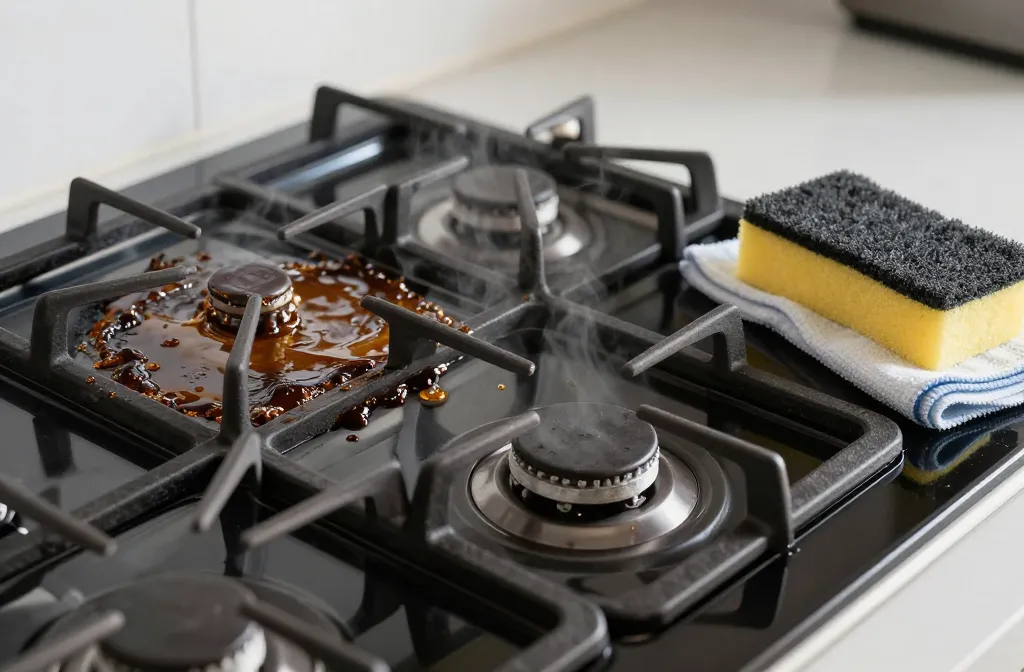
Your gas stove grates work hard. They hold searing-hot pans, catch bubbling sauces, and absorb every splatter from your “experimental” stir-fry. When they look caked and crusty, your whole kitchen feels grimy. The good news? You can clean them way easier than you think—without trashing your knuckles or your weekend.
Know Your Grates Before You Soak Them
Not all grates live the same life. Most gas stoves use either cast iron (often coated with matte black enamel) or raw cast iron. Each loves a different kind of TLC.
- Enamel-coated cast iron: Tough, non-porous, and usually safe to soak. Handles most cleaners like a champ.
- Raw cast iron: Porous and prone to rust. You can clean it well, but you need to dry and oil it after.
- Removable burner caps: Treat them like the grates, but keep liquids out of the actual burner heads and ports.
FYI: If your manual says “don’t soak,” believe it. Manufacturers don’t write those warnings for fun.
Quick Daily Clean (Because Prevention Beats Elbow Grease)
If you clean small messes fast, you’ll avoid the dreaded petrified lasagna layer. Here’s a speedy routine:
- Let grates cool completely. I mean it—no hero moves.
- Wipe off crumbs and loose grease with a damp microfiber cloth.
- Spritz with a mix of warm water and a drop of dish soap.
- Use a non-scratch sponge to lift light residue.
- Dry thoroughly. Moisture invites rust on raw cast iron.
Pro tip: A quick wipe after cooking takes 30 seconds and saves you a weekend scrub-a-thon later.
The Deep-Clean: Soak, Scrub, Shine
When the gunk fights back, bring out the big guns. This method handles typical grease and burnt-on bits without damage.
- Remove and prep: Take off the grates and burner caps. Shake off debris into the trash, not your sink drain.
- Soak in hot, soapy water: Fill the sink with very hot water and a generous squeeze of degreasing dish soap. Submerge for 20–30 minutes. Enamel-coated grates love this. Raw cast iron? Keep the soak short.
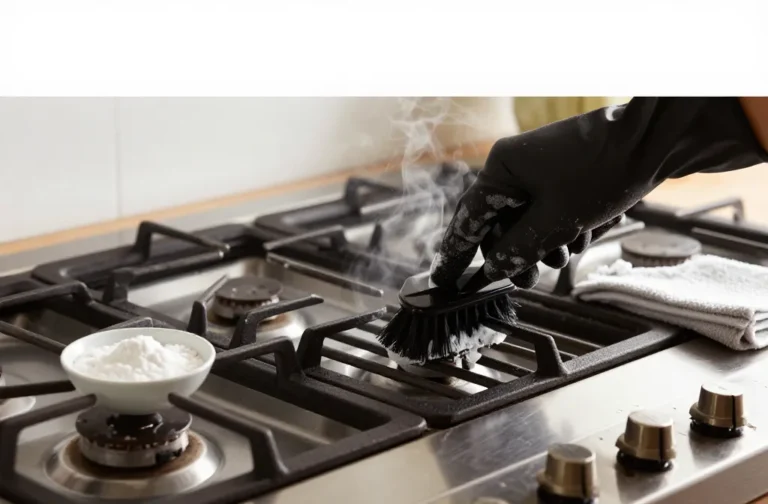
- Scrub smart: Use a non-scratch pad or brush. Hit stubborn spots with a paste of baking soda and water. Let it sit 10 minutes, then scrub again.
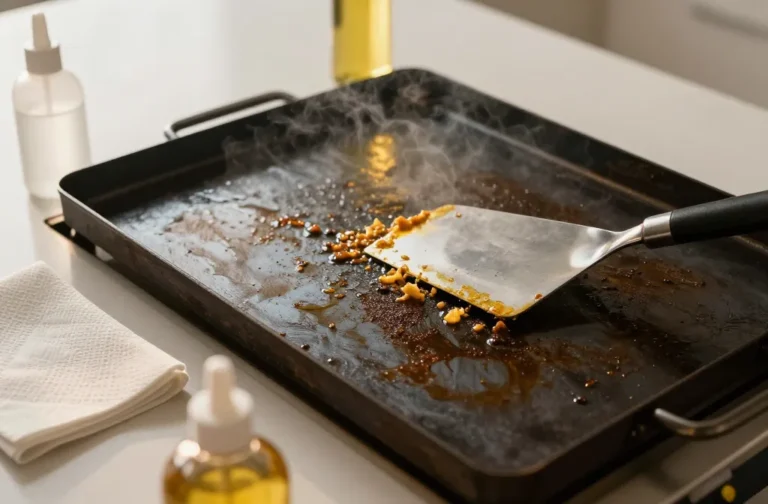
- Tackle the carbon crust: For cooked-on carbon, use a nylon scraper. Avoid metal tools that gouge the finish.
- Rinse and dry: Rinse with hot water. Dry completely with a towel. If they still look meh, repeat the paste step.
Big no-nos: Don’t toss grates in the dishwasher unless your manual says it’s fine. Many finishes hate the harsh detergent and long heat cycles.
Dealing With Stubborn, Sticky Grease
When dish soap shrugs, switch to a stronger but grate-safe option:
- Degreaser spray: Citrus-based or stove-safe degreasers work well. Spray, wait 5–10 minutes, then scrub.
- Baking soda + vinegar: Sprinkle baking soda, spritz white vinegar, let it foam for 5 minutes, then scrub.
- Ammonia bag method (powerful): Place grates in a heavy-duty zip bag with a small cup of household ammonia. Seal and leave outside or in a ventilated area overnight. The fumes break down grease. Rinse and scrub lightly the next day. Wear gloves, and never mix ammonia with bleach—ever.
Special Care for Raw Cast Iron Grates
Raw cast iron needs just a bit more love, IMO. You can wash it, but dry it like you mean it.
- Go easy on soaking: A short, hot soak is okay. Don’t leave them in water for hours.
- Scrub and rinse: Use a non-scratch brush. Avoid steel wool unless the manual approves.
- Dry instantly: Towel dry, then set them on a low burner for 2–3 minutes to evaporate hidden moisture.
- Lightly oil: Rub a drop of high-smoke-point oil (grapeseed or canola) over the surface. Wipe off excess so they don’t feel greasy.
Why oil? It prevents rust and keeps that deep, black finish looking chef-y, not chalky.
Burner Area Cleanup (Without Wrecking Anything)
Grates off, stove top exposed—time to clean around the burners without clogging the fire.
- Protect the ports: Keep water and cleaner out of the tiny gas holes. Clogged ports equal uneven flames.
- Use a toothbrush: Scrub around the burner bases with warm soapy water. Wipe with a damp cloth, then dry.
- Clear ports carefully: If you spot crumbs in the holes, use a wooden toothpick or a soft brush. Not a metal skewer. You’re cleaning, not doing dental surgery.
Eliminating Odors and Film
If you smell a lingering “fried something” vibe or feel a filmy residue:
- Wipe the cooktop with a 1:1 mix of white vinegar and water.
- Buff dry with a microfiber cloth for a streak-free finish.
- Pop a bowl of vinegar near the stove for an hour to absorb smells, if you’re extra.
When to Level Up Your Tools
Sometimes you need backup. These helpers make life easier:
- Nylon or silicone scraper: Removes carbon bits without scratching enamel.
- Pumice stone (carefully): Only for raw cast iron, lightly, and with water. Avoid enamel entirely.
- Razor scraper: Only on flat, glass surfaces—never on coated grates.
- Bar Keeper’s Friend (powder): Great on enamel grates. Make a paste, scrub gently, rinse well.
Test spot first: Try new cleaners on a hidden area to avoid “why is my black grate suddenly gray?” regrets.
Keep Them Cleaner, Longer
Want to stretch time between deep cleans? Build some simple habits.
- Wipe after major splatters: A 30-second wipe while the stove is warm (not hot) stops crust from setting.
- Use splatter screens: They look nerdy, but they work.
- Match pan size to burner: Overhang cooks grease onto the grates for no reason.
- Do a mini-soak weekly: Ten minutes in hot, soapy water prevents mega-build-up.
What About the Dishwasher?
Enamel grates sometimes survive dishwashers, but I wouldn’t risk it unless the manual says it’s cool. Dishwasher detergent is aggressive, and long cycles can dull finishes. Hand washing wins.
FAQ
Can I use oven cleaner on stove grates?
You can use it on enamel-coated grates if the label says it’s safe, but ventilate well and wear gloves. Avoid it on raw cast iron—it can strip and discolor. If in doubt, go with a degreaser and some patience.
How do I remove rust from raw cast iron grates?
Scrub the rust with a fine steel wool or a scrub pad until it disappears, then wash, dry thoroughly, and lightly oil. If rust runs deep, repeat a few cycles. Keep water exposure short in the future and always dry over low heat.
Why do my grates look gray or chalky after cleaning?
Harsh detergents or dishwasher cycles can dull finishes. For enamel, polish gently with a baking soda paste or Bar Keeper’s Friend, then rinse and dry. For raw cast iron, oil lightly and heat to restore that rich color.
Is the ammonia bag method safe?
Yes, if you do it right. Use a small amount of household ammonia, seal the bag tightly, and leave it outdoors or in a very ventilated spot. Wear gloves, keep it away from kids and pets, and never mix with bleach. Rinse thoroughly afterward.
How often should I deep-clean my grates?
If you cook daily, aim for a proper deep clean every 2–4 weeks. If you fry a lot or love sauces that splatter, go more often. Light users can stretch to every couple of months with regular wipe-downs.
Can I season raw cast iron grates like a skillet?
Lightly, yes. After cleaning and drying, rub on a thin film of oil and heat the grates on low for a few minutes. You won’t build skillet-level seasoning, but you’ll boost rust resistance and make future cleaning easier.
Conclusion
Clean gas stove grates don’t demand a hazmat suit or a prayer circle. Start with a hot, soapy soak, add smart scrubbing, and finish with thorough drying—and a bit of oil if you’ve got raw cast iron. Build tiny habits, pull out the big methods when needed, and your stove will look like you run a tight ship, even if dinner sometimes says otherwise. FYI: your future self will thank you when spaghetti night explodes again.