Your microfiber couch looks amazing… until it doesn’t. Smudges, mystery stains, weird water rings—it all shows up like a spotlight. The good news? You can get it back to “wow, is this new?” status without hiring a pro or babying it. Grab a few simple tools, follow a smart plan, and you’ll win the sofa wars.
Know Your Fabric Code First (Seriously, Check the Tag)
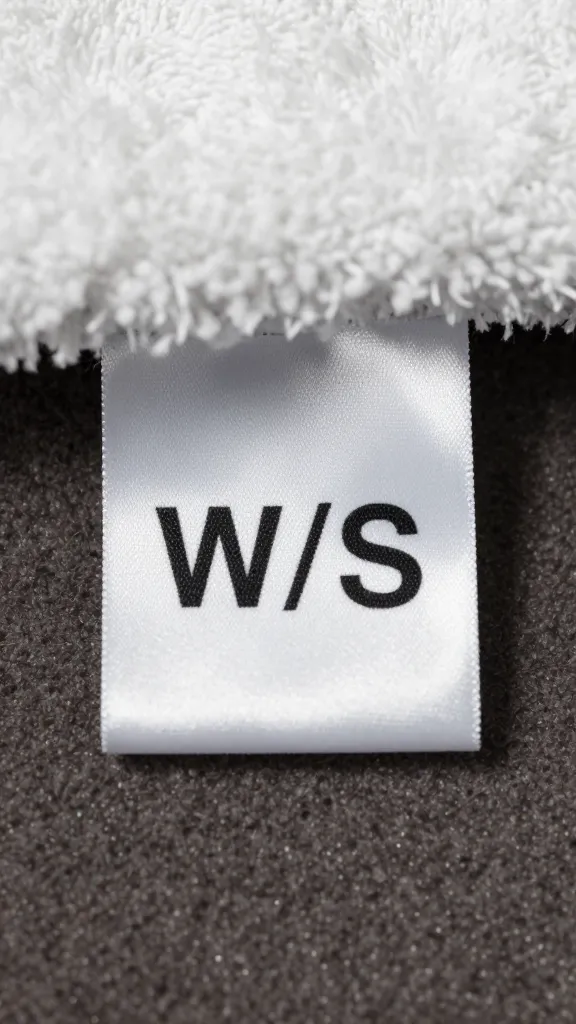
Before you spray anything, peek at the care tag. It usually hides under a cushion or on the underside of the frame. This little code tells you what your couch can handle.
- W: Water-based cleaners are safe.
- S: Solvent-based cleaners only (no water!).
- W/S: Either water-based or solvent-based works.
- X: Vacuum only—no liquids at all. (I know. Tragic.)
Pro tip: Always do a spot test on the back or a hidden seam. If the color transfers or the spot gets crunchy, bail out and adjust.
Quick Prep: Get the Gunk Off First
You’ll get way better results if you start with a clean surface. Think: dust, crumbs, pet hair—bye.
- Vacuum thoroughly with a brush or upholstery attachment. Work in overlapping strokes.
- Tackle pet hair with a rubber glove or lint roller. A slightly damp glove grabs hair fast.
- Lift dried gunk (food, mud) with a plastic scraper or old credit card—gently.
Why bother? Because rubbing cleaner into a dusty sofa equals making mud. No thanks.
Spot Cleaning the Smart Way
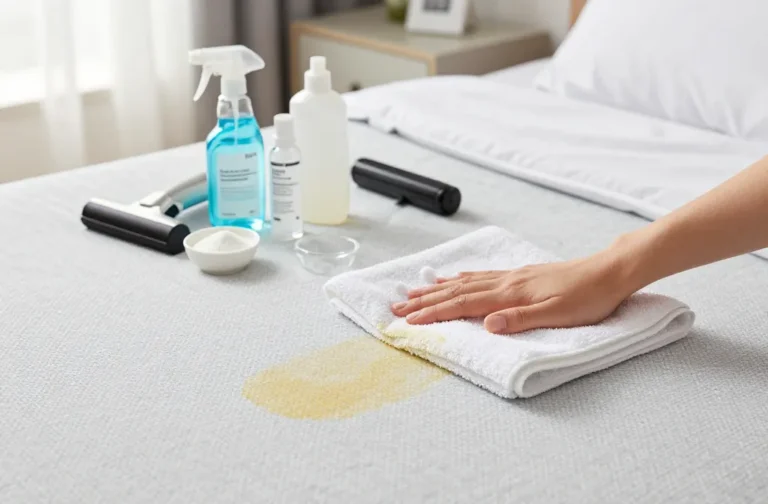
You don’t need to nuke the whole couch for one rogue latte spot. Attack stains as soon as you see them.
For W and W/S Tags: Water-Based Cleaning
You can DIY a gentle cleaner:
- 1 cup warm water
- 1 teaspoon mild dish soap
- Optional: 1 teaspoon white vinegar for odor
Steps:
- Blot, don’t rub. Use a clean white cloth to lift as much as you can.
- Apply solution lightly. Dampen (don’t soak) a microfiber cloth and dab the stain.
- Work from the outside in. That prevents halos.
- Rinse cloth and dab again with plain water to remove soap residue.
- Blot dry with a towel.
For S and W/S Tags: Solvent Cleaning
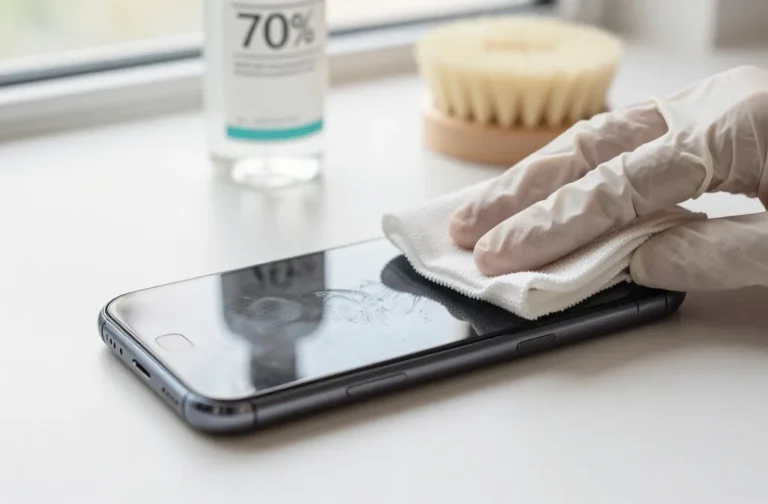
You need an alcohol-based cleaner, like isopropyl alcohol (70–91%) or a commercial dry upholstery cleaner.
- Lightly mist the stained area with alcohol using a spray bottle.
- Blot with a white cloth while it’s still damp. You’ll see the stain transfer.
- Repeat as needed—small bursts, not a shower.
- Let it dry completely. Alcohol evaporates fast, which is why microfiber likes it.
FYI: Colored cloths can bleed dye. White towels only. Ask me how I learned that.
Full Refresh: Deep Clean Without Drenching
Maybe your couch just feels… tired. Time to freshen the whole thing.
W or W/S: Foam Clean for Even Results
Foam works beautifully on microfiber because it cleans without soaking.
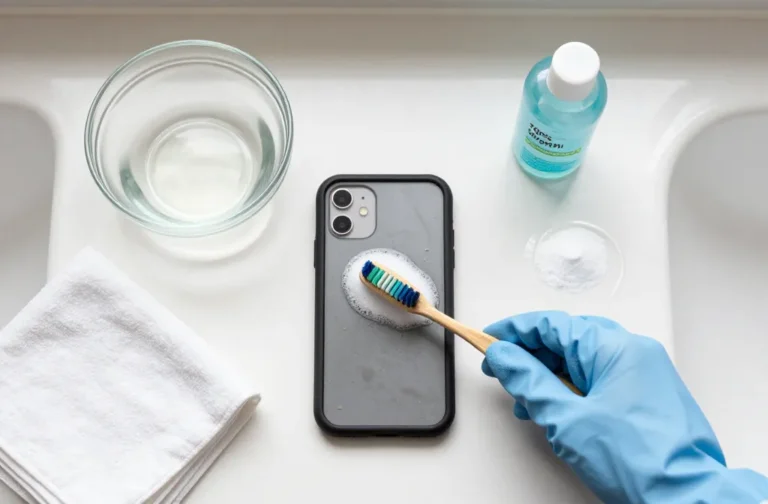
- Mix a foam by whisking 1 teaspoon dish soap into 2 cups warm water until frothy.
- Apply foam only (scoop with a sponge). Keep the liquid in the bowl.
- Work in sections, gently rubbing in circles.
- Wipe residue with a slightly damp cloth.
- Blot dry and move on to the next section.
S: Dry Clean the Right Way
If you’ve got an S tag, stick with alcohol or a labeled “dry upholstery cleaner.”
- Ventilate the area—windows open, fan on.
- Lightly mist and brush with a soft brush as you go. This helps lift soil without wetting fibers.
- Do overlapping passes so you don’t create tide lines.
IMO: Slow and steady beats “let’s do the whole couch at once and panic.”
Fix the Crunch: Restoring the Soft, Velvety Feel
Microfiber can dry stiff after cleaning. Don’t freak out—it’s normal.
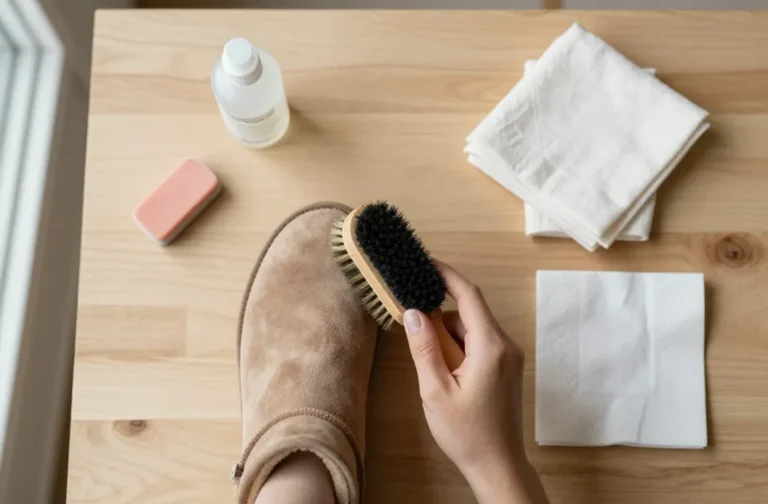
- Use a soft-bristle brush (or a clean, dry sponge) to fluff the nap once dry.
- Brush in different directions to blend the texture and remove any visible lines.
- Hit stubborn areas with a quick pass of warm air from a hair dryer on low, then brush again.
It’s like giving your couch a blowout. Without tipping your stylist.
Stain-Specific Playbook
Different mess, different move. Here’s your cheat sheet.
- Grease/Oil: Sprinkle baking soda or cornstarch. Let sit 15–20 minutes, then vacuum. Follow with alcohol (S/W/S) or mild soap solution (W/W/S).
- Ink: Dab with isopropyl alcohol using a cotton swab. Small circles, light pressure. Replace swabs often.
- Wine/Juice: Blot fast. For W/W/S, use a soap solution with a splash of vinegar. For S, use alcohol.
- Pet Accidents: Blot, then use an enzyme cleaner safe for upholstery (check tag and test). Rinse with a damp cloth (W) or follow with alcohol (S) to reduce rings.Advertisement
- Water Rings: For S fabrics, lightly mist with alcohol and blend outward. For W fabrics, re-wet the ring lightly with clean water, then blot and dry evenly.
Drying Without Drama
You cleaned it. Now don’t ruin it in the final lap.
- Avoid soaking at all costs—microfiber hates it.
- Speed up drying with fans or open windows. Skip high heat.
- Blot, don’t rub during drying if you see damp edges forming.
- Finish with a brush to restore the nap. Always.
FYI: Sitting on a damp couch compresses the fibers and locks in weird marks. Hands off until fully dry.
Ongoing Care So It Stays Clean Longer
You don’t need a weekly detailing session. Just mini-habits.
- Vacuum weekly if you have pets, biweekly otherwise.
- Rotate cushions to prevent butt-prints (technical term).
- Treat new spills immediately to dodge permanent stains.
- Use throws in high-traffic spots—wash the throw, not the whole couch.
- Consider fabric protector labeled for microfiber after a deep clean. Test first.
FAQ
Can I use a steam cleaner on a microfiber couch?
Check the tag. Most microfiber with a W or W/S tag can handle very light steam, but you risk water rings and matting if you overdo it. If you try it, keep the steam moving, use low moisture, and brush the fibers as they dry. For S or X tags, skip steam entirely.
Why did my couch get stiff after cleaning?
Moisture flattens microfiber, and dried soap residue can add crunch. Let it dry completely, then brush the nap in multiple directions. If it still feels stiff, you may have residue—wipe lightly with a damp cloth (W) or a mist of alcohol (S/W/S), then dry and brush again.
Is rubbing alcohol safe for all microfiber?
Nope. It’s great for S and W/S tags, but don’t use it on X (vacuum-only) fabric. Also, always spot test because some dyes can be sensitive. Use 70–91% isopropyl alcohol, not vodka—save that for you after cleanup.
How do I remove a set-in stain?
Pre-treat with the appropriate cleaner (soap solution for W, alcohol for S/W/S), let it dwell for a minute or two, then blot—don’t scrub. Repeat in light passes. Older stains may lighten but not vanish in one round. A second session usually finishes the job.
What if my couch doesn’t have a care tag?
Assume caution. Test both water and alcohol in hidden spots. If water leaves a ring or stiff patch but alcohol dries clean, treat it like an S fabric. If both fail, keep to vacuuming and call a pro for tough stains.
Can I use vinegar or baking soda everywhere?
Vinegar works in tiny amounts on W fabrics to neutralize odors, but don’t soak. Baking soda helps with grease and smells, but vacuum it thoroughly afterward. Avoid both on X fabrics, and always test first. IMO, less is more here.
Conclusion
Cleaning a microfiber couch doesn’t need a whole afternoon or a chemistry degree. Identify the fabric code, prep well, spot clean smartly, and finish with a good brush-out. Keep moisture light, avoid scrubbing, and treat spills fast. Do that, and your couch will keep looking like the comfy MVP of your living room.