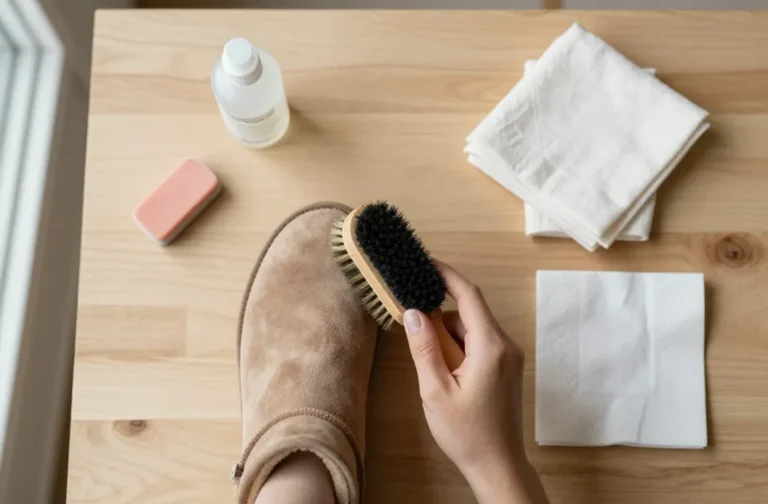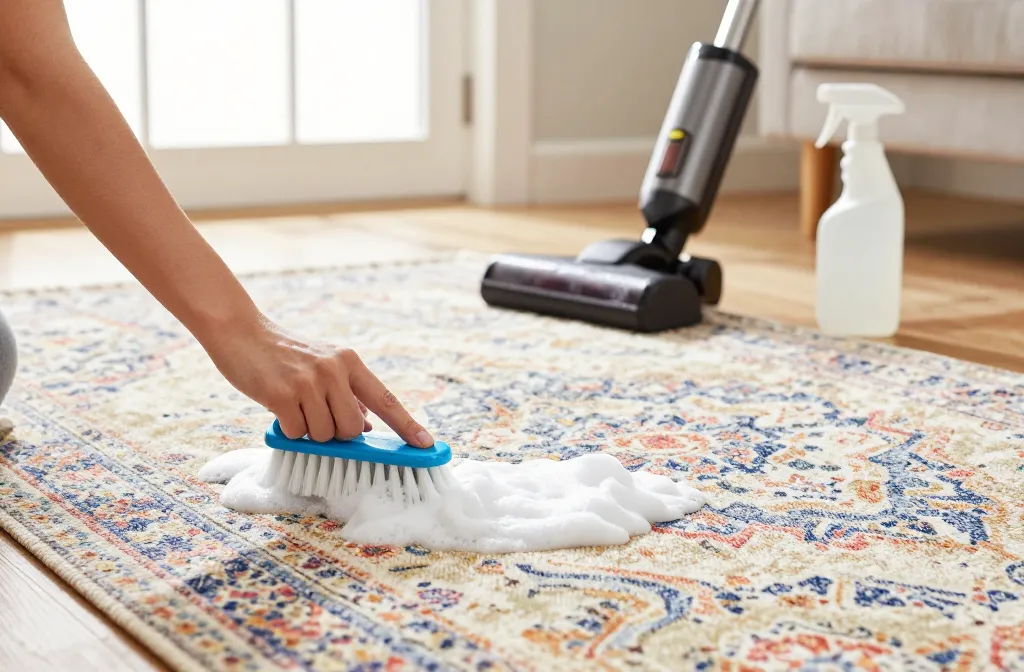
Let’s be honest: area rugs take a beating. Shoes, snacks, pets, mysterious hallway dust…it all ends up there. The good news? You can get that rug looking (and smelling) fresh without hauling it to a cleaner. Grab a couple of basics, roll up your sleeves, and let’s make that rug proud to live on your floor again.
Know Your Rug: Material Matters
Before you attack stains like a caffeinated raccoon, check what you’re dealing with. Fibers react differently, and you don’t want to turn wool into felt or melt a synthetic.
- Wool: Loves gentle, cool water and mild soap. Avoid heat and aggressive scrubbing.
- Cotton: More forgiving. You can usually go a bit bolder with cleaning.
- Synthetic (polypropylene, nylon, polyester): Tough and water-friendly. Great for DIY cleaning.
- Natural fibers (jute, sisal, seagrass): Water hates them. Spot clean only and keep them dry.
- Silk or viscose: Call a pro. FYI, water can ruin the sheen and texture.
Quick Label Check
Find the care tag on the back, or check the seller’s site. If you see “Dry Clean Only” or “Do Not Saturate,” stick to spot cleaning. When in doubt, test anything on a small, hidden corner first.
Pre-Game: Shake, Vacuum, De-Fuzz
You’ll get better results if you start clean-ish.
- Shake it out: Take the rug outside and give it a few good whacks. Therapy and cleaning in one go.
- Vacuum both sides: Yes, both. Dirt hides in the backing and pushes back up.
- De-lint: Use a lint roller or a rubber squeegee to grab hair and fuzz. Pet owners, this tip is your new bestie.
Spot Treatment First
Why clean the whole thing if one stain ruins the vibe? Mix a small bowl of warm water with a few drops of mild dish soap. Blot, don’t scrub. Work from the outside in so the stain doesn’t spread. Rinse with a damp cloth and blot dry. IMO, enzyme sprays work miracles on pet messes.
The Gentle Wash Method (Most Rugs)
If your rug handles water, here’s the simple, safe approach.
- Set up a wash zone: Bathroom, patio, or garage works. Lay it flat on a clean surface. If outside, throw a tarp down to keep grit off.
- Mix a mild solution: In a bucket, combine cool water with a few teaspoons of mild dish soap or a rug shampoo. Go light—too much soap leaves residue.
- Work in sections: Dip a soft brush or microfiber cloth and gently scrub with the nap of the rug. Keep it damp, not drenched.
- Rinse: Wipe with a clean cloth and cool water. Repeat until suds stop showing up. No hose blasts unless it’s a tough synthetic and even then, easy does it.
- Blot out water: Press with towels to pull out moisture. You’ll be shocked how much water comes out—keep swapping towels.
Drying Without Drama
Dry it flat if you can, and flip halfway through. Prop with a few objects underneath to let air circulate. Sun helps deodorize, but don’t bake delicate fibers. Keep heat low and run fans. Make sure it’s completely dry before putting it back to prevent mildew and “mystery funk.”
Special Case: Wool Rugs
Wool looks fancy because it is. Treat it right and it’ll last forever.
- Use cool water and wool-safe soap: Think sweater rules. Hot water can felt the fibers.
- Minimal moisture: Wool soaks up water like a sponge. Lightly mist and blot rather than soaking.
- Brush to finish: Once dry, brush the pile with a soft brush to revive fluff. It’s oddly satisfying.
Dealing with Odors in Wool
Sprinkle baking soda generously, let it sit for a few hours (overnight is great), then vacuum well. If pet smells linger, use an enzyme cleaner made for wool. Check the label—some enzymes don’t play nice with natural fibers.
No-Water Zone: Jute, Sisal, and Friends
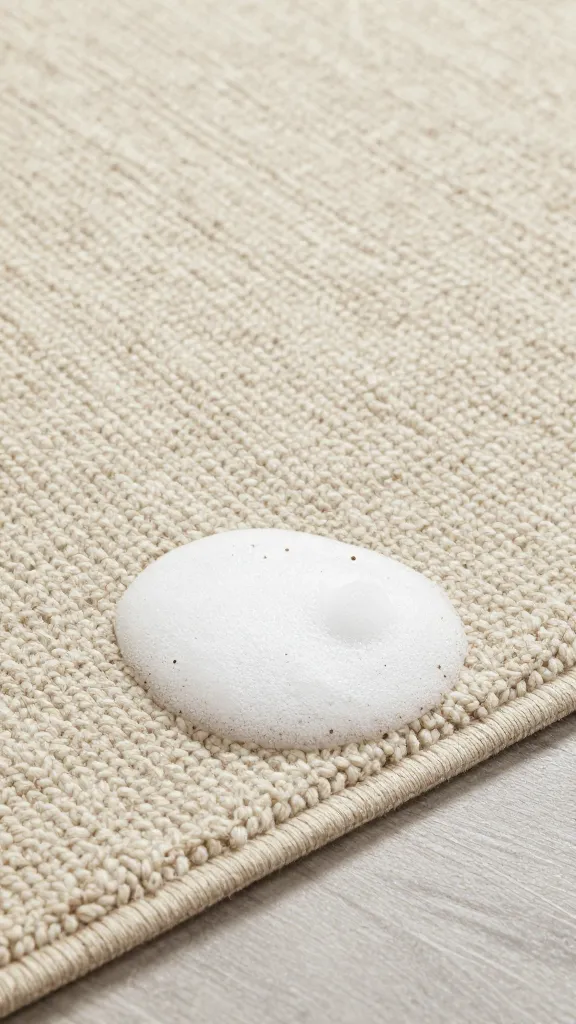
Natural plant fibers hate water almost as much as white couches hate red wine. You can still keep them nice—just go dry.
- Vacuum often: Dirt damages these fibers fast.
- Spot clean the right way: Blot spills immediately with a dry cloth. For stains, use a tiny amount of mild soap on a damp cloth, then blot dry with cornstarch or baking soda.
- Deodorize dry: Baking soda, sit, vacuum. Repeat as needed.
Stain Playbook: What Works Fast
Because life happens. Here’s the quick cheat sheet for common messes:
- Coffee/Tea: Blot ASAP. Mix 1 cup cool water + 1 tsp dish soap + 1 tsp white vinegar. Blot, rinse, blot dry.
- Red Wine: Blot like your life depends on it. Sprinkle salt to draw moisture. Then hit it with the coffee mix above. Repeat and rinse.
- Grease/Oil: Cover with cornstarch or baking soda. Let sit 15–30 minutes. Vacuum, then use a small dab of dish soap on a damp cloth.
- Pet Accidents: Blot, then enzyme cleaner. Let it sit per instructions. Rinse lightly and blot dry. FYI, regular cleaners won’t break down urine odors.
- Mud: Let it dry fully. Brush off chunks, then vacuum. Treat remaining marks with soapy water.
Optional: Deep Clean with a Carpet Machine
Got a synthetic rug and a carpet cleaner? Go for it, but keep these guardrails:
- Check fiber first: No machines on wool, silk, viscose, or natural plant fibers.
- Use the right formula: Mild, low-foam cleaner. Over-soaping = crunchy rug.
- Minimal moisture: Multiple light passes beat one swampy pass. Extract thoroughly.
- Dry fast: Fans + airflow. Lift edges so the underside dries too.
If Colors Bleed
Stop immediately. Blot, don’t smear. Rinse with cool water, then press dry with towels. In future, pre-test with a damp white cloth and see if color transfers. If yes, stick to dry methods or call a pro.
Maintenance So Your Rug Stays Clean Longer
Let’s keep future you happy.
- Vacuum weekly: Twice weekly if pets or kids treat it like a picnic spot.
- Rotate quarterly: Even out traffic paths and sun fade.
- Use rug pads: Pads cut dirt grinding and make vacuuming easier.
- Shoes off policy: Not glamorous, but wildly effective. IMO, this is the biggest game-changer.
- Treat spills immediately: Procrastination equals permanent stains.
FAQ
How often should I deep clean my area rug?
Aim for every 6–12 months for most homes. High-traffic zones or pet households benefit from quarterly light cleans and spot treatments. Keep up with vacuuming so deep cleans stay easy.
Can I use vinegar on all rugs?
Short answer: no. Vinegar works on many synthetics and cotton, but it can dull wool and damage certain dyes. Always dilute it and test first. If you smell salad dressing, you used too much.
My rug smells musty after cleaning. What now?
It didn’t dry fast enough. Move it to a well-ventilated area, run fans, and place it flat. Sprinkle baking soda once it’s mostly dry, then vacuum. In the future, extract more water and boost airflow right away.
Is steam cleaning safe for wool?
Not really. Heat and wool don’t mix well and can cause felting or shrinkage. Use cool water, wool-safe soap, and gentle blotting instead. When in doubt, call a pro for valuable wool pieces.
What if my rug sheds like crazy?
New wool and some cotton rugs shed at first—that’s normal. Vacuum gently with the beater bar off, and avoid aggressive brushing. Shedding usually calms down after a few weeks.
Can I pressure wash my outdoor rug?
You can—lightly. Keep the nozzle at a distance and use a wide spray. Overdoing it can damage fibers and backing. Rinse thoroughly and dry in the sun with good airflow.
Conclusion
Cleaning an area rug at home doesn’t need to feel like a boss fight. Know your fibers, treat stains fast, and keep moisture under control. With a little consistency—and a few towels you don’t mind sacrificing—you’ll keep your rug looking sharp, smelling fresh, and ready for whatever your living room throws at it. FYI: snacks still fall, but at least cleanup won’t stress you out.