Your top loader works hard, then quietly starts to smell like gym socks and low tide. Clothes come out “clean-ish.” Towels feel… crunchy. You don’t need a new washer—you need a real clean. Give me an hour, a couple pantry staples, and a tiny bit of elbow grease. You’ll get a fresh, stink-free machine that actually cleans your laundry again.
Why Top Loaders Get Gross (And How To Tell Yours Needs Help)
Your washer deals with dirt, body oils, detergent residue, hard water minerals—basically the worst party mix. Over time that builds into a film that traps bacteria and mold. Yikes.
Signs your machine screams “clean me”:
- Musty smell after a cycle or when you open the lid
- Gray gunk around the rim, agitator, or detergent drawer
- White flakes on dark clothes (hello, detergent residue)
- Towels that never feel fresh no matter what
If you nodded to any of those, keep reading. We’re fixing it today.
What You’ll Need (Nothing Fancy)
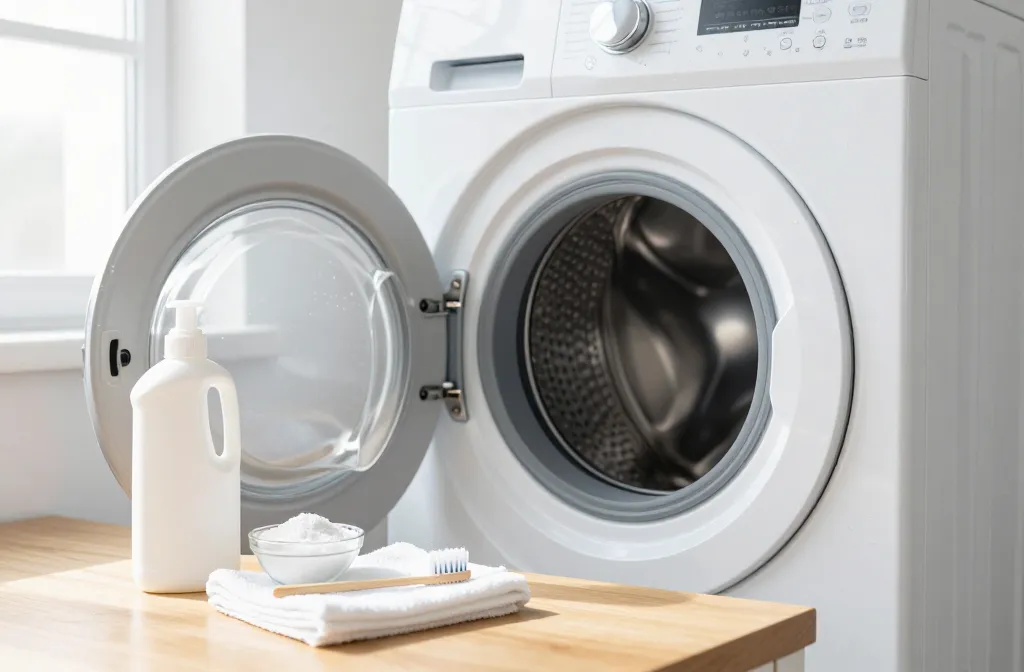
Keep it simple. You can do a solid deep clean with stuff you probably already own.
- White vinegar (1–2 cups)
- Baking soda (1/2 cup)
- Microfiber cloths or old towels
- Soft brush or an old toothbrush
- Dish soap (a few drops)
- Cotton swabs for tight crevices
- Optional: Washing machine cleaner tablets; oxygen bleach (NOT chlorine)
FYI: Check your manual for any “no-no”s. Some models recommend their own cleaner over vinegar. I’ll give options.
The Quick Prep: Empty, Wipe, and Disassemble (A Little)
You’ll get better results if you handle the easy wins first.
- Empty the tub. No clothes, no pods, no drama.
- Remove parts you can: detergent drawer, fabric softener cup, bleach cap. If they pop off, they come off.
- Soak small parts in hot water with a few drops of dish soap. Let them sit while you clean the machine.
- Wipe the rim and lid with a vinegar-damp cloth. That gunk? It’s bacteria’s cozy condo. Evict it.
The Deep Clean: Two-Cycle Method That Actually Works
We’ll use a hot cycle to dissolve buildup, then a second pass to deodorize and neutralize. No witchcraft needed.
Cycle 1: Break Down the Gunk
- Set to bulky/heavy or tub clean if your washer has it.
- Choose the hottest water and the largest load size.
- Add 1 cup of white vinegar directly into the tub (2 cups if it’s extra funky). If your manual forbids vinegar, use a washing machine cleaner tablet instead.
- Let it agitate for 1–2 minutes, then pause the cycle and let the tub soak for 30–60 minutes. This loosens residue.
- While it soaks, scrub the agitator (or impeller) and the top rim under the lid with a brush dipped in vinegar water.
- Resume and finish the cycle.
Cycle 2: Deodorize and Freshen
- Run another hot cycle, same settings.
- Sprinkle 1/2 cup baking soda into the tub. Don’t mix baking soda and vinegar at the same time—let each do its job.
- Finish the cycle. Smell test time. Better? Good.
Detail Work: The Spots Everyone Forgets
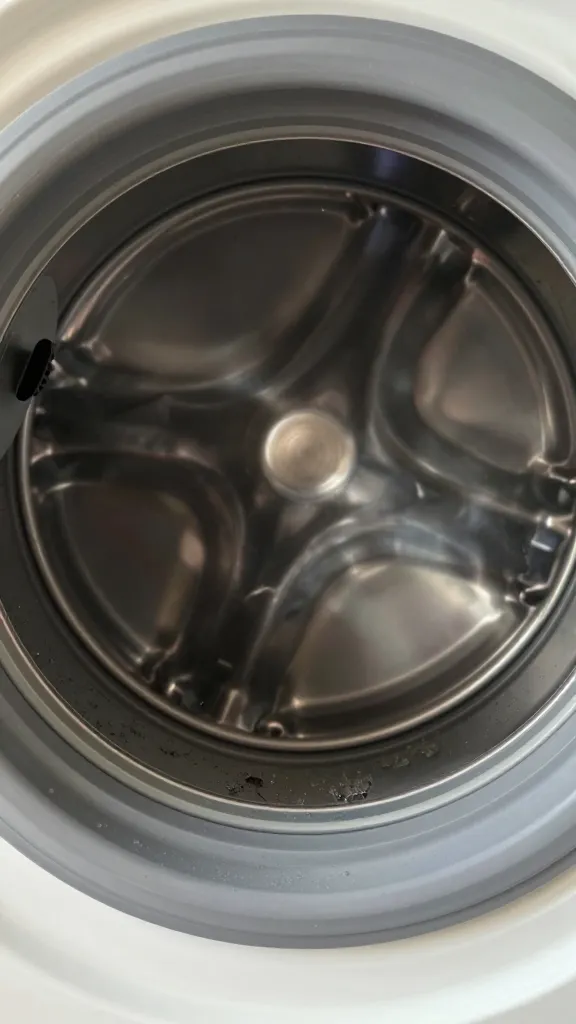
You’ll score the real “like-new” vibe when you hit the nooks.
Gasket and Rim
Yes, top loaders have crevices too. Lift the rim seal if accessible and wipe with a vinegar-damp cloth. Use cotton swabs for tight areas. You’ll pull out surprising sludge. You’re welcome—and sorry.
Dispenser Drawer and Cups
Scrub soaked parts with a brush, rinse, dry completely, and reinstall. Liquid softener loves to turn into syrupy goo. Clean it or ditch fabric softener and switch to white vinegar in the rinse compartment occasionally. IMO, towels feel fluffier without the goop.
Agitator/Impeller
Can’t remove it? No problem. Scrub around the base and any fins. If it pops off easily per the manual, pull it and clean underneath. That’s where lint parties.
Exterior and Lid
Wipe with a little dish soap and warm water. Dry with a microfiber cloth for that “just bought it” gleam. You earned it.
Hard Water? Add This Step
Mineral deposits need a slightly different approach.
- Run a hot cycle with 1/2 cup oxygen bleach (color-safe) to lift mineral and organic residue.
- Or use a descaler product designed for washing machines.
- Still seeing white flakes? Reduce detergent, switch to liquid or a HE formula, and use a water softener product if needed.
FYI: Skip chlorine bleach for routine cleaning—it can be harsh on parts and won’t dissolve soapy film as well as oxygen bleach or vinegar.
Make It Last: Easy Maintenance Routine
A little habit change saves you from doing the swamp-wash every month.
- Leave the lid open after every load so the tub dries out. Mold hates fresh air.
- Use less detergent. Modern detergents are concentrated. Start with half the cap. Your clothes and washer will thank you.
- Skip liquid softener or use it sparingly. It gunks everything up. Dryer balls or a splash of vinegar in the rinse works great.
- Monthly mini-clean: Run a hot cycle with 1 cup vinegar or a cleaner tablet. Quick wipe of the rim and dispensers.
- Clean the lint trap/filter if your model has one (check the manual). Many top loaders hide it near the agitator or drain.
- Check hoses every few months for bulges or leaks. Replace rubber hoses every 5 years. Cheap insurance against floods.
Troubleshooting Stubborn Smells
If your washer still stinks after the deep clean, don’t panic. Two likely culprits:
- Drainage issues: A partially clogged drain hose or standpipe can backflow funk. Run a spin/drain cycle, listen for sluggish draining, and inspect the hose for kinks or slime.
- Hidden biofilm: Do a second deep clean with an enzyme-based washer cleaner and a long soak. Enzymes eat the organic stuff that bacteria snack on.
Still bad? One more check: Overdosing detergent. Residue traps odors. Cut your dose in half for two weeks and see if the smell fades. It often does.
FAQ
How often should I clean a top-loading washer?
Do a quick monthly maintenance cycle and a deeper clean every 2–3 months if you wash frequently, have hard water, or use liquid softener. House full of athletes or pets? Bump it to monthly deep cleans.
Can I use vinegar and baking soda together?
You can, but they neutralize each other when combined. Better strategy: run one cycle with vinegar to dissolve residues, then a second with baking soda to deodorize. Separate = effective.
Is bleach good for cleaning the washer?
Chlorine bleach kills germs but doesn’t remove soap scum well and can be harsh on seals and metal over time. I prefer oxygen bleach or dedicated machine cleaners. If you use chlorine bleach, do it sparingly and rinse with a hot water cycle after.
What if my washer has a “Clean Washer” cycle?
Use it. Add a cleaner tablet or vinegar (if permitted by your manual), run the program, and still wipe the rim, dispensers, and agitator. The cycle helps, your hands finish the job.
Why do my dark clothes get white streaks or flakes?
That’s detergent residue and hard water minerals. Use less detergent, switch to a HE liquid, wash with warm instead of cold sometimes, and run a descaling cycle monthly until it clears up.
Can I prevent mold without leaving the lid open?
You can, but airing it out works best. If you must close it, at least wipe the rim and run a short spin to sling out leftover water. Toss in a moisture absorber nearby if your laundry room stays humid.
Wrap-Up: A Fresher Washer = Fresher Laundry
You don’t need a new machine—you just needed to show yours some love. Break down the gunk with a hot vinegar or cleaner cycle, follow with baking soda, and scrub the forgotten bits. Keep the lid open, go easy on detergent, and run a monthly mini-clean. Do that, and your washer will stop smelling like a swamp and start acting like the laundry MVP it used to be. IMO, that’s time well spent and money saved.