You look up, see grimy fingerprints and mystery smudges, and immediately regret ever touching your walls. Good news: cleaning walls doesn’t have to be a weekend-destroying saga. With the right approach, you can knock out dirt, scuffs, and stains fast—without wrecking your paint. Let’s get those walls looking fresh with minimal drama and zero ladder acrobatics.
Know Your Wall: Paint, Finish, and What You’re Dealing With
Before you scrub like you’re mad at the wall, figure out what you’re working with. Different finishes handle cleaning differently, and yes, it matters a lot.
- Flat/Matte paint: Looks sleek, scuffs easily, hates aggressive scrubbing. Be gentle.
- Eggshell/Satin: More durable, handles light cleaning well. Your best all-around friend.
- Semi-gloss/Gloss: Super durable and wipeable—common in kitchens and bathrooms.
- Wallpaper: Washable? Maybe. Check the label. If not, dust only and spot-clean very lightly.
Quick test first
Dab a hidden spot with your cleaning solution. If paint color lifts or sheen dulls, dial it way back. No one wants a bright, clean… patch.
Gather the Right Tools (No Fancy Stuff Required)
You don’t need a cleaning arsenal. Keep it simple and effective.
- Microfiber cloths or soft sponges (no abrasive pads)
- Bucket + warm water
- Mild dish soap (the gentle kind)
- Baking soda (for scuffs and stains)
- White vinegar (for grease, odors, and mild mildew)
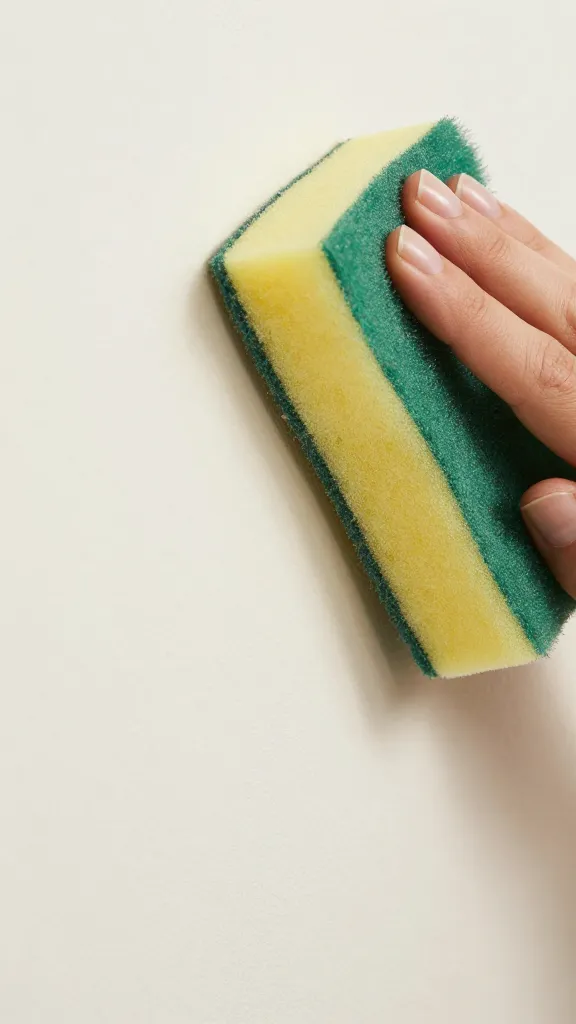
- Magic eraser (careful on flat paint—use lightly)
- Soft-bristle brush (for texture or stubborn spots)
- Drying towels (lint-free)
- Brush attachment for vacuum (optional but clutch for dust)
The Fastest Routine Clean: Top to Bottom
You can clean most walls in under 30 minutes if you move smart. Here’s the quick routine.
- Dust first. Use a vacuum brush or dry microfiber. Start at the ceiling and work down. Cobwebs? Gone.
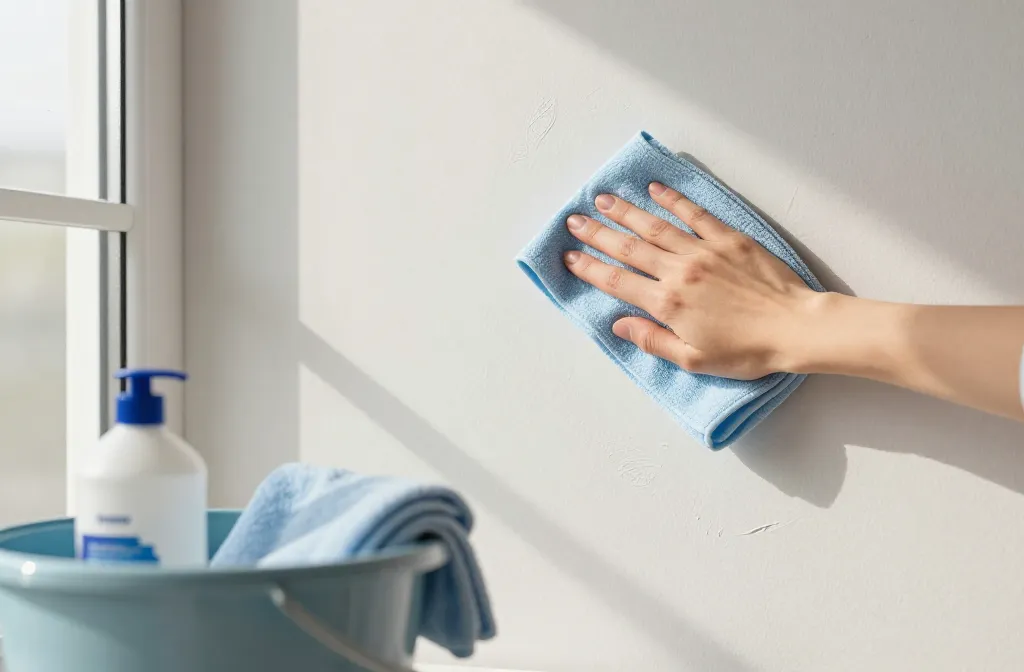
- Mix a mild solution. 1 teaspoon dish soap in a bucket of warm water. That’s it. You’re not pressure-washing a boat.
- Work in sections. About 3×3 feet at a time. Wash with a damp (not soaked) cloth, then rinse with clean water.
- Dry immediately. Blot with a towel to avoid water lines and streaks. Yes, it makes a difference.
Pro tip
Keep two cloths in hand: one soapy, one for rinse. You move faster, and your walls won’t look like they took a streaky shower.
Scuffs, Smudges, and “What Even Is That?” Spots
Let’s talk about the stuff that bugs you every time you walk past it.
- Pencil or shoe scuffs: Try a dry microfiber first. No luck? Dab a bit of baking soda paste (baking soda + water) and rub gently. Rinse and dry.
- Greasy fingerprints: Wipe with a vinegar solution (1 part vinegar to 3 parts water). Then rinse with plain water. Smell fades fast, promise.
- Crayon or waxy marks: Hit with a hairdryer for 20–30 seconds to soften wax, then wipe with dish soap solution. Magic eraser as a last resort—light pressure only.
- Makeup or sunscreen smears: Gentle dish soap mix usually works. For stubborn spots, try a tiny dab of rubbing alcohol on a cloth, test first, and don’t scrub like you’re polishing a trophy.
When to use a magic eraser
Use it sparingly and softly. It’s basically very fine sandpaper. Great on glossier finishes, risky on matte. IMO, treat it like hot sauce: a little goes a long way.
Kitchen and Bathroom Walls: Special Ops
These rooms collect the fun stuff: grease, steam, and the occasional spaghetti incident.
- Grease splatter: Mix a few drops of dish soap into warm water. For stubborn grease, add a teaspoon of baking soda or a splash of vinegar. Rinse thoroughly.
- Steam residue and streaks: Wipe with vinegar-water first, then follow with clean water to avoid dulling the finish.
- Mildew in bathrooms: Start with vinegar-water, let sit for 5–10 minutes, gently scrub with a soft brush, rinse, and dry. Increase ventilation afterward.
- Behind the stove: Use a degreasing dish soap, then finish with a rinse. Avoid harsh commercial degreasers unless paint is semi-gloss or gloss and you’ve tested.
FYI on ventilation
If your bathroom mirror fogs easily, your walls soak up that moisture too. Run the fan during and after showers. You’ll clean less often. Win.
Textured, Matte, and Tricky Surfaces
Some walls fight back. You can still win.
- Textured paint or plaster: Use a soft-bristle brush with soapy water and dab, don’t drag. Rinse with a barely damp cloth.
- Heavily matte finishes: Go ultra-gentle. Microfiber + mild soap + light pressure. If color transfers to your cloth, stop and just spot-clean.
- Wallpaper: For washable vinyl, wipe with soapy water and rinse. For paper or grasscloth, dust only and spot-clean sparingly with a barely damp cloth.
Spot-priming option
If a stain keeps bleeding through or the finish looks worn, you might need a quick touch-up with matching paint. Keep a small labeled jar on hand for emergencies. Future you will thank you.
Make It Easier Next Time: Quick Prevention Moves
Small habits save big scrubbing later.
- Wipe high-traffic zones monthly: Around light switches, door frames, and stair rails. 3 minutes tops.
- Shoes off policy: Fewer black scuffs near baseboards. Your rugs live longer too.
- Use semi-gloss in splash zones: Kitchens, kids’ rooms, entryways. Cleaning gets 10x easier.
- Keep a “wall kit” handy: Microfiber cloth, small spray bottle of mild soap solution, and a dry towel. You’ll actually use it.
Speed-Clean Game Plan: 10-Minute Reset
Got guests incoming? Here’s the rapid-fire version.
- Grab a microfiber and dry-dust from eye level down to the baseboards in entry and hall.
- Hit switch plates, door frames, and obvious smudges with soapy water on a damp cloth.
- Rinse those spots quickly and dry to avoid water marks.
- Optional: very light pass with a magic eraser on stubborn scuffs near doors. Gentle!
What to skip
Skip soaking walls, colored sponges that can bleed dye, and harsh abrasives. Also skip spiraling about perfection. Clean enough looks amazing, IMO.
FAQ
How often should I clean my walls?
Do a light dust every month in high-traffic areas and a full wipe-down twice a year. Kitchens and bathrooms might need monthly wipe-downs because steam and grease love chaos.
Can I use bleach on painted walls?
I wouldn’t unless you’re fighting serious mildew on semi-gloss paint—and only after testing. Bleach can discolor paint and wreck finishes. Try vinegar first, then a gentle cleaner. If you must use bleach, dilute heavily and rinse well.
What’s the safest cleaner for all paint types?
A small squirt of mild dish soap in warm water wins almost every time. It lifts dirt without stripping paint. Rinse with clean water and dry to prevent streaks.
Do magic erasers remove paint?
They can, especially on flat or matte finishes. Use light pressure, test in a hidden spot, and treat it like a last step for stubborn scuffs—not your main tool.
How do I handle permanent marker on walls?
Try rubbing alcohol on a cotton pad, dab gently, and rinse after. If the paint starts to lift or dull, stop. Sometimes a touch-up with matching paint beats over-scrubbing, FYI.
Why do my walls look streaky after cleaning?
Too much soap, too much water, or no rinse. Use a mild mix, wring your cloth well, rinse with clean water, and towel-dry right away. Work in small sections to keep it tidy.
Wrap-Up
Clean walls don’t need a full-on cleaning montage. Use mild soap, light pressure, and quick rinses, and focus on the high-traffic spots. Treat stains with targeted tactics, not brute force. Do a little maintenance and, boom, your walls stay bright without drama. Now go retire those mystery smudges—politely but firmly.