Hardwood floors can look like a magazine spread or a crime scene of dust bunnies and mystery smudges. The good news? You don’t need fancy gadgets or a PhD in mopping. You just need the right moves, the right products, and a little consistency. Let’s make your floors gleam without the squeaky “I used too much cleaner” soundtrack.
Know Your Wood (and Finish) Before You Clean
You can’t treat all hardwood the same, just like you can’t wear suede in a thunderstorm. The finish matters more than the wood species when you clean. Most modern floors have a polyurethane or aluminum-oxide finish; older or specialty floors may be waxed or oil-finished.
How to tell what you’ve got
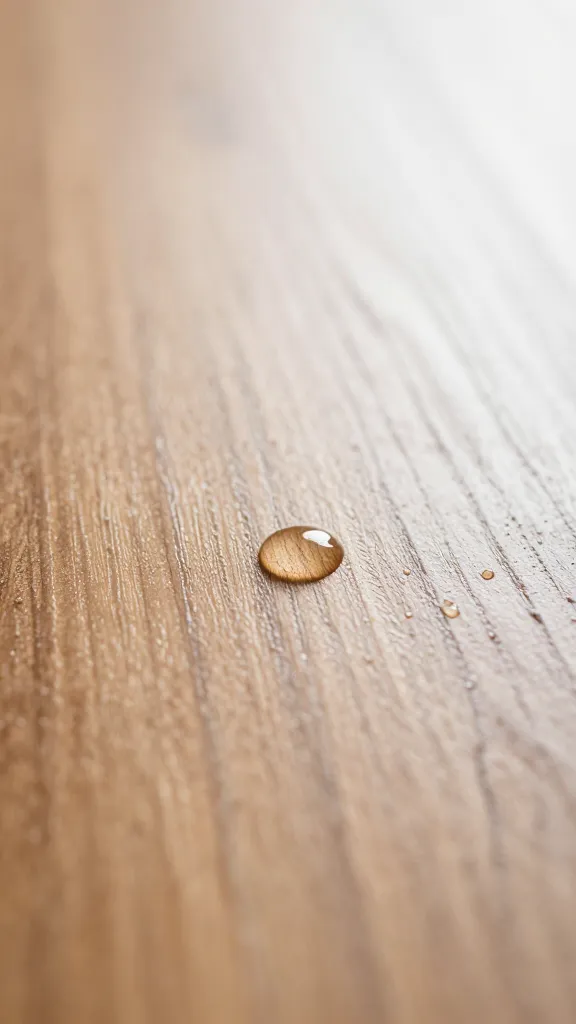
- Polyurethane/sealed: Looks glossy or satin and resists water. A drop of water beads up for a while.
- Waxed/oil-finished: More natural, matte look. Water may darken the spot quickly. FYI, these hate too much moisture.
- Unsure? Test a hidden spot with a tiny bit of water. If it clouds or darkens fast, treat it like waxed/oiled: no soaking.
Daily and Weekly Care That Actually Works
Think of grit like sandpaper under your shoes. It scratches the finish and makes your floor look tired before its time. So yeah, a quick routine makes a big difference.
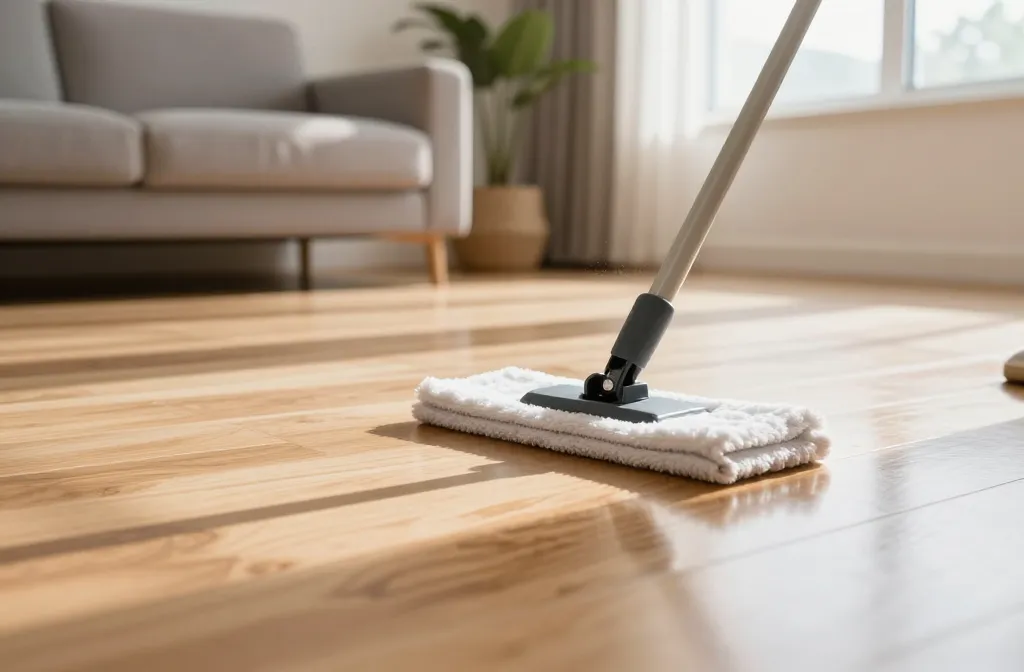
- Daily (or every other day): Dry dust with a microfiber mop. It grabs dust without pushing it around.
- Weekly: Vacuum with the hard-floor setting or a soft brush head. Avoid beater bars—they’re scratchy little vandals.
- Spot clean: Wipe spills immediately with a slightly damp microfiber cloth. Don’t let water hang out—wood hates that relationship.
Tools that won’t betray you
- Microfiber dust mop (washable pads = chef’s kiss)
- Vacuum with a soft floor head
- Trigger spray bottle (for light, even mists)
- Two microfiber cloths: one for cleaning, one for drying
The Right Way to Mop (Without Flooding Your Floor)
When you mop hardwood, the goal is “barely damp,” not “puddle party.” IMO, people over-wet more than they under-clean.
- Choose a wood-safe cleaner: Use a pH-neutral hardwood floor cleaner for sealed floors. For waxed/oiled floors, use the cleaner the manufacturer recommends. Vinegar? It’s fine for salads, not for modern wood finishes—it can dull them.
- Prep the floor: Vacuum or dust first so you’re not scrubbing grit into the finish.
- Light mist, don’t pour: Spray the cleaner lightly in sections (think 3×3 feet), or spray the mop head. No buckets sloshing around, please.
- Mop with the grain: Glide the microfiber pad with the wood grain. Flip or swap pads if they get dirty so you’re not smearing grime.
- Dry as you go: Follow with a dry cloth in high-moisture spots, especially around sinks and entryways.
For stubborn grime
- Use a little more cleaner on the spot and gently rub with a microfiber cloth.
- Grease or sticky stuff? A tiny dab of dish soap on a damp cloth, then wipe and dry. Keep it minimal—no foam party.
- Scuffs: A clean tennis ball or a melamine sponge (light pressure!) can lift black marks. Test first.
What Not to Do (Because Regret Is Hard to Refinish)
Let’s save you from the classic “why does my floor look cloudy?” crisis.
- No steam mops: Heat + moisture = finish damage and potential cupping. Looks cool, costs you later.
- No oil soaps or wax on polyurethane finishes: They cause buildup and streaks. And then your floor turns into a slip-n-slide.
- No ammonia or harsh abrasives: They dull the finish and can discolor wood.
- Don’t soak the floor: Puddles cause swelling and stains, and then we cry.
Dealing with Specific Messes and Trouble Spots
Life happens. So do pets, kids, and houseguests with salsa.
Water spots and white rings
White haze often means moisture in the finish, not the wood. Try a gentle buff with a dry microfiber cloth. If that fails, a tiny dab of mineral oil on a cloth can sometimes lift it—test first, and wipe clean after.
Sticky residue and tape gunk
Start with your regular cleaner. If it sticks around, use a small amount of isopropyl alcohol on a cloth and rub gently. Dry immediately. Repeat as needed, and yes, be patient.
Pet accidents
Blot ASAP, then clean with a hardwood-safe cleaner. For odor, use an enzymatic product safe for sealed floors. If stains seeped into gaps, you might need pro help or at least a targeted wood cleaner. FYI, area rugs with a breathable pad help a lot.
Protecting Your Floors So You Clean Less
I love a clean floor, but I love not cleaning even more. Prevention is the real MVP.
- Use doormats: One outside, one inside. They trap grit before it even thinks about your floor.
- Felt pads on furniture: Put them on everything that moves. Replace when they get dusty or fall off (rude).
- Rugs in high-traffic zones: Hallways, under dining tables, in front of sinks. Choose rug pads labeled “safe for hardwood.”
- Trim pet nails: Your dog doesn’t mean to scratch. Your cat might. Either way, shorter claws = fewer lines.
- Manage humidity: Keep indoor humidity around 35–55%. Use a humidifier in dry winters and a dehumidifier in swampy summers to prevent gaps and cupping.
Deep Cleaning and Long-Term Care
Every so often, you’ll want a refresh beyond the standard routine. No, not sanding—just a smarter clean.
Quarterly or biannual deep clean
- Move furniture (use sliders) and clean wall to wall.
- Hand-clean baseboards and edges where dust camps out.
- Use a dedicated wood floor cleaner with fresh pads and extra patience.
Recoat vs. refinish
- Recoat: When the finish looks dull but the wood shows no deep scratches. Pros can scuff and apply a fresh coat of polyurethane. Quick win.
- Refinish: When you see gray wood, deep gouges, or water damage. That’s a full sand-and-refinish job. Budget accordingly and plan a mini staycation elsewhere.
Product Cheat Sheet (Short and Sweet)
Because the cleaning aisle feels like a maze.
- Cleaners for sealed floors: pH-neutral hardwood cleaners labeled for polyurethane finishes.
- Cleaners for oil/wax finishes: Use the manufacturer’s brand; many make specific soaps and maintenance oils.
- Cloths/pads: High-quality microfiber. Wash without fabric softener so they keep grabbing dust.
- Extras: Felt pads, breathable rug pads, enzymatic pet cleaners (hardwood-safe), isopropyl alcohol for spot duty.
FAQ
Can I use vinegar and water on my hardwood floors?
You can, but I wouldn’t. Vinegar’s acidity can dull polyurethane finishes over time. Use a pH-neutral wood floor cleaner instead. Your future self will thank you.
How often should I mop hardwood floors?
Light-traffic homes can mop every 2–3 weeks. Busy homes with pets or kids might need weekly mopping. Always dust or vacuum first, and keep the mop barely damp—more isn’t better here, IMO.
Do steam mops work on hardwood?
They “work” in the same way a blowtorch melts ice—effective with consequences. Steam forces moisture and heat into seams and finish layers, which can cause warping or clouding. Hard pass.
What’s the best way to get rid of cloudy buildup?
Cloudiness often comes from residue left by oil soaps or multi-surface cleaners. Switch to a residue-free hardwood cleaner and buff with a clean microfiber pad. If the haze sticks around, you might need a professional deep clean or a recoat.
How do I clean waxed or oil-finished floors safely?
Use the brand’s recommended soap or maintenance oil. Avoid water-heavy mopping. When the finish looks tired, apply a maintenance oil or re-wax per the manufacturer’s instructions. It’s more maintenance, but the natural look slaps.
Is it normal for small gaps to appear between boards?
Yes, especially in winter when humidity drops. Keep indoor humidity between 35–55% to minimize movement. The gaps usually close again when the air gets less dry, FYI.
Wrap-Up: Shine Without the Stress
Clean hardwood floors don’t need drama—just smart habits. Dust often, mop lightly with the right cleaner, and protect the surface from grit and spills. Skip the steam and the heavy chemicals, and your floors will keep flexing for years. Do that, and you’ll spend more time admiring the glow and less time Googling “why does my floor look weird?” Win-win.