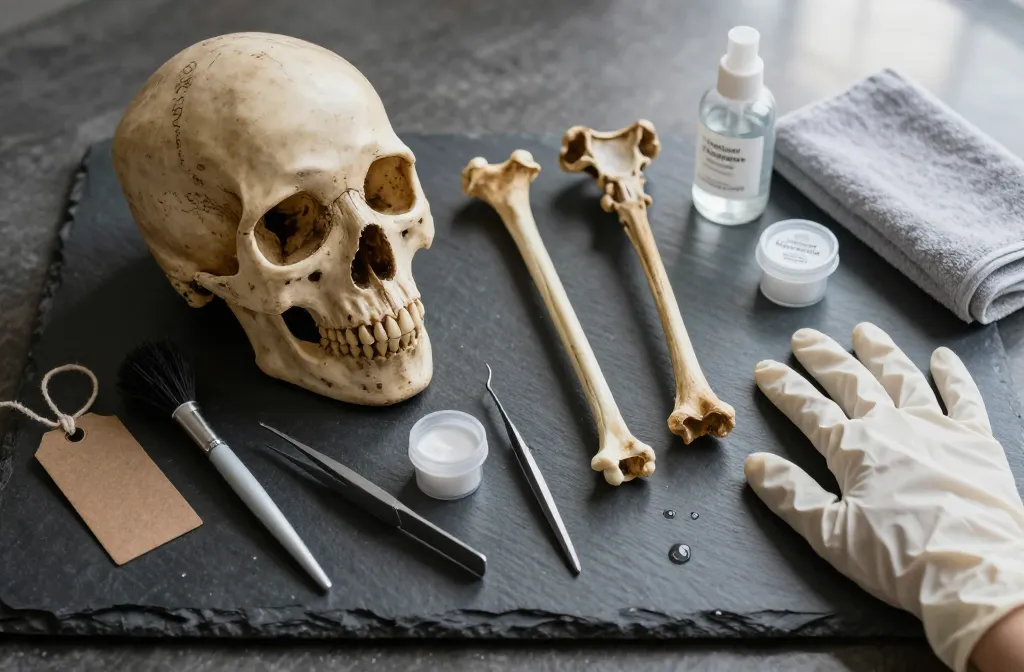
You found a bone in the woods, or maybe you saved some from a roast because, well, they looked cool. Now they’re… gross. Greasy, smelly, and not exactly display-ready. Good news: you can clean bones at home without wrecking them (or your sanity). I’ll walk you through several tried-and-true methods, what to avoid, and how to finish them so they look museum-chic instead of haunted-house.
Know Your End Goal (and Your Risks)
Before you start, decide what you want: a clean study skull, a craft piece, or a fully articulated skeleton. Different goals affect your process. Some methods get bones squeaky-white but brittle, others keep strength but take longer. Trade-offs exist—welcome to bone-nerd life.
Quick reality checks:
- Never boil hard. It cooks fats into the bone and makes it crumbly.
- Skip household bleach. It destroys collagen and leads to chalky, cracking bones.
- Use gloves and eye protection. Degreasers and peroxides don’t play nice.
- Know the law. Some wildlife bones are illegal to possess. FYI: check your local regulations.
Prep: Assess, Bag, and Tag
Start clean(ish). Remove as much flesh as you comfortably can. Use a sharp knife or scissors, not a machete cosplay. Keep small parts—teeth, tiny bones—because they love to go missing.
Smart prep tips
- Photograph the specimen from several angles. Future-you will thank you during reassembly.
- Mesh bags for small bits. Pantyhose or fine mesh keeps teeth and toe bones from vanishing.
- Label everything. Zip ties and tags make chaos manageable, IMO.
The Gentle Heavy-Lifter: Maceration (AKA Controlled Rot)
If you want clean, intact bones without harsh chemicals, maceration wins. It sounds gross because it is—but it works like magic.
How to macerate
- Container it. Use a bucket with a lid. Add the bones and cover with warm water.
- Heat helps. 85–95°F (29–35°C) speeds things up. An aquarium heater works great.
- Let bacteria feast. Wait 1–3 weeks. Replace water if it gets too funky (it will).
- Rinse gently. Use a soft brush or running water to remove loosened tissue.
Pros: Preserves delicate structures, low cost. Cons: Smells like you angered a swamp god. Do it outside or in a shed, FYI.
Disarticulation note
Joints will loosen and separate. If you need articulation later, keep track of which bone goes where. Photos and labeled bags save tears.
Dermestid Beetles: Nature’s Cleanup Crew
If you’re serious (or a bit extra), dermestid beetles clean skulls with surgeon-level precision. Museums use them. So do many taxidermists.
What you need
- A beetle colony in a ventilated, escape-proof tote or enclosure.
- Pre-dried specimens. Slightly dried tissue keeps beetles happy and reduces stink.
- Warmth and darkness. 70–80°F (21–27°C) works well.
Pros: Fast, clean, preserves tiny details. Cons: You now own a bug colony that wants to eat everything organic. Manage responsibly.
Degreasing: The Secret to Non-Yellow Bones
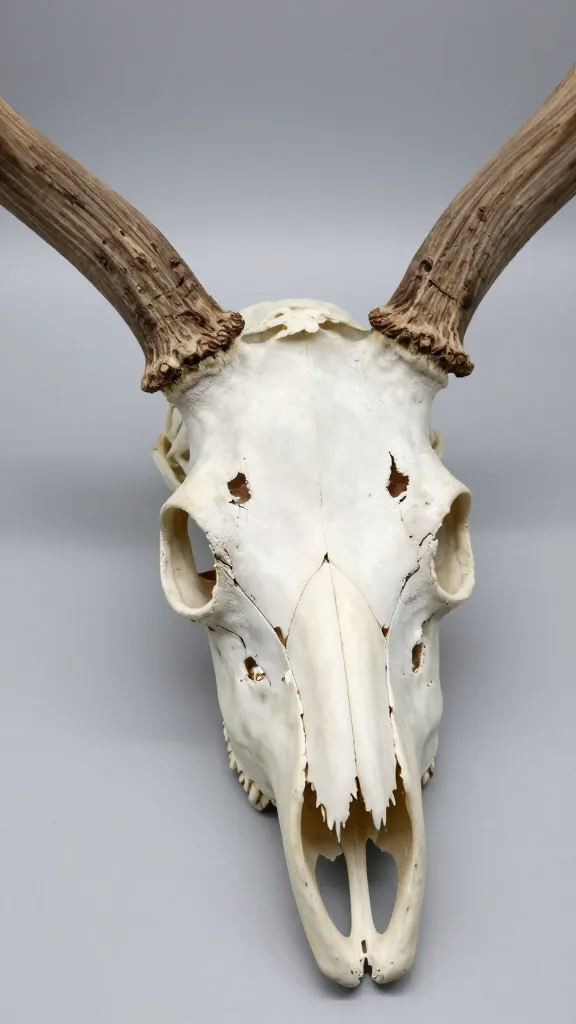
Even after flesh removal, bones often look greasy or translucent. That’s fat. If you skip degreasing, the bones will yellow and smell later. Don’t skip it.
Degreasing solutions
- Dawn dish soap + warm water: Safe and effective for most cases.
- Ammonia (clear, unscented) diluted 1:4–1:8: Faster for very greasy bones. Ventilate well.
- Specialty degreasers: Enzyme soaks or taxidermy products can help with stubborn grease.
Process
- Submerge bones completely.
- Keep warm (not hot). Swap solution every 3–7 days.
- Continue until the soak stays clear and bones look matte, not slick. This can take weeks for large skulls.
Tip: Use a white container so you can spot oil sheens easily. And test teeth—they love to pop out. Bag them.
Whitening Without Wrecking
You want bright bones, not crispy chalk. Use hydrogen peroxide, not bleach. Let me repeat that: no bleach ever.
Peroxide options
- Drugstore 3% hydrogen peroxide: Safe, slow, budget-friendly.
- 12–27% stabilized peroxide (hair developer/“basic white” + developer paste): Faster, but handle with gloves and goggles.
Method
- After degreasing, rinse bones thoroughly.
- Either submerge in 3–12% peroxide or paint on a paste for 12–27%. Keep it off metal surfaces.
- Let sit 12–48 hours until evenly white.
- Rinse well and air-dry completely.
Pro tip: If you use paste, wrap the piece in plastic wrap to keep it moist and active. Don’t let it dry crusty.
Drying, Sealing, and Long-Term Care
After whitening, let bones dry slowly at room temp for a couple of days. Direct sun can warp thin bones or pop teeth, so chill.
To seal or not to seal?
– Leave unsealed
– Seal lightly for display or high-touch items. Use a matte, archival acrylic spray or a 50/50 mix of Paraloid B-72 in acetone (museum classic). Go thin—plasticky bones are a crime.
Storage and display tips
- Keep out of humid, greasy kitchens. Bones absorb stuff.
- Use stands or cradles; don’t balance fragile skulls on teeth (ow).
- Label date, method, and origin. Future-you and curious friends will love the context.
Common Mistakes (And How to Dodge Them)
- Boiling bones: It traps grease and weakens structure. Simmering gently at most, but IMO skip heat altogether.
- Bleach baths: Bones will look great for a month, then crumble. Hard pass.
- Rushing degreasing: Yellowing returns like a bad sequel. Stay patient.
- Skipping PPE: Peroxide burns and ammonia fumes aren’t a vibe. Gloves, goggles, ventilation.
- Forgetting small parts: Teeth, ear bones, sesamoids—bag them early.
Special Cases and Quick Fixes
Not all bones behave the same. Bird bones? Hollow and fragile. Large mammal skulls? Oil factories. Adjust your approach.
Bird and small mammal bones
– Use maceration or beetles only. Aggressive handling snaps them.
– Degrease very gently with diluted Dawn; avoid strong ammonia.
Old, already-yellow bones
– Try a short degrease cycle first; then a mild peroxide soak.
– If grease keeps leaching, repeat cycles slowly. Patience beats over-whitening.
Teeth fell out—now what?
– Re-seat with a tiny dot of clear, reversible adhesive (B-72 or white PVA glue). Avoid superglue fogging on showy surfaces.
FAQ
Can I just simmer the bones to speed things up?
Short answer: you can, but you’ll regret it. Heat drives fats into the bone matrix and weakens everything. If you insist, keep it just-below-simmer and only for tough sinew, then degrease forever. Better approach: maceration or beetles for clean, strong results.
What concentration of hydrogen peroxide is safest?
3–12% works great for most cleaning. It’s slower but kinder. If you use 12–27% developer, handle it carefully and monitor whitening closely. Rinse thoroughly and never mix peroxide with other cleaners. Safety first, museum bones second.
How do I kill odors that linger after cleaning?
Odor usually means leftover grease or trapped tissue. Run another degrease cycle with warm Dawn or diluted ammonia. After that, a fresh peroxide soak helps. Dry thoroughly in circulating air. Activated charcoal nearby can absorb residual smells, FYI.
Can I clean roadkill bones legally?
Sometimes yes, sometimes very no. Laws differ wildly by species and location. Migratory birds and many protected animals are off-limits. Always check state and federal regulations before you collect anything. When in doubt, leave it—or contact local wildlife authorities.
My bones turned chalky and flaky. What happened?
Likely bleach exposure or overcooking. The collagen network degraded, so the bone lost strength. You can stabilize lightly with a consolidant like dilute B-72, but you can’t fully reverse the damage. Next time, avoid bleach and hard boiling like your bone’s life depends on it—because it does.
How long does the whole process take?
Plan on weeks, not days. Maceration: 1–3 weeks. Degreasing: 2–8+ weeks depending on species (bear skulls are legendary). Whitening: 1–2 days. Drying and finishing: a few more days. It’s a slow hobby with very satisfying payoffs—like bonsai, but goth.
Conclusion
Bone cleaning sounds intimidating, but you can nail it with patience, warm water, and a healthy fear of bleach. Choose a method that fits your space and goals, track the tiny parts, and respect the science. Do it right and your bones will look crisp, clean, and ready for display—IMO, nothing beats that reveal when yellow turns to creamy white. Go forth and de-grease like a pro.