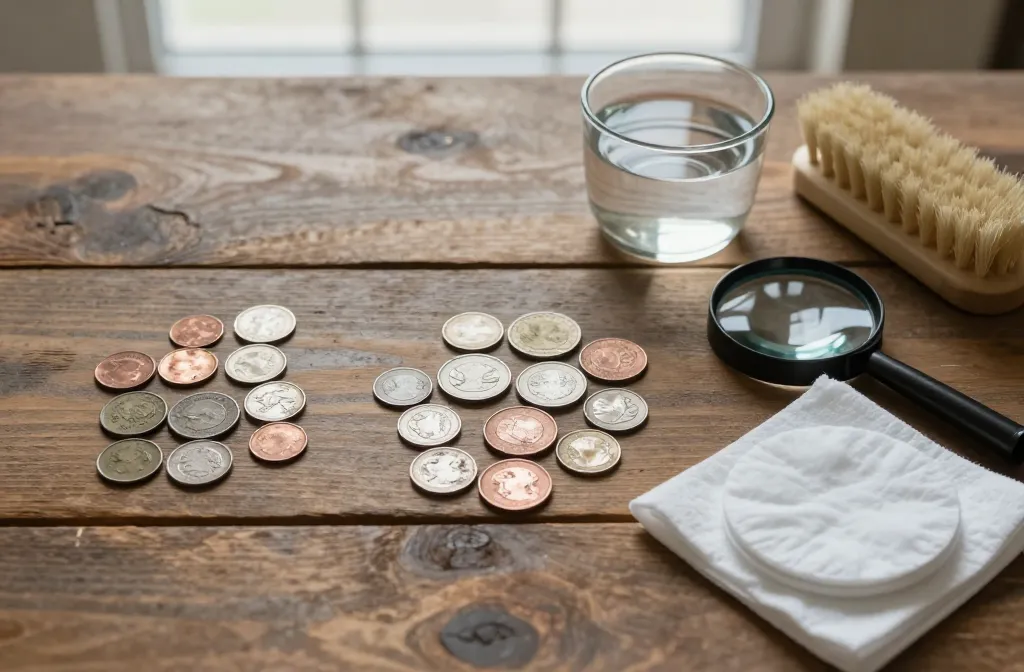
You found a handful of coins that look like they survived a small apocalypse. Do you scrub them till they shine or leave the “vintage vibes” alone? Great question. The answer depends on what those coins are, what you want to do with them, and how much elbow grease you feel like donating today. Let’s get into the right way to clean coins—without wrecking their value or your Saturday.
First, decide if you should even clean them
Rule number one: if a coin has collector value, don’t clean it. You can nuke its value faster than you can say “polish.” Collectors love original surfaces and natural toning. Cleaned coins often look too shiny, with hairlines and a weird flatness.
So how do you know? If the coin’s old, rare, or you suspect it might matter to collectors, get it appraised or ask online. Post good photos to a coin forum. FYI, the numismatic crowd can spot cleaned coins from across the room.
Identify the coin: metal, age, and grime type
You can’t clean everything the same way. Different metals react differently to chemicals and abrasives. Do a quick ID:
- Copper and bronze: Super sensitive. They stain easily and develop black spots. Go gentle.
- Silver: Tarnish can look cool. Harsh cleaners leave hairlines and kill value.
- Nickel: Sturdy, but abrasives still scratch it.
- Modern clad coins (quarters, dimes, etc.): Usually safe to clean if they’re just pocket change.
Also ask: is it dirt, oxidation/tarnish, or gunk (gum, tape, soda syrup)? Dirt comes off easily. Tarnish and corrosion? Different story.
Safe methods for pocket change and non-collectible coins
If your coins only hold coffee money value, you’ve got options. Use these gentle methods first:
1) Warm water and mild soap
- Fill a bowl with warm water and a drop of mild dish soap.
- Soak coins for 10–15 minutes.
- Rub lightly with your fingers or a soft microfiber cloth. No scrubbing pads. Ever.
- Rinse with clean water and pat dry—don’t rub.
This removes fresh grime and sticky residue without drama.
2) Distilled water soak (for older grime)
- Use distilled water to avoid minerals that can spot or stain.
- Soak for a few hours to a couple of days, changing the water daily.
- Blot dry with a soft cloth or let air-dry on a clean towel.
IMO, this is the safest method for uncertain coins you still want to freshen up.
3) Baking soda paste for modern coins only
- Make a thin paste with baking soda and water.
- Gently rub between your fingers. Minimal pressure. Think “spa day,” not “sanding a deck.”
- Rinse thoroughly and blot dry.
Important: Do this on circulating modern coins you plan to spend or toss in a jar. It can leave micro-scratches that collectors loathe.
4) Vinegar or lemon juice (use with caution)
- These are acids. They’ll cut oxidation fast, but they can also etch the surface and change color.
- If you must, dilute 1:3 with water and test for 30–60 seconds max.
- Neutralize with a baking soda rinse, then rinse with water and dry.
Honestly? I’d skip this on anything older than yesterday’s lunch. FYI, copper coins can turn weird shades after acid baths.
What to avoid unless you like regrets
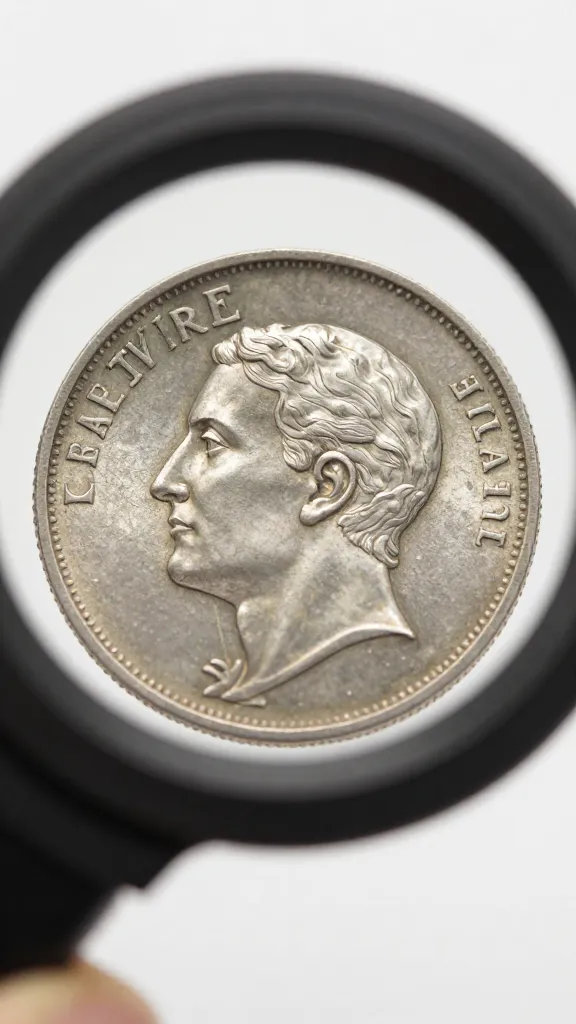
- Abrasives: Steel wool, toothpaste, scrubbing pads. They scratch. Micro-scratches scream “cleaned.”
- Harsh chemicals: Bleach, ammonia blends, jewelry dips. They strip original surfaces and cause uneven toning.
- Ultrasonic cleaners: They shake loose dirt, but they also highlight hairlines and stress weak coins.
- Polishing cloths: Great for grandma’s silverware, terrible for coins.
Special scenarios and smarter workarounds
Removing sticky gunk (tape, gum, glue)
- Try a warm soapy water soak first.
- If that fails, use a small amount of mineral oil or isopropyl alcohol on a cotton swab. Test a tiny area first.
- Rinse with distilled water and blot dry.
Dealing with dirt in crevices
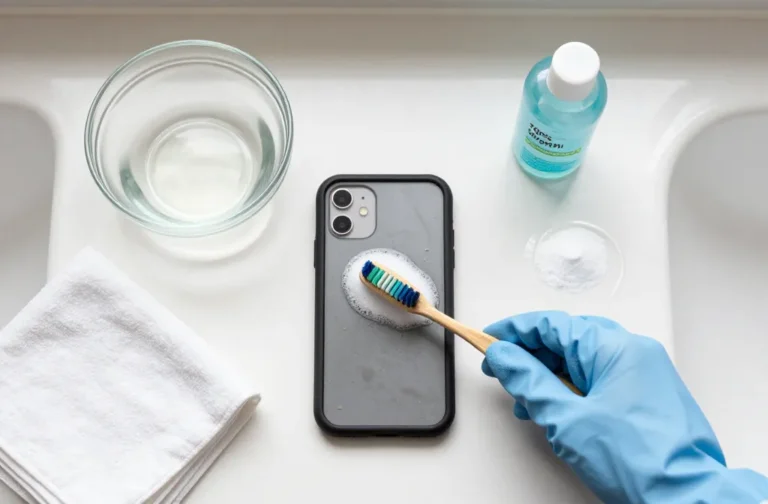
- Use a soft-bristle brush (baby toothbrush or artist brush) and soapy water.
- Light, circular motions. No pressure. Your goal is dislodging, not sanding.
- Rinse thoroughly to prevent soap residue.
Green or powdery corrosion (especially on copper)
That green fuzz? It’s often bronze disease
- Soak in distilled water for several days, changing daily.
- Gently dab with a wooden toothpick to lift softened corrosion. Don’t gouge.
- Dry thoroughly. Store in a low-humidity environment.
Serious cases need conservation, not kitchen chemistry.
Cleaning silver coins: keep the character
Silver likes to tarnish. Sometimes that bluish or golden toning looks gorgeous. Don’t strip it unless you hate nice things. If you decide to clean modern silver change:
- Use warm soapy water and a soft cloth. Rinse well.
- A long distilled water soak can ease dirt without flattening the luster.
- Avoid chemical dips. They over-brighten and leave that “dipped and dull” look.
Collectors judge silver harshly. When in doubt, leave it.
Handling, drying, and storing after cleaning
Hold coins by the edges. Finger oils stain. I know it’s tempting to pinch the face—don’t. Use nitrile gloves if you’ve got them.
- Rinse thoroughly after any cleaning method to remove residue.
- Pat dry with a lint-free cloth or let air-dry on a clean towel. No rubbing marathons.
- Store smart: Mylar flips or non-PVC holders, silica gel in the drawer, stable temp, low humidity.
IMO, good storage saves more coins than any cleaning trick ever will.
FAQ
Will cleaning always lower a coin’s value?
For collectible coins, almost always. Collectors prize original surfaces and natural toning. Even light cleaning can leave hairlines or a “too bright” look. Circulating pocket change? Clean away—it’s worth face value, not museum money.
How do I tell if a coin is valuable before I clean it?
Check the date, mint mark, and condition. Look for key dates and errors. Compare with a price guide or ask a coin forum for a quick sanity check. If something feels rare or oddly pristine, don’t touch it until someone knowledgeable weighs in, FYI.
Can I put coins in the dishwasher?
Technically you can also put shoes in there, but should you? Hard no. Heat, detergents, and tumbling will scratch and discolor coins. You’ll end up with “clean” coins that look like they lost a bar fight.
What about using olive oil for soaking?
Olive oil softens grime, but it leaves a residue that seeps into pores and darkens copper over time. If you need an oil, choose mineral oil sparingly, then remove it completely with isopropyl alcohol and rinse with distilled water.
Is vinegar safe for pennies?
It “works,” but it’s risky. Vinegar strips oxidation and can over-etch copper, leaving an unnatural pink tone. If you try it on modern pennies, keep it short and neutralize afterward. For anything remotely collectible, skip it.
What’s the best method for coins found metal detecting?
Start super gentle: distilled water soaks and soft-bristle brushes. Soil chemistry can make coins fragile, especially copper and silver. Clean in stages, take photos, and stop if surfaces start to smear or flake. Then ask the detecting or coin community before going further.
Conclusion
Cleaning coins isn’t rocket science, but it does demand restraint. Figure out the coin’s value first, then use the least aggressive method that gets the job done. For pocket change, soap and water win. For anything interesting, patience and caution beat shiny-everything energy. Your future self—and maybe a future collector—will thank you.