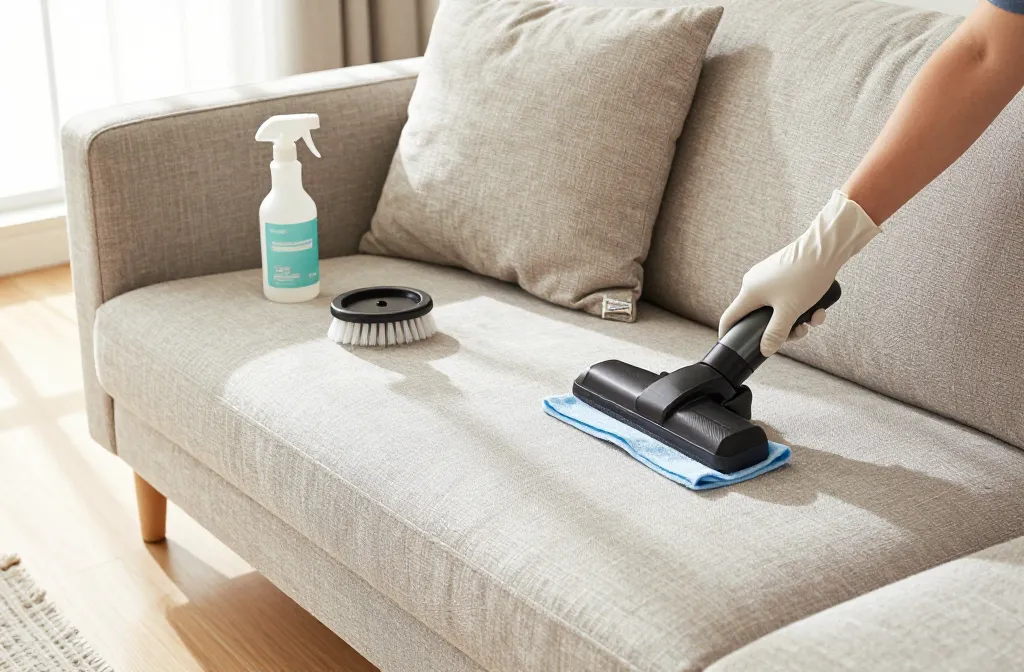
Your couch sees everything: movie marathons, midnight snacks, the occasional nap that “wasn’t a nap.” It deserves better than crumbs, mystery stains, and pet glitter (aka fur). Good news—you don’t need a hazmat suit to clean it. You just need a plan, a few supplies, and about an hour. Let’s turn that tired sofa into something you’re proud to flop on.
Know Your Fabric (and What Those Codes Actually Mean)
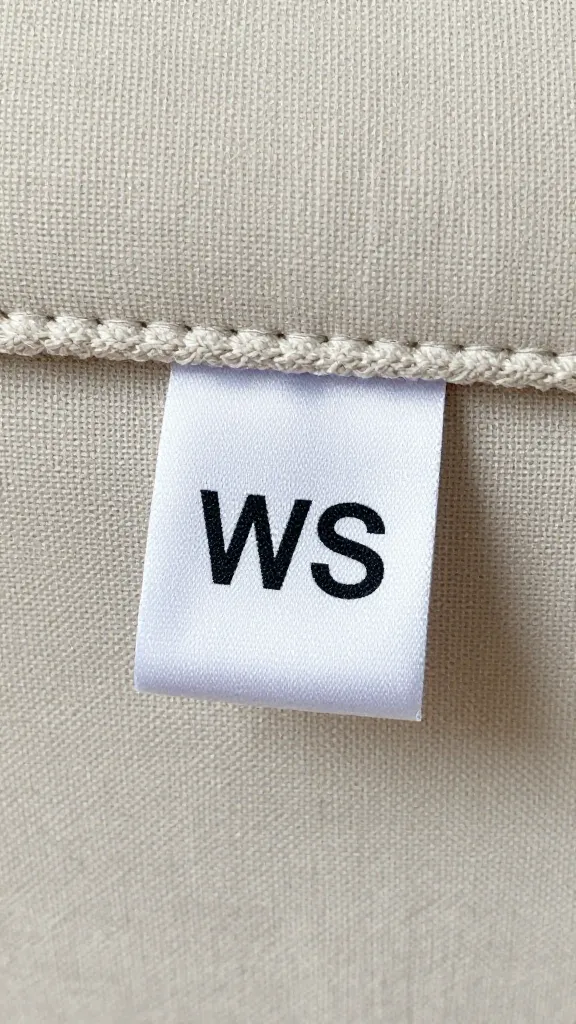
Before you spray anything, check the tag. It hides under the cushions or underneath the frame like a shy gremlin. Those letters? They matter a lot.
- W: Water-based cleaners are safe. Easy mode.
- S: Solvent-based cleaners only. No water. We’re getting fancy.
- WS: Water or solvent works. Choose your own adventure.
- X: Vacuum only. Do not get it wet, Gremlin rules.
No tag? Do a quick spot test on a hidden area before committing. If the fabric darkens, bleeds dye, or feels crunchy after drying—abort mission and adjust tactics.
Gather Your Gear Without Overcomplicating It
You don’t need a cleaning closet that looks like a chemistry lab. A few basics handle most messes.
- Vacuum with upholstery tool (and crevice tool if you’re feeling thorough)
- Microfiber cloths and a soft brush
- Spray bottle
- Mild dish soap (clear if possible) and white vinegar
- Rubbing alcohol or commercial solvent cleaner (for S/WS fabrics)
- Baking soda (odor control MVP)
- Enzyme cleaner (for pet/food messes—trust me)
FYI: Skip colored cloths that might bleed. And no, your all-purpose kitchen spray doesn’t count. It can leave residue or discolor fabric.
Start Clean: Vacuum Like You Mean It
Vacuuming does 80% of the work. Really. It lifts dirt that grinds into fibers and makes stains cling.
- Remove cushions and vacuum every surface, including sides and seams.
- Use the crevice tool for the “how did popcorn get here?” gaps.
- Brush stubborn lint or pet hair with a dry rubber glove or lint brush.
Deodorize with Baking Soda
If the couch smells like last weekend’s nachos, sprinkle a generous layer of baking soda over the fabric. Let it sit 20–60 minutes, then vacuum again. It won’t fix stains, but it freshens things up fast.
Mix the Right Cleaner (Based on Your Fabric)
We’re not making potions—just gentle, effective mixes you can trust.
For W or WS Fabrics
Use a water-based solution:
- Basic: 2 cups warm water + 1 teaspoon mild dish soap
- Deodorizing: 2 cups warm water + 1 tablespoon white vinegar + 1 teaspoon dish soap
Lightly mist the cloth (not the couch) to avoid saturating the fabric.
For S or WS Fabrics
Use rubbing alcohol or a solvent upholstery cleaner. Pour into a spray bottle, mist onto a cloth, and dab. Alcohol evaporates quickly, which prevents water rings and drama.
For X Fabrics
Vacuum only. If there’s a stain, call a pro or spot test a dry-cleaning sponge. IMO, X is the universe telling you to be careful.
Attack Stains Strategically (So You Don’t Make Them Worse)
Blot—never rub. Rubbing spreads stains and roughs up the fibers. Work from the outside in like a civilized person.
General Stain Routine
- Blot up any liquid with a dry cloth.
- Apply the right cleaner to your cloth (not the couch).
- Dab gently and lift the stain. Patience beats scrubbing.
- Rinse cloth with clean water and dab to remove residue (W/WS only).
- Blot dry with a towel.
Targeted Fixes
- Grease/Oil: Sprinkle cornstarch or baking soda. Let sit 15 minutes, vacuum, then treat with a tiny drop of dish soap solution (W/WS) or alcohol (S/WS). Repeat if needed.
- Coffee/Tea: Dab with soapy water (W/WS). If it lingers, add a splash of vinegar to your mix.
- Wine/Juice: Blot ASAP. Use soapy water for W/WS; use alcohol for S/WS. Enzyme cleaner can help for stubborn sugars.
- Ink: Lightly dab with alcohol (S/WS). Do not flood it. Tiny circles, fresh cloth sections.
- Pet accidents: Enzyme cleaner is king. Saturate the spot (per label), let it sit, then blot. Repeat to fully kill odor.
- Makeup: Dish soap for W/WS; alcohol for S/WS. Blot, don’t smear.
Deep Clean the Entire Couch (When It Needs More Than a Touch-Up)
Sometimes your sofa needs spa day energy. Here’s a safe approach.
For W/WS Fabrics: Light Extraction
- After vacuuming, mist a soapy water solution over one cushion or panel at a time.
- Gently agitate with a soft brush. Don’t scrub like you’re mad at it.
- Wipe with a damp cloth to remove soap residue.
- Blot dry with towels and let air-dry completely.
If you own a small upholstery extractor, go for it—just use minimal solution and extra dry passes. Over-wetting causes water rings and funk.
For S Fabrics: Solvent-Only Refresh
- Lightly mist a microfiber cloth with rubbing alcohol or solvent cleaner.
- Wipe evenly across panels to avoid tide marks.
- Brush fibers in one direction as it dries for a uniform look.
Drying Matters (A Lot)
- Open windows or run a fan. Airflow = fewer water marks.
- Keep cushions upright or on their sides so air reaches all surfaces.
- Don’t sit until it’s fully dry. Wet cushions + body heat = regret.
Handle Odors Like a Pro (Not with Overpowering Sprays)
You can’t Febreze your way out of everything, sorry. Remove the source first.
- Enzyme cleaner for pet or food odors. It actually breaks down odor-causing proteins.
- Vinegar solution (lightly!) for general funk on W/WS fabrics, followed by a plain-water wipe.
- Baking soda overnight for stubborn smells, then vacuum thoroughly.
When Cushions Have Removable Covers
Lucky you. Check the tag inside the cover.
- If it says machine washable, zip them up and wash cold, gentle cycle. Air-dry only.
- If not, stick to spot cleaning and the methods above. Shrinkage is not a vibe.
Quick Maintenance Routine (Because Future You Will Thank You)
Small habits keep your couch from turning into a biohazard.
- Weekly: Vacuum quickly, fluff cushions, rotate if possible.
- Monthly: Baking soda deodorize and spot check for stains.
- Seasonally: Do a full clean based on fabric type.
- Immediately: Blot spills. Don’t “deal with it later.” Later always looks worse.
FAQ
Can I use a steam cleaner on my couch?
Only if your couch label says W or WS and the manufacturer allows it. Even then, go light. Too much moisture can cause water stains, shrinkage, or that delightful musty smell. IMO, a small upholstery extractor with controlled moisture beats full-on steaming for most fabrics.
What if my couch doesn’t have a fabric code?
Assume caution. Spot test water and alcohol on hidden areas and see how the fabric behaves when dry. If either leaves a ring or changes texture, call in a pro or use dry upholstery sponges. Better safe than a splotchy sofa.
How do I get rid of water rings?
Evenly re-wet the area with a damp cloth (W/WS only), then blot and dry with airflow. You basically reset the moisture so it dries uniformly. If it’s still visible, a gentle overall clean of that panel typically blends it out.
Is vinegar safe for all fabrics?
Nope. Use vinegar only on W or WS fabrics, diluted properly. Never on S or X fabrics. Also, don’t go overboard—vinegar is acidic and can dull certain finishes if you saturate it.
What’s the best way to handle pet hair?
Vacuum with an upholstery tool first. Then use a slightly damp rubber glove or a fabric brush to lift what’s left. For daily maintenance, a lint roller nearby works wonders. Pet throw blankets help too—stylish and strategic.
Why does my couch look worse after cleaning?
Usually over-wetting, leftover soap, or uneven drying. Rinse with a clean, damp cloth (W/WS), blot thoroughly, and dry with fans. For S fabrics, re-wipe with alcohol to even out the panel and brush the nap in one direction.
Conclusion
You don’t need magic to clean couch fabric—just the right approach for your material, a little patience, and a few cheap supplies. Tackle crumbs and stains fast, clean evenly, and dry completely. Do that, and your sofa stops shouting “I host chaotic snacks” and starts whispering “I’m classy, sit on me.” FYI: future you will brag about how good it looks.