Your front loader smells funky? Clothes coming out “clean-ish” instead of clean? Let’s fix that. Front loaders make laundry day easy, but they also trap moisture and detergent gunk like it’s their hobby. The good news: you don’t need fancy products or a weekend to get it back to fresh. Grab a few basics, follow this routine, and your washer will stop acting like a swamp in disguise.
Why Front Loaders Get Gross (And How To Outsmart Them)
Front loaders seal tight. That’s great for water efficiency, not so great for airflow. Moisture lingers, detergent builds up, and bacteria throw a party in the dark.
You can beat this with two simple habits: use less detergent and let the machine dry out. The rest? Just maintenance you can knock out in under an hour, tops.
What You’ll Need (Nothing Fancy)
Supplies:
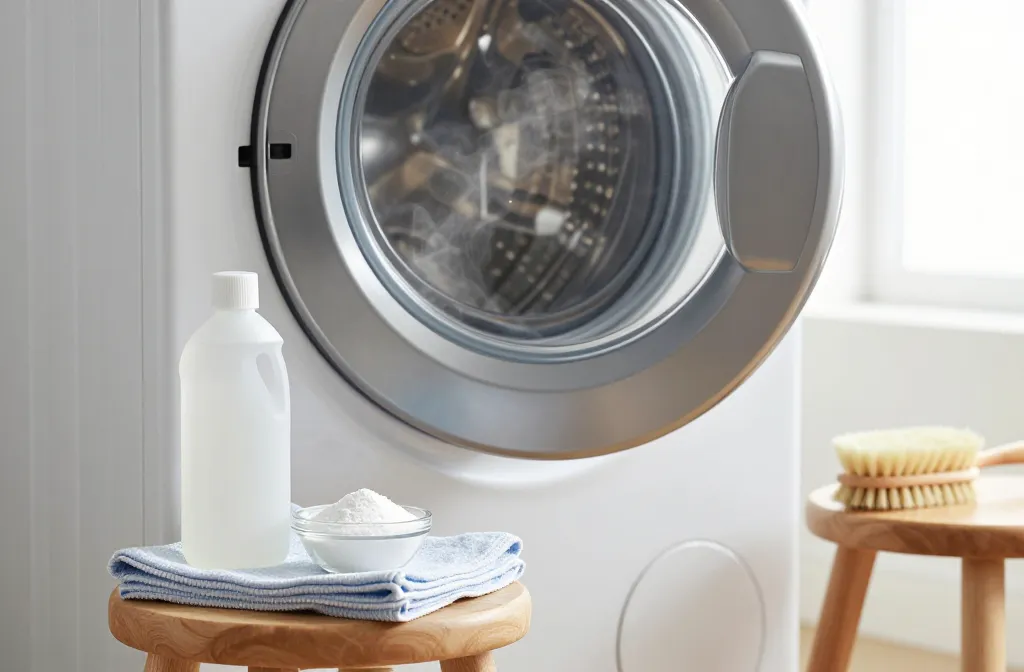
- White vinegar (distilled) – deodorizes and dissolves minerals
- Baking soda – scrubs and neutralizes smells
- Microfiber cloths or old towels
- Soft brush or old toothbrush
- Dish soap (a few drops)
- Optional: 3% hydrogen peroxide for stubborn mildew, machine cleaner tablets if you prefer
- Rubber gloves (if you’re squeamish, no judgment)
Pro tip: Avoid bleach for routine cleaning. It kills mold, but it doesn’t dissolve the gunk mold lives in. Vinegar and elbow grease work smarter.
Step-By-Step: Deep Clean That Front Loader
We’ll start with the biggest offenders: the gasket, the detergent drawer, then the drum. After that, we’ll tackle the drain filter (aka the lint/coin museum).
1) Scrub the Door Gasket (That Rubber Ring)
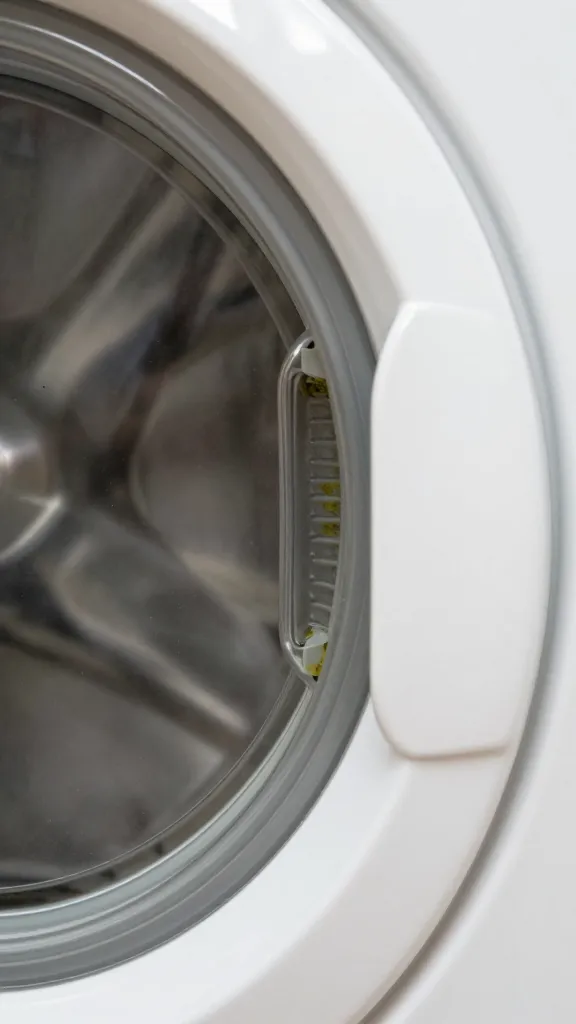
This spot traps hair, lint, detergent slime, and socks, because of course it does.
- Power off the washer. Open the door and peel back the rubber gasket gently. You’ll see a little channel—gross, right?
- Wipe out debris with a dry cloth first.
- Mix warm water with a few drops of dish soap and a splash of vinegar.
- Scrub the gasket and its folds with the cloth and toothbrush. Hit the bottom fold—mildew loves it there.
- For stubborn spots, dab with hydrogen peroxide, wait 5 minutes, then wipe clean.
FYI: If you spot standing water in the gasket often, you’re using too much detergent or overloading.
2) Clean the Detergent Drawer
Detergent and fabric softener leave sticky residue that loves mold.
- Pull the drawer out. Most slide right out; some have a release tab. Check the manual if it resists.
- Soak the pieces in hot water with a bit of dish soap for 10–15 minutes.
- Scrub crevices and the drawer slot with a toothbrush. Rinse well and dry.
- Reinstall the drawer once everything’s totally dry.
3) Run a Hot Cleaning Cycle
You want heat to melt residue and vinegar to dissolve it.
- Set the washer to the hottest, longest cycle (sanitize if you’ve got it). No clothes.
- Pour 2 cups of white vinegar directly into the drum.
- Start the cycle and let it run.
- Optional extra: After it finishes, sprinkle 1/2 cup baking soda into the drum and run a short hot cycle for deodorizing.
IMO: Vinegar and a hot cycle beat most store-bought cleaners for routine jobs. Tablets are fine as a backup.
4) Wipe the Drum, Door, and Seals
When the cycles finish, wipe down:
- Inside the drum (to catch loosened residue)
- Inside the door glass (detergent film builds here)
- Around the door latch and hinges
Use a microfiber cloth slightly dampened with vinegar water. Dry everything afterward.
5) Clean the Drain Pump Filter (Do Not Skip This)
This filter catches coins, hairpins, lint, and mystery goo. A clogged one causes smells and poor draining.
- Unplug the machine. Safety first.
- Locate the filter access panel at the bottom front (usually right corner). Put a shallow pan or towel underneath.
- Open the panel. Some models have a little drain hose—pull the plug and drain the water first. Then unscrew the filter cap slowly.
- Remove debris, rinse the filter under hot water, scrub with toothbrush if needed.
- Wipe inside the filter housing, reinsert the filter, and close everything up.
Note: If you hear coins in the spin cycle, this filter probably needs you yesterday.
Weekly and Monthly Habits That Keep It Fresh
You don’t need to deep clean every week. Just lock in a few easy moves.
After Every Wash Day
- Leave the door and detergent drawer open until everything dries. Airflow is your friend.
- Use the right detergent: HE (high-efficiency) only, and use less than you think. Too many suds = residue city.
- Skip fabric softener or use way less. It creates sticky film. Try wool dryer balls instead.
Once a Month
- Run a hot vinegar cycle (or a machine cleaning tablet if you prefer).
- Wipe the gasket and door glass.
- Check the drain filter, especially if you have pets or kids (aka glitter factories).
Detergent Do’s and Don’ts (Because It Matters A Lot)
Use less. Seriously. Most people double the amount they need. Your washer recirculates a tiny amount of water, so extra soap never rinses out.
- Follow the HE line. If your load’s not disgusting, use half the recommended amount.
- Powder vs. liquid? Powder leaves less sticky film in many machines, especially in hard water.
- Pods are fine, but only one pod per normal load. Two pods = residue and stink.
- Hard water? Consider a water softener or add a bit of washing soda to improve rinse-out.
When You Need Heavy Artillery
Sometimes the funk digs in. You’ll know if smells return fast.
Signs You Need a Bigger Clean
- Black specks on the gasket keep coming back
- Drum smells even after a hot cycle
- Slow draining or “SUD”/“ND” errors on the display
What To Try Next
- Soak the gasket with vinegar-soaked towels for 30 minutes, then scrub.
- Run a hot cycle with a commercial washer cleaner (Affresh, Tide, etc.).
- Check the drain hose for kinks or partial clogs.
- If your machine has a clean-out trap behind a rear panel, consult the manual before diving in.
FYI: If water sits in the drum between cycles, the pump or pressure sensor might need service.
Quick Troubleshooting: Smells, Suds, and Streaks
Problem: Clothes smell musty after washing.
- Use less detergent and switch to hot water occasionally.
- Run a cleaning cycle and dry the machine with door open.
- Clean the drain pump filter.
Problem: Gray streaks or oily spots.
- Too much softener or detergent. Cut amounts in half.
- Wipe the door gasket and drum regularly.
- Use a powder detergent for a few loads to purge residue.
Problem: Excess suds or “SUD” error.
- Wrong detergent or too much. Use HE only and reduce dose.
- Run an extra rinse. Add a cup of white vinegar to the rinse to break suds.
FAQ
Can I use bleach to clean my front loader?
You can, but use it sparingly. Bleach kills mold, but it doesn’t remove the residue that feeds it. For routine maintenance, vinegar and hot water work better. Save bleach for occasional disinfecting or if someone’s been sick.
How often should I clean the washer?
Do a quick wipe weekly on the gasket and door, and a hot cleaning cycle monthly. Clean the drain pump filter every 1–3 months depending on use. If you run lots of cold washes or use softener, clean more often.
Is vinegar safe for my machine?
Yes, in normal amounts. Two cups per cleaning cycle is fine. Don’t soak rubber parts in straight vinegar for hours; quick contact is okay. If your manufacturer explicitly forbids vinegar, use a washer cleaning tablet instead.
What if my washer still smells after cleaning?
Check the drain pump filter and the drain hose for clogs. Make sure you leave the door and drawer open to dry. Switch detergents, cut amounts, and try a commercial cleaner. If smells persist, you may need a tech to inspect the pump, internal hoses, or tub seal.
Do I really need HE detergent?
Absolutely. HE detergents produce fewer suds and rinse out in low water volumes. Regular detergent over-suds and leaves residue behind, which equals smells, film, and sad laundry.
Can I prevent mold completely?
You can get very close. Use less detergent, avoid softener buildup, keep the door and drawer open, and clean monthly. Mold loves moisture and residue; starve it and it won’t show up to the party.
Wrap-Up: A Fresh Washer Without the Drama
Front loaders only get funky when we feed them too much soap and too little air. Keep the door cracked, clean the gasket and drawer, run a monthly hot cycle with vinegar, and clear the filter every so often. That’s it. Do those, and your washer will smell like nothing—which, IMO, is the best scent in laundry.