Your wood kitchen cabinets work hard. They catch grease, fingerprints, splashes, and that mysterious sticky stuff you swear wasn’t there yesterday. The good news? You can get them clean without stripping the finish or your sanity. Here’s the game plan that actually works—no weird hacks, no harsh chemicals, and zero regrets.
Know Your Wood and Finish (It Matters More Than You Think)
Before you grab anything, figure out what you’re dealing with. Solid wood? Veneer? Painted or stained? Glossy lacquer or satin? The finish tells you how gentle you need to be.
- Sealed or lacquered wood: Handles water and mild soap well.
- Oil-finished wood: Needs extra care—avoid soaking and skip strong degreasers.
- Painted cabinets: Clean like wood but with even gentler pressure.
Not sure what you have? Do a quick spot test inside a door with your cleaner. If the finish dulls or feels tacky, back off. Fast.
Gather Your Cleaning Kit
You don’t need a chemistry lab. Keep it simple and effective.
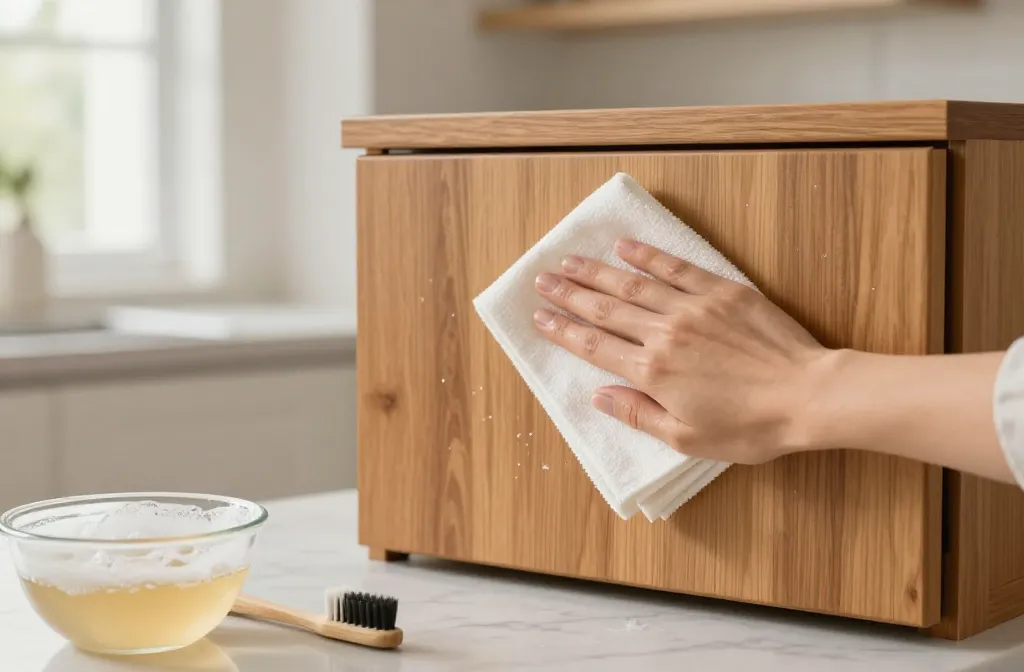
- Microfiber cloths (at least 3): One for washing, one for rinsing, one for drying.
- Mild dish soap: The unscented, gentle kind.
- Warm water: Not hot—hot can soften finishes.
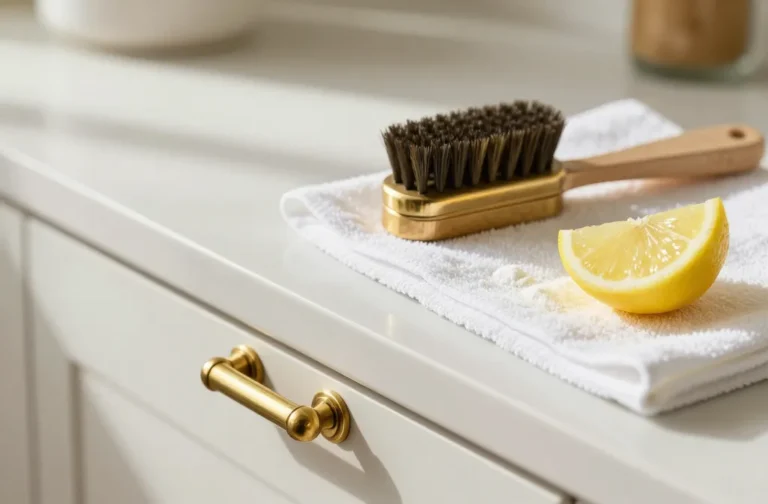
- Soft toothbrush or small detailing brush: For corners and hardware.
- White vinegar (optional): For mineral deposits and light cloudiness.
- Baking soda (optional): For spot-degunking handles—used as a paste.
- Mineral spirits (last resort): For stubborn grease on sealed finishes only.
- Wood conditioner or wax (optional): To revive dry-looking wood.
FYI: Skip anything labeled “heavy-duty degreaser” unless you like dulled finishes and regret.
The Everyday Clean: Fast, Safe, Effective
You’ll hit 80% of the grime with this routine. No drama.
- Mix your solution: 1–2 drops of dish soap in a bowl of warm water. That’s it. More soap = more residue.
- Wipe with the grain: Dip your microfiber, wring it almost dry, and wipe doors and frames. Work top to bottom.
- Rinse quickly: Use a second cloth dampened with clean water to remove soap film.
- Dry immediately: Use a dry cloth to buff and prevent water spots. Don’t air dry wood—ever.
You’ll be amazed how much comes off with just soapy water. Honestly, IMO, most cabinets never needed those harsh cleaners in the first place.
Handling Sticky Spots and Fingerprints
Got stubborn spots around handles or near the stove? Try this:
- Hold a warm, damp cloth on the spot for 30 seconds to soften grime.
- Gently scrub with your cloth or a soft brush. No nail digging.
- For oily buildup, add one extra drop of soap directly to the cloth and rub lightly, then rinse and dry.
Deep Cleaning Grease Without Wrecking the Finish
Sometimes life (and bacon) happens. Here’s how to tackle real grease safely.
- Soap first: Always start with the mild mix—you’d be shocked what it handles.
- Vinegar assist: Mix 1 part white vinegar with 4 parts water. Wipe, then rinse and dry. Don’t soak.
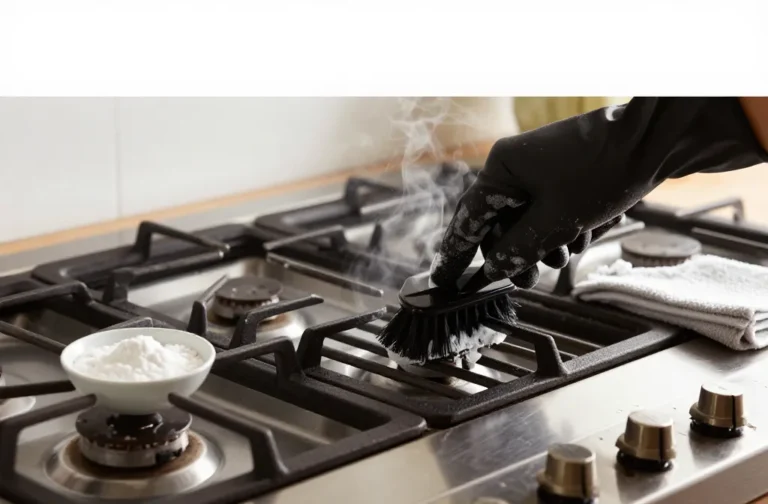
- Baking soda paste: For gunked handles or edges, make a tiny paste (baking soda + water), dab it on, wait 2 minutes, remove with a damp cloth. Gentle pressure only.
- Mineral spirits (rarely): If grease laughs at everything else and your cabinets have a sealed finish, lightly dampen a cloth with mineral spirits, wipe the spot, then wash with soapy water and dry. Use sparingly and ventilate.
What to Avoid Like, Always
- Magic erasers: They’re micro-abrasive. They remove finish. Hard pass unless you like touch-up paint.
- Ammonia, bleach, or harsh degreasers: They cloud and strip finishes.
- Soaking: Standing water = swollen wood and lifted veneer. Yikes.
Hardware, Hinges, and Crevices: The Sneaky Dirt Zones
Grime hides where your cloth can’t reach. Time to evict it.
- Handles and pulls: Remove them yearly if you can. Soak in warm soapy water, scrub with a toothbrush, dry completely, then reattach.
- Hinges: Wipe with a lightly damp cloth. Don’t flood them or you’ll invite rust or squeaks.
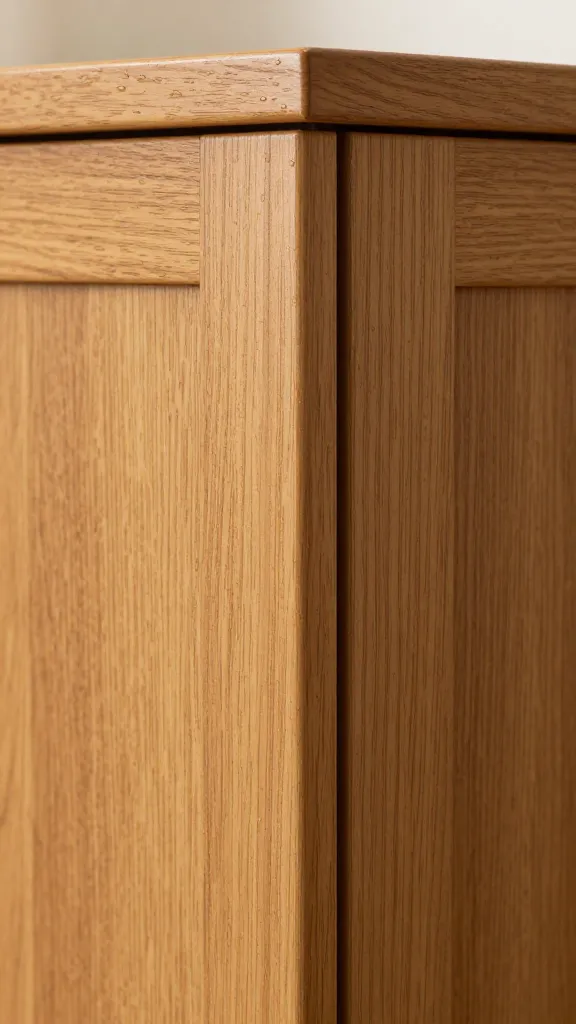
- Grooves and trim: Use a soft brush with your soapy mix. Wipe and dry as you go.
- Edges of doors: These catch drips and crumbs. Wipe with the grain, not across it.
Quick Fix for Cloudy Film
Seeing a dull haze? That’s often soap residue or hard water. Wipe with a vinegar-water mix (1:4), then rinse and buff dry. Shine restored, attitude adjusted.
Condition and Protect (When and How)
Wood doesn’t need constant conditioning, but it appreciates a little TLC.
- How often: Every 6–12 months for stained or oil-finished wood; skip for painted cabinets.
- What to use: A quality furniture polish or beeswax-based conditioner—no silicone-heavy sprays.
- How to apply: After a full clean and dry, rub a small amount with the grain, then buff off any excess. Less is more.
FYI: If your cabinet doors feel tacky after “polishing,” you used too much product. Buff again with a clean, dry cloth.
Set a Low-Maintenance Routine
You don’t need to baby them—just be consistent.
- Daily: Wipe spills ASAP. Water and tomato sauce don’t age well on wood.
- Weekly: Quick wipe of high-touch zones—handles, edges, trash pull-out.
- Monthly: Full door-and-drawer wipe-down with mild soap and water.
- Seasonal: Clean hardware, detail grooves, condition if needed.
Want fewer grease issues? Use your vent hood every time you cook. Yes, even for “just one egg.”
Common Mistakes (So You Don’t Make Them)
- Too much water: Use a damp cloth, not a dripping one.
- Scrubbing across the grain: Go with the grain to avoid micro-scratches.
- Skipping the rinse: Soap film collects dust and looks cloudy.
- Not drying: Water spots and swollen edges are not a vibe.
- Using the wrong products: Oven cleaner on cabinets? Please no.
FAQ
Can I use vinegar straight on wood cabinets?
Use diluted vinegar only. Mix 1 part vinegar with 4 parts water, wipe, then rinse and dry. Straight vinegar can dull some finishes over time. When in doubt, spot test inside a door.
Do I need a special wood cleaner?
Not usually. Mild dish soap and water handle most messes. A dedicated wood cleaner helps for quick freshening, but IMO it’s optional if you maintain a weekly wipe-down.
How do I get rid of that sticky, orange-ish grease near the stove?
Warm, soapy water first. If it sticks around, try the vinegar mix. For the worst spots on sealed finishes, use a tiny bit of mineral spirits, then wash and dry. Repeat gently rather than scrubbing hard once.
Is olive oil a good conditioner for cabinets?
Nope. It can go rancid and attract dust. Use a proper furniture polish or beeswax-based conditioner designed for wood finishes. Your nose (and cabinets) will thank you.
What about magic erasers for scuffs?
They work by abrasion, which can remove finish. If you must, test in a hidden spot and go feather-light. Better: use a soft cloth with soapy water, or touch up with matching stain/paint if the finish is already damaged.
My cabinets look dull even after cleaning—now what?
If you rinsed and dried properly, try a light coat of wood polish or conditioner on stained wood. For painted cabinets, dullness often means residue—wipe again with clean water and buff dry. Still dull? The finish might be worn and need refinishing down the road.
Wrap-Up: Clean, Happy Cabinets Without the Drama
You don’t need fancy products or a weekend lost to scrubbing. Keep it simple: mild soap, warm water, soft cloths, and quick dries. Tackle grease with gentle steps, protect the finish with the right products, and stick to a low-effort routine. Your cabinets will look fresh, feel smooth, and, IMO, make your kitchen feel 20% cleaner instantly. Not bad for a few wipes and a little common sense.