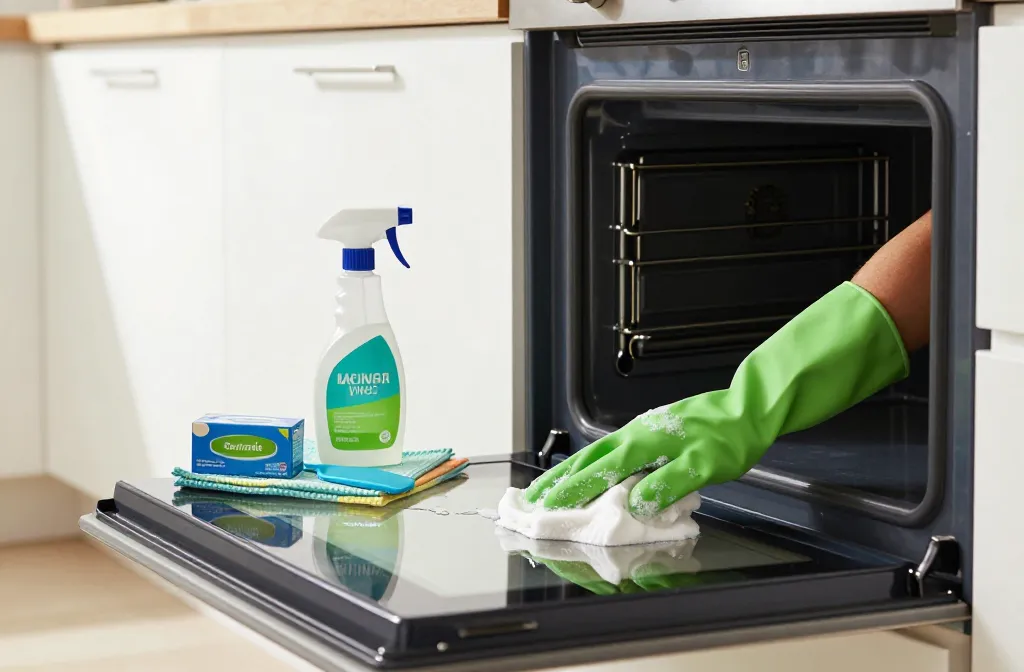
Your oven doesn’t need to look like a crime scene from last Thanksgiving. You can clean it fast, without choking on fumes or scrubbing for eternity. The trick? A few smart moves, the right tools, and a plan that fits your energy level. Let’s get in, get it done, and get back to snacks.
Pick Your Strategy: Fast, Fumes, or Natural
You’ve got options, and they all work. The “best” one depends on how gross your oven is and how patient you feel today.
- Quick and simple: Use a store-bought oven cleaner. Strong, fast, minimal scrubbing. Ventilate well.
- Natural and chill: Baking soda + vinegar. Safe, cheap, a bit slower, but shockingly effective.
- Feature flex: Self-clean mode. Intense heat. Great results, but takes hours and gets hot. FYI: it can smell.
Can’t decide? IMO, do the baking soda method first, then spot-treat with a commercial cleaner if something laughs in your face.
Gear Up: What You Actually Need
Let’s not overcomplicate this. You only need a few things you probably already own.
- Rubber gloves (non-negotiable)
- Microfiber cloths and paper towels
- Plastic scraper or old gift card (for gunk)
- Spray bottle with water or vinegar
- Baking soda (1/2–1 cup)
- Optional: Commercial oven cleaner, dish soap, steel wool for racks only
Pro move: Lay an old towel under the oven door so drips don’t become your next problem.
The Easy Natural Method (Baking Soda + Vinegar)
This method works on most messes and doesn’t require a hazmat suit. Plan for a few hours of sit time, but your hands-on time stays short.
- Remove the racks. Set them aside for their own spa day.
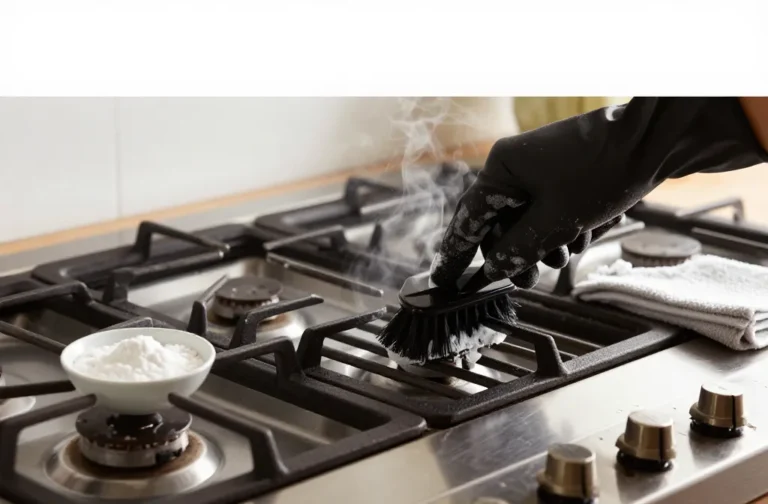
- Mix a paste: 1/2 cup baking soda + a few tablespoons of water. Aim for spreadable, not watery.
- Spread everywhere except heating elements. Hit the floor, sides, and door glass. Get into corners. Thick layers on burnt spots.
- Let it sit 2–12 hours. Overnight cleans like a champ. Short on time? Even 2 hours helps.
- Spray with vinegar. It’ll foam. Science! That reaction helps lift grease.
- Wipe and scrape. Use a damp cloth and a plastic scraper. Rinse cloth often. Stubborn spots? Reapply paste, give it another 30 minutes.
For Super Stuck-On Crud
– Warm the oven to 150°F (65°C), then turn it off. Apply baking soda paste while it’s warm. The heat softens the grime.
– Or dab a few drops of dish soap onto greasy patches before the paste. The combo breaks down oil faster.
Clean the Oven Racks Without Crying
Your racks take a beating, but they clean up nicely with a soak. No gym membership required.
- Soak in hot, soapy water for at least 30–60 minutes. Bathtub works great—lay a towel underneath to protect it.
- Scrub with a non-scratch pad or a ball of aluminum foil. Yes, foil works wonders on carbon without shredding the chrome.
- Rinse and dry thoroughly. Water spots look ugly and can rust over time.
Speed Option
– Spray racks with oven cleaner outdoors or in a well-ventilated space. Bag them in a trash bag for 20–30 minutes, then rinse. Wear gloves. Don’t inhale like it’s aromatherapy.
Glass Door: Streak-Free and Satisfying
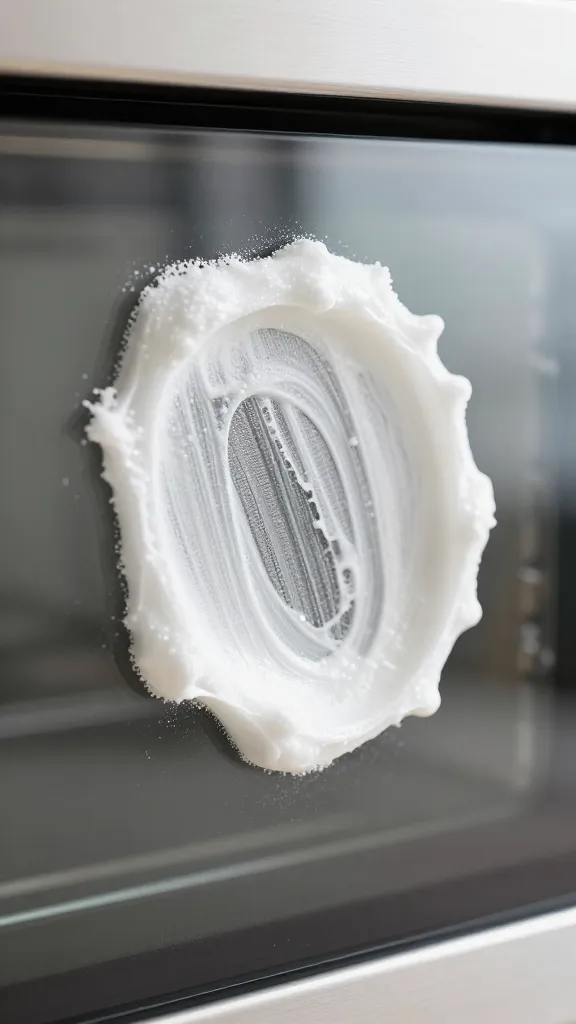
That cloudy window? You can fix that fast.
- Make a paste of baking soda and a few drops of water. Spread across the inside glass.
- Wait 15–20 minutes. Then wipe with a damp cloth.
- Polish with vinegar or glass cleaner. Use a microfiber cloth for a streak-free finish.
Between-the-Glass Trick (If You Dare)
– Some oven doors let you remove the top panel with a few screws and clean the inside glass. Check your manual first.
– If you see crumbs in the vent slot, a microfiber cloth rubber-banded to a coat hanger can fish them out. Gently. Don’t go spelunking blindly.
Using Commercial Oven Cleaner (Fastest Route)
When you just want it done, chemicals earn their keep. Respect them, and they’ll do the heavy lifting.
- Ventilate well and wear gloves. Open windows. Turn on the fan.
- Remove racks and place them aside.
- Spray evenly on the interior, avoiding heating elements. Coat greasy areas thoroughly.
- Wait as directed (usually 10–20 minutes).
- Wipe clean with damp cloths, rinsing frequently.
Pro tip: Do a final wipe with a vinegar-damp cloth, then a water-only cloth, to remove residue and smells.
Self-Clean Mode: Worth It?
Self-clean bakes everything to ash at high heat. It works, but it isn’t a casual Tuesday activity.
- Remove racks to avoid discoloration and warping.
- Wipe loose debris first so your kitchen doesn’t smell like a campfire.
- Run the cycle when you can open windows and keep pets out of the kitchen.
- After it cools, wipe out the ash with a damp cloth.
FYI: If your oven’s older or your kitchen doesn’t ventilate well, I’d skip this and use the baking soda route.
Finishing Touches That Make It Look New
A few extra minutes make a big difference. Don’t stop at “good enough.”
- Clean the door gasket gently with a damp cloth. No scrubbing—it’s delicate.
- Wipe the knobs and control panel with mild soapy water. Avoid soaking anything with electronics.
- Shine the exterior with a stainless cleaner or diluted vinegar for that “showroom, but we actually cook” look.
Prevent Messes (Future You Will Applaud)
– Use a sheet of foil or a drip tray on a lower rack (not the oven floor).
– Wipe small spills ASAP while the oven’s warm, not hot.
– Do a mini-clean monthly: 5-minute baking-soda spot treatment and a quick wipe. IMO it’s the best habit here.
FAQ
Can I use baking soda on the heating elements?
Nope. Keep paste and cleaners off the elements. Just brush or vacuum off loose crumbs around them. If they get dirty, wait until they’re completely cool and wipe gently with a barely damp cloth.
Will oven cleaner damage my oven?
Most modern ovens handle it fine. Avoid scrubbing the rubber gasket and always rinse thoroughly. If your manual warns against certain products, follow that. When in doubt, spot-test on a corner.
How do I get rid of that burnt smell after cleaning?
Do a final wipe with vinegar, then plain water. Run the oven at 250°F (120°C) for 15–20 minutes to burn off any residue. A small oven-safe bowl of water with lemon slices also helps refresh the air.
What’s the easiest way to clean the racks if I don’t have a tub?
Use a large plastic storage bin or a deep sink. Worst case, lay them on a garbage bag outside, spray with oven cleaner, wait 20 minutes, and hose them off. Dry well to prevent rust.
Is self-clean safe for apartments?
Usually, but it gets very hot and can smell. Open windows, turn on fans, and maybe warn your neighbors so they don’t think you’re summoning dragons. If ventilation’s poor, choose the baking soda method.
Can I use steel wool inside the oven?
On the racks only. Inside surfaces can scratch, which traps more grime later. Use non-scratch pads and a plastic scraper inside the cavity.
Conclusion
You don’t need a weekend or wizardry to clean your oven—just the right approach for your mess level. Go natural with baking soda, go fast with a cleaner, or let self-clean do the heavy lifting when you can ventilate. Keep a drip tray in play, wipe spills fast, and do a quick monthly tune-up. Easy in, easy out—and your next pizza won’t smell like last year’s lasagna.