You bought stainless steel to dodge rust, grime, and high-maintenance drama. Now you’ve got fingerprints, water spots, and mystery streaks that mock you under kitchen lights. Good news: stainless steel cleans up fast if you use the right stuff and the right moves. Even better? You don’t need fancy products or a PhD in surfaces—just a plan and a soft cloth.
Know Your Enemy: Smudges, Streaks, and Scratches
Stainless steel looks sleek, but it loves to show off every fingerprint and drip. That’s normal. The trick is learning which mess you’re dealing with, so you don’t overdo it.
- Fingerprints and oils: The most common villain. Easy fix with mild soap or vinegar.
- Water spots: Minerals dried on the surface. Wipe with vinegar, then dry fully.
- Grease splatters: Warm soapy water first, then polish.
- Fine scratches: You can reduce how they look, but you won’t erase deep ones at home. FYI.
Start Simple: The Everyday Clean
If your stainless just looks smudgy, don’t overthink it. Go basic and gentle first.
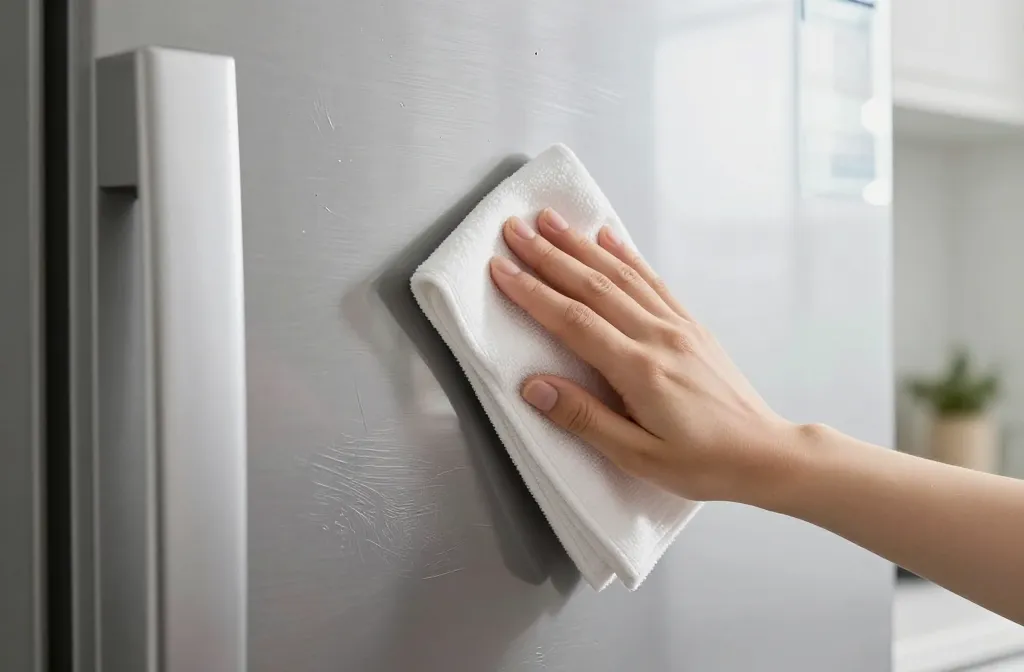
- Grab a soft microfiber cloth. Skip paper towels—they can scratch and shed lint.
- Mix warm water with a drop of dish soap. Nothing harsh. Think baby shampoo vibes.
- Wipe with the grain. Stainless has a “direction”—fine lines running one way. Follow it for fewer streaks.
- Rinse with a damp cloth. Get rid of soapy residue.
- Dry immediately. Use a clean, dry microfiber cloth. Drying is what stops streaks.
Spot-Cleaning Fingerprints in 10 Seconds
Keep a tiny spray bottle of 1:1 water and white vinegar under the sink. Spritz the handle or door, wipe with a dry microfiber cloth, walk away like a boss. Vinegar cuts through oils fast and doesn’t leave a sticky film.
Level Up: Dealing with Stubborn Stains and Grease
When bacon went rogue or the dishwasher sneezed minerals, go one step up.
- White vinegar for water spots: Spray, let it sit for 1–2 minutes, then wipe with the grain. Dry right away.
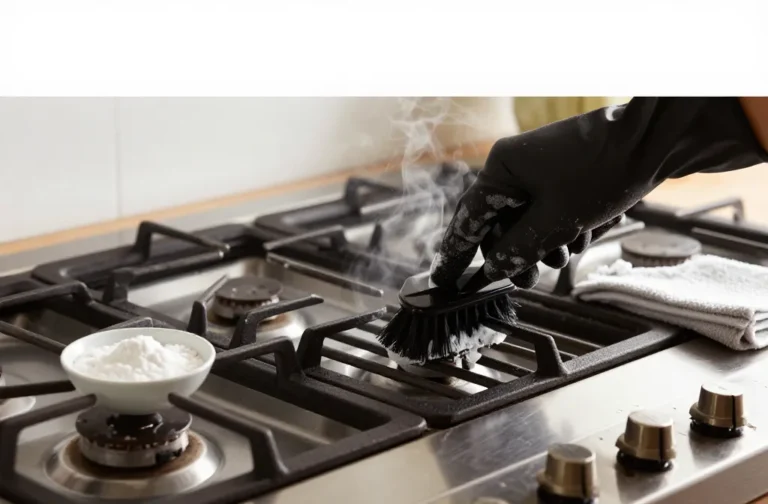
- Baking soda paste for gunk: Mix baking soda with a little water. Dab on the spot, rub gently with a soft cloth, then rinse and dry. Don’t scrub like you’re polishing a bowling ball—gentle is key.
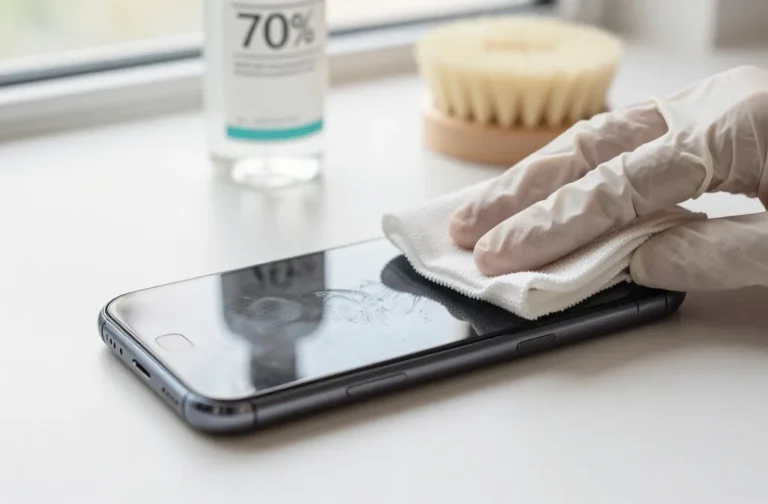
- Rubbing alcohol for sticky residues: A little on a cloth, then wipe. It evaporates cleanly and helps with tape glue or label leftovers.
Read the Room: Painted Logos and Coatings
Got brand logos, indicator screens, or a protective film? Test any cleaner on a hidden spot first. Alcohol or vinegar can fade painted markings. IMO, better safe than “oops.”
Shine Time: Polishing Without the Grease-Slick Look
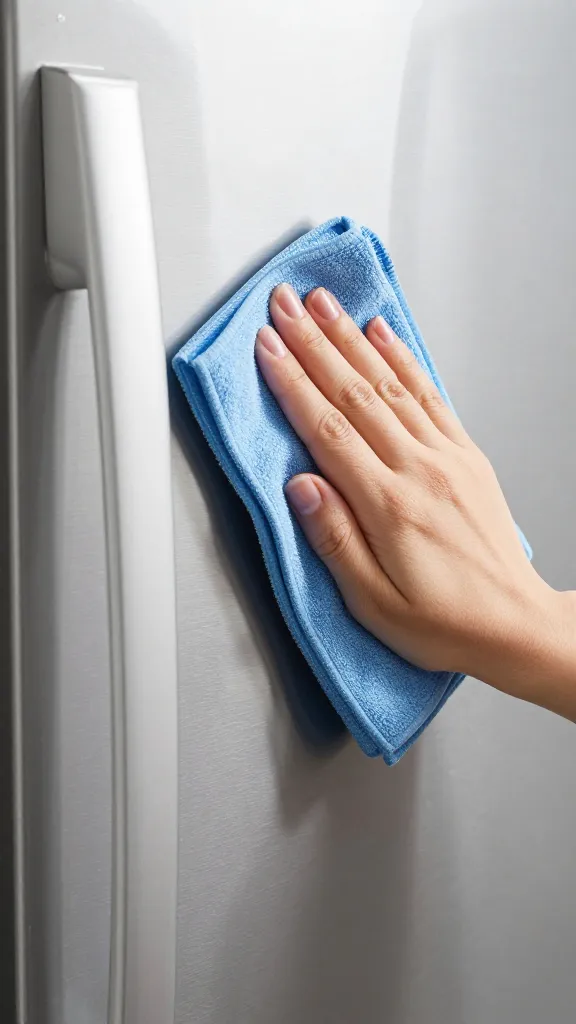
Once it’s clean, polishing makes stainless look like it belongs in a magazine shoot—minus the fake fruit bowl.
- Mineral oil or baby oil: Put a pea-sized drop on a microfiber cloth. Buff with the grain. Less is more—too much equals streak city.
- Dedicated stainless cleaners: Great for a quick shine and fingerprint resistance. Follow directions and buff well.
- Olive oil? It works in a pinch, but it can go sticky over time. I avoid it on appliances.
The Two-Cloth Trick
Use one cloth slightly damp for cleaning, and a second, totally dry cloth for buffing. That last dry buff is the secret sauce for a streak-free finish.
Things You Should Never Use (Seriously, Don’t)
Some products will make stainless cry. Or at least pit, haze, or scratch.
- Bleach or chlorine cleaners: They can corrode stainless. If you splash some, rinse immediately.
- Abrasive powders or scouring pads: Steel wool, rough scrubbers, or gritty creams = micro-scratches galore.
- Oven cleaner or ammonia-heavy stuff: Too harsh. Skip.
- Hard water left to dry: Wipe spills ASAP to avoid mineral crusts.
Special Cases: Sinks, Cookware, and Outdoor Grills
Not all stainless lives the same life. Tailor your approach a bit.
Kitchen Sinks
– Daily: Rinse debris, wipe with soapy water, and dry.
– Weekly:
– Hard water edge? Soak a paper towel in vinegar, lay it on the crusty ring for 5–10 minutes, then wipe.
– Finish: A tiny drop of mineral oil buffs out water spots and helps repel grime.
Cookware
– Brown heat tints: A vinegar rinse or a powdered stainless cleaner (Bar Keepers Friend, used gently) brings back the shine.
– Stuck-on food: Simmer water with a splash of vinegar, cool, then scrub with a nylon pad.
– Rainbow discoloration: Caused by overheating—non-toxic, just cosmetic. A gentle cleanser fixes it.
Outdoor Grills
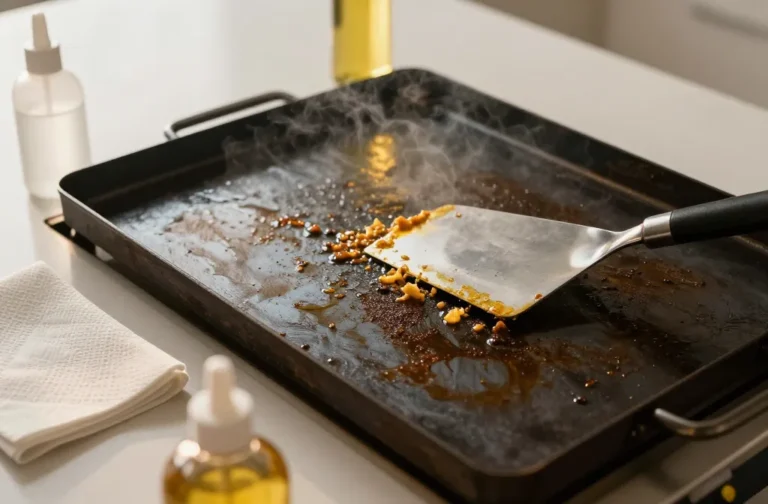
– Grease first: Degrease warm (not hot) surfaces with soapy water.
– Rinse and dry: Moisture + outdoors = spots.
– Protect: Finish with a stainless polish and use a grill cover. FYI, salt air near the coast means you should clean more often.
Routine That Actually Sticks
You don’t need a 12-step program—just consistency.
- Daily quick wipe: Handles, doors, the sink lip. 30 seconds.
- Weekly reset: Soapy wash, vinegar on spots, dry thoroughly, light polish.
- Monthly TLC: Deep clean trouble areas and re-oil if needed.
Microfiber Maintenance
Wash microfiber cloths separately, no fabric softener. Softener coats the fibers and turns them into smudge mops. Not helpful.
FAQs
Can I use Windex on stainless steel?
You can, but choose an ammonia-free version to be safe. Standard window cleaners can leave streaks and sometimes haze coated finishes. If you try it, spray on the cloth (not the appliance) and buff dry.
How do I remove scratches from stainless steel?
Light hairline scratches can look better after a gentle buff with a non-abrasive polish and a microfiber cloth—always with the grain. Deep scratches usually need a professional refinishing kit or a pro. Don’t use sandpaper unless you know what you’re doing; it can make things worse, fast.
Why do I keep getting streaks after cleaning?
You’re probably using too much product or not drying. Use less cleaner, wipe with the grain, and finish with a clean, dry cloth. Tap water minerals can also streak—use distilled water for the final wipe if your water runs hard.
Is vinegar safe for all stainless finishes?
Mostly yes, but test first, especially near logos, display panels, and brushed-black or colored stainless. Vinegar can dull painted markings. If in doubt, start with mild soap and water, then level up.
What’s the best cloth to use?
Microfiber wins by a mile. It grabs oils without scratching and buffs to a shine. Keep a few on rotation so you always have a clean, dry one for the final pass.
Do stainless steel cleaners leave residue?
Some do if you use too much. Apply sparingly, buff well, and follow with a dry cloth. IMO, a tiny bit of mineral oil gives the same “freshly detailed” look with less buildup.
Wrap-Up: Clean, Shiny, and Sanity-Saving
Stainless steel doesn’t ask for much—just gentle cleaners, soft cloths, and a quick dry. Start with soapy water, bring in vinegar or baking soda for trouble spots, and polish lightly for the glow-up. Follow the grain, ditch the bleach, and keep it simple. You’ll spend less time scrubbing and more time admiring that fingerprint-free sparkle—until someone makes a sandwich, of course.