Grease splatters. Burnt-on mystery gunk. That one spot you swore you’d clean “tomorrow.” Yeah, stove grates see it all. The good news? You don’t need fancy chemicals or a whole Saturday to make them look new again. Grab a few basics, follow a simple plan, and you’ll have those grates gleaming before your coffee gets cold. Almost.
Know Your Grates Before You Scrub
Not all stove grates behave the same. Some love a good soak, others scream if you dunk them. Let’s get familiar.
- Cast iron (most gas stoves): Heavier, matte finish, sometimes coated with porcelain enamel. They can usually handle a soak, but avoid harsh metal tools that scratch.
- Porcelain-coated: Shiny and smooth. Gentle cleaners work best. Skip abrasive powders that can dull or chip the coating.
- Raw cast iron: Rare for grates, but if yours are raw (no coating), treat them like a cast-iron skillet—avoid long water baths and dry thoroughly to prevent rust.
Quick compatibility test
Dab a bit of mild dish soap on a corner and rub with a soft sponge. If the finish feels gritty or color transfers, skip abrasives. When in doubt, start gentle.
The Fast Clean for “I Cooked Last Night and Guests Arrive in 30”
If your grates look mildly tragic—not apocalyptic—do a speed routine.
- Remove loose debris. Tap the grates over the sink or trash to knock off crumbs and flaky bits.
- Hot soapy soak. Fill the sink with very hot water and a generous squeeze of dish soap. Submerge grates for 10–15 minutes.
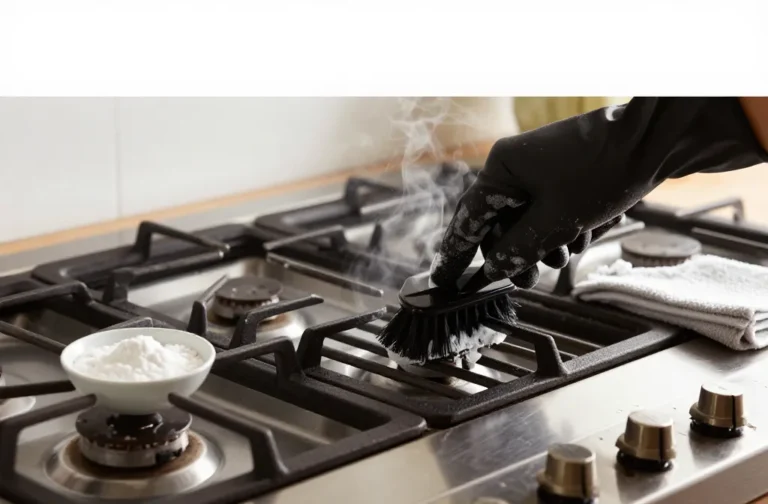
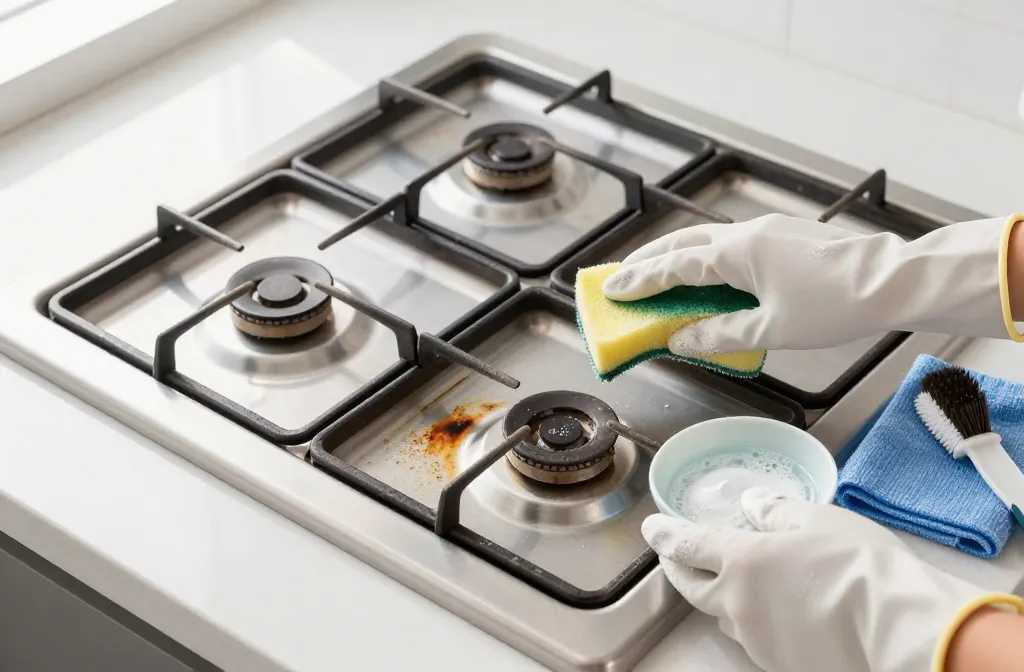
- Scrub smart. Use a non-scratch scrub pad or nylon brush. Focus on the underside and corners where grease hides.
- Rinse hot, dry hotter. Rinse with the hottest water you can handle. Dry with a towel, then set them on a warm burner for 2–3 minutes to evaporate moisture. FYI, that last step helps prevent rust.
Spot-cleaner cheat code
Stubborn dots? Make a paste of baking soda and a splash of water. Dab it on, wait 5 minutes, scrub lightly, rinse. Easy win.
The Deep Clean When Life (and Marinara) Happened
Sometimes you need to bring out the big guns—but not the toxic kind. You’ve got options.
Method 1: Baking Soda + Dish Soap Paste
This combo tackles grease and stains without drama.
- Mix 3 parts baking soda with 1 part dish soap into a thick paste.
- Spread generously over all surfaces. Let it sit 20–30 minutes.
- Scrub with a nylon brush or non-scratch pad. Add a few drops of water if it dries.
- Rinse thoroughly and dry completely. Heat-dry if your grates are prone to rust.
Method 2: The Zip-Top Bag Ammonia Trick
It smells… potent. But it works insanely well on baked-on grease. Use with ventilation.
- What you need: Heavy-duty zip-top bags, household ammonia, gloves, and a balcony/window (seriously).
- Place each grate into a bag with 2–3 tablespoons of ammonia. You don’t need to submerge it—the fumes do the work.
- Seal, leave overnight outdoors or in a well-ventilated area.
- Open away from your face, rinse well, and scrub lightly. The gunk should slide right off. IMO, this is the nuclear option—effective, but stinky.
Method 3: Vinegar Steam Assist
Great for medium grime and mineral spots.
- Spray white vinegar over the grates until damp.
- Place them in the sink and pour very hot (almost boiling) water around—not on—them to create steam. Cover with a towel for 15–20 minutes.
- Scrub and rinse. Vinegar cuts grease and dissolves mineral haze without abrasives.
Tools That Make Scrubbing 10x Easier
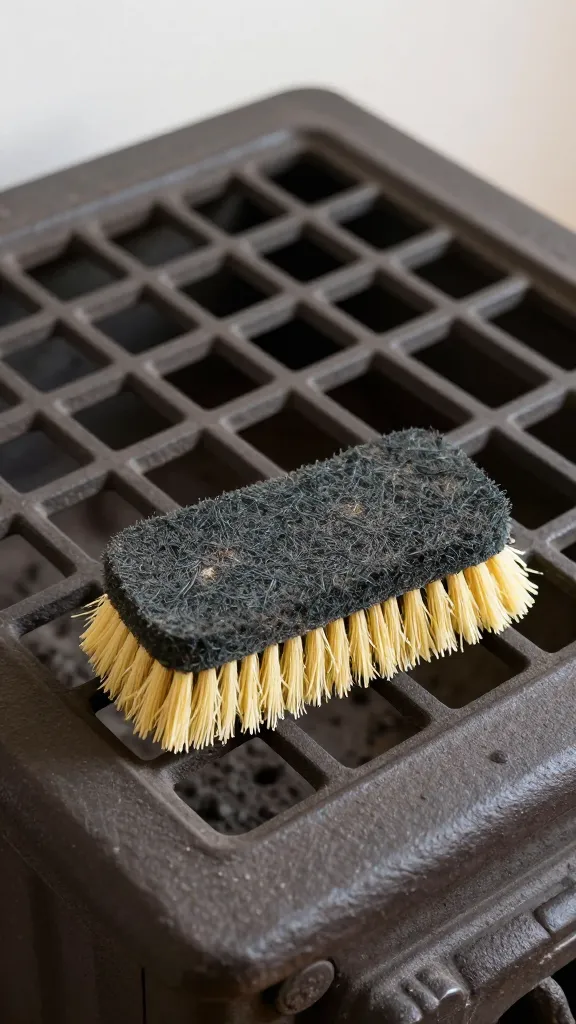
You don’t need a cleaning arsenal, just the right few items.
- Nylon bristle brush: Gets into corners without scratching.
- Non-scratch pads: Save porcelain coatings from ugly swirls.
- Bamboo skewers or an old toothbrush: Perfect for tight seams and burner-guard nooks.
- Microfiber cloths: Wipe residue clean and dry fast.
- Degreasing dish soap: Think “cuts grease” on the label, not “gentle on unicorns.”
What to avoid
– Steel wool on porcelain-coated grates
– Oven cleaner on aluminum parts nearby
– Soaking raw cast iron for long periods
– Dropping grates in the dishwasher unless the manual says it’s safe (many say no)
Dealing with Rust, Chips, and Other Drama
Grates live a hard life. You can fix small issues before they get worse.
Surface rust
– Gently buff with a fine nylon abrasive pad.
– Wipe with vinegar, rinse, dry fully.
– Heat the grate for a few minutes to banish moisture. A very light rub of neutral cooking oil can help protect raw cast iron—wipe off excess.
Chipped porcelain
You can’t fix the chip at home, sadly. But you can prevent more damage:
– Avoid metal utensils hitting the area.
– Clean with gentle scrubs only.
– If the chip exposes raw metal, dry thoroughly after every wash to avoid rust.
Keep Them Clean Longer (So You Don’t Hate This Chore)
Preventive habits make everything easier. Future you will high-five you.
- Wipe weekly: Pop the grates off and do a 5-minute wash every week. You’ll never face cemented crud again. IMO, weekly beats “oops, it’s been six months.”
- Catch spills fast: Sprinkle salt or baking soda on fresh splatters to keep them from baking on.
- Line wisely: Use burner liners only if your manufacturer approves. Some liners trap heat and cause discoloration. Read the manual—yes, that thing.
- Heat-dry always: After washing, set grates on low heat for a few minutes to prevent rust and funky smells.
Safety Notes You’ll Want to Actually Read
I know, safety lectures. But a few quick rules save headaches.
- Cool completely before washing. Cold water on hot grates can crack enamel or warp metal.
- Ventilate when using ammonia or strong cleaners. Open windows, turn on the fan, wear gloves.
- Check the manual. Some brands specifically forbid dishwasher cleaning or certain products.
- Test first. Try any new cleaner on a small, hidden area.
FAQs
Can I put stove grates in the dishwasher?
Sometimes, but not always. Many porcelain-coated or cast-iron grates can’t handle dishwasher detergents—they’re too harsh and can dull or rust the finish. If your manual says it’s okay, go for it. Otherwise, hand-wash to stay safe.
What’s the best cleaner for really greasy grates?
For heavy grease, use a baking soda + dish soap paste or try the ammonia bag method for overnight results. Degreasing dish soaps also work great with hot water and patience. Avoid oven cleaner unless the manufacturer okays it.
How do I remove burnt-on black spots?
Use a thick baking soda paste, let it sit 30 minutes, then scrub with a nylon brush. For ultra-stubborn spots, repeat or do the ammonia-fume treatment. A soft plastic scraper can help nudge off the last bits without scratching.
My grates smell after cleaning. What gives?
Lingering soap or trapped moisture causes that. Rinse thoroughly, then heat-dry on a low burner for a few minutes. If you used ammonia, rinse extra well and let them air out. The smell disappears once everything dries.
Do I need to season raw cast-iron grates like a skillet?
If your grates are truly raw cast iron (no enamel), a light seasoning helps prevent rust. Rub a thin layer of neutral oil on clean, dry grates and heat them on low for 10–15 minutes. Wipe off any excess. FYI, most modern grates are enamel-coated, so check first.
How often should I deep-clean?
If you cook daily, deep-clean monthly. If you cook occasionally, every 2–3 months works. Do a quick weekly wipe to avoid heavy buildup so deep cleans take half the time.
Wrap-Up: Don’t Overthink It
Clean stove grates don’t require a chemistry degree or a weekend lost to scrubbing. Match the method to the mess, use the right tools, and dry them well. Keep up a light weekly routine and you’ll never fear the spaghetti-sauce apocalypse again. Your future self—and your stovetop—will thank you.