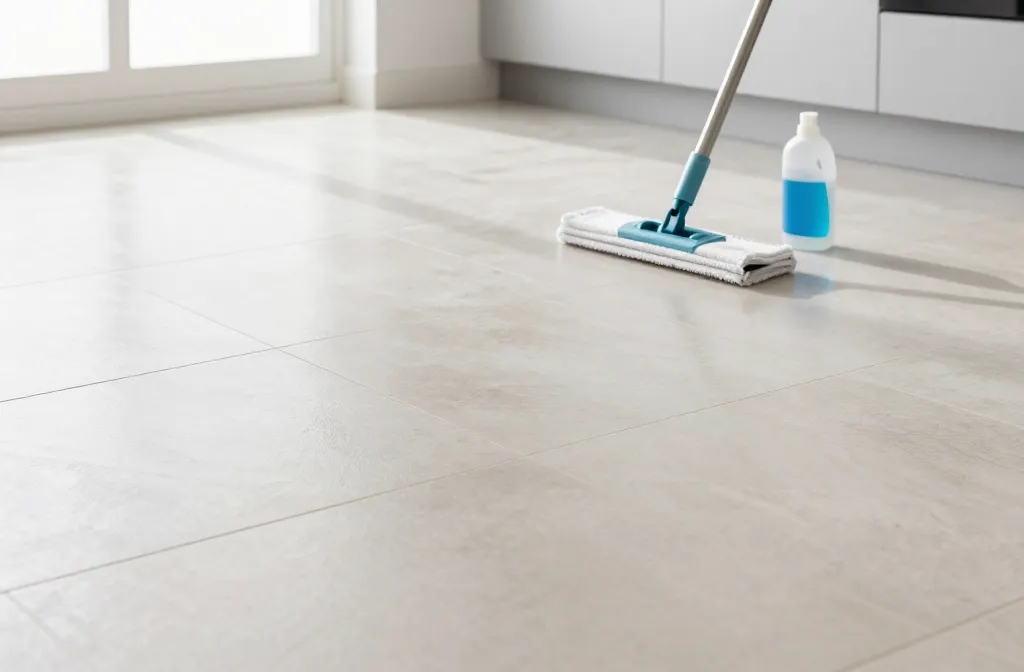
Your tile floors can look brand-new without fancy tools or a three-hour workout. You just need the right order of steps, a few low-key products, and some smart habits. I’ll walk you through what actually works (and what wastes time) so your floors shine and your mop doesn’t end up in the trash. Ready to retire those mystery streaks and sticky spots for good?
Know Your Tile: Ceramic, Porcelain, or Natural Stone?
Not all tile forgives the same mistakes. Ceramic and porcelain handle most cleaners like champs. Natural stone? That diva wants pH-neutral products only.
- Ceramic/porcelain: Durable and low-maintenance. Most mild cleaners work.
- Natural stone (marble, travertine, limestone, slate): Use pH-neutral cleaners only. Skip vinegar, lemon, and anything “acidic.”
- Glazed vs. unglazed: Glazed resists stains better. Unglazed can trap grime faster, so clean more gently but more often.
Quick test before you commit
Dab your chosen cleaner on a hidden corner. Wait 5 minutes. If the finish looks dull or weird, abort mission. Your floor just saved you from an expensive mistake.
The No-Fail Cleaning Routine (Minimal Drama, Maximum Shine)
Let’s keep this easy. Do this weekly, or more if your household loves crumbs like a hobby.
- Dry sweep or vacuum first. Remove grit so you don’t sand your floor while mopping. Use a soft-brush vacuum head.
- Mix a gentle cleaner with warm water. Aim for a pH-neutral floor cleaner. For ceramic/porcelain, a few drops of dish soap works, but go light to avoid residue.
- Mop in sections. Work in 3×3 foot squares. Wring your mop well—too much water = streaks + grimy grout.
- Rinse if needed. If the floor feels filmy, mop again with clean water.
- Dry the floor. Use a microfiber towel or a dry mop pass. Yes, it matters. Drying stops water spots and surprises in the grout.
What about steam mops?
They’re great for sealed ceramic/porcelain. Don’t use on natural stone or damaged grout. And don’t linger in one spot unless you like warped baseboards and lifted caulk.
Grout: Where All the Dirt Hides
Grout grabs grime like it’s paid to do it. Clean it right and your whole floor looks fresher.
- Basic clean: Mix warm water + a few drops of dish soap. Scrub lines with a soft brush. Rinse and dry.
- Deeper clean (ceramic/porcelain only): Use a 50/50 vinegar and water solution on grout. Spray, wait 5 minutes, scrub, rinse. Do not use vinegar on natural stone grout.
- Stubborn stains: Try an oxygen bleach powder (like Oxi-type) mixed with water per label. Apply, let sit 10 minutes, scrub, rinse well.
- Seal it: Once clean and dry, apply a penetrating grout sealer every 6–12 months. It slows stains and makes future cleanup way easier.
Tools that make grout less annoying
– A stiff nylon grout brush (skip metal bristles)
– An old electric toothbrush for tight corners (yes, it works)
– A small squeeze bottle to apply cleaner right on the lines
DIY Cleaners That Actually Work (And When to Skip Them)
You don’t need a chemistry set. Just be picky.
- Dish soap + warm water: 2–3 drops per gallon. Great for everyday on ceramic/porcelain. Rinse if it feels slick.
- Vinegar + water (50/50): Only for ceramic/porcelain. Effective on soap scum and mineral haze. Never for natural stone.
- Baking soda paste: Gentle scrub for scuffs on ceramic/porcelain. Rinse well. Avoid on glossy finishes that scratch easily.
- Hydrogen peroxide (3%): Spot-treat light grout stains. Test first. Rinse after.
- pH-neutral stone cleaner: Non-negotiable for marble, slate, travertine, etc. IMO, buy one good bottle and keep your stone happy.
Avoid these (your floor will thank you)
– Bleach on natural stone or colored grout (discoloration risk)
– Ammonia mixes (clouding and fume headache, FYI)
– Oil-based soaps (residue that grabs dirt later)
– Abrasive powders on glossy or glazed tile
Streak-Free Mopping: The Secrets No One Mentions
Tired of “I just mopped” floors that look meh? Fix these mistakes.
- Use less cleaner. More soap = more residue. You’re cleaning a floor, not a casserole dish.
- Swap your water often. Dirty mop water just redistributes grime. Refresh every 1–2 rooms.
- Wring your mop. Damp, not sopping. Excess water = streaks and dullness.
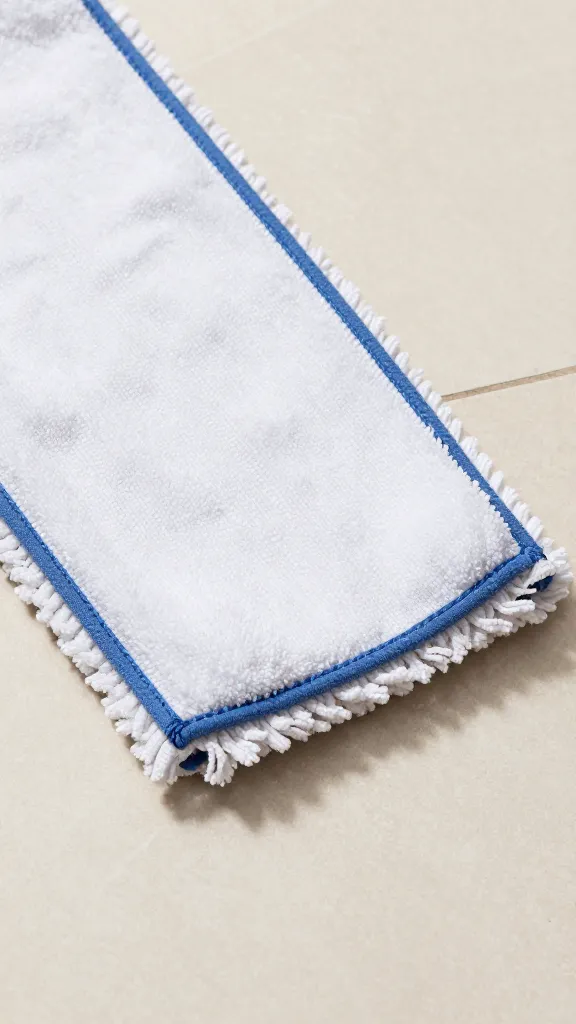
- Go with microfiber. Flat microfiber mops trap fine dust and leave fewer streaks than string mops, IMO.
- Dry at the end. A quick dry pass with a clean towel shows you where you missed.
Spot Problems: Grease, Haze, and Mystery Gunk
Things happen. Here’s your rapid-response guide.
- Grease splatters (kitchen): Hit with warm water + a drop of dish soap. Wipe, then rinse with plain water.
- Hard water haze: For ceramic/porcelain, use diluted vinegar, then rinse. For stone, use a stone-safe descaler only.
- Scuff marks: Rub gently with a magic eraser or baking soda paste. Rinse. Don’t go wild or you’ll dull the finish.
- Sticky residue: Warm soapy water first. If it’s stubborn, a small amount of isopropyl alcohol on a cloth can help (test first, avoid stone).
- Mildew in grout (shower floors): Oxygen bleach solution, dwell 10 minutes, scrub, rinse. Improve ventilation to prevent round two.
Make It Last: Simple Habits That Cut Your Work in Half
You can clean less if you prevent the mess. Revolutionary, I know.
- Use doormats. One outside, one inside. They trap grit that scratches tile.
- Take shoes off. Your grout does not need to meet the entire city.
- Wipe spills ASAP. Sugar and oils glue dirt to floors like it’s their life’s purpose.
- Vacuum or dust-mop 2–3 times a week. Fast, easy, lowers deep-clean time.
- Seal grout every 6–12 months. Future-you will high-five present-you.
FAQs
Can I use vinegar on all tile floors?
Nope. Vinegar works great on ceramic and porcelain but do not use it on natural stone like marble, travertine, or limestone. The acid etches and dulls the surface. If you see “stone,” grab a pH-neutral cleaner instead.
How often should I deep-clean grout?
Plan a light scrub monthly if your kitchen sees heavy action, or every 2–3 months for lower-traffic areas. If you seal your grout, you can stretch that timeline. FYI, a quick weekly pass with a soft brush during mopping keeps stains from settling.
What’s the best mop for tile floors?
A flat microfiber mop wins for everyday cleaning—light, fast, and low-streak. For deep-clean days, a bucket and a good-quality microfiber string or strip mop work well. Steam mops are fine on sealed ceramic/porcelain, but avoid on natural stone and cracked grout.
Do I need to rinse after mopping?
If you used a no-rinse, pH-neutral cleaner and kept the solution light, you might not. But if the floor feels slick or looks streaky, do a quick rinse pass with clean water. Rinsing matters more if you used dish soap or a DIY mix.
Why does my tile still look dull after cleaning?
You might have product residue, hard water film, or a tired sealer. Try a rinse with clean water first. For ceramic/porcelain, follow with a diluted vinegar wipe. If it’s stone, use a stone-safe cleaner and check whether it needs resealing.
Is bleach safe for grout?
Use it sparingly, if at all, and only on white grout around ceramic/porcelain. It can discolor colored grout and damage natural stone. Oxygen bleach cleans effectively with fewer risks—IMO it’s the safer default.
Wrap-Up: Shine Without the Struggle
Clean tile floors don’t need drama. Sweep first, mop with a gentle solution, dry at the end, and show grout some love now and then. Keep vinegar away from stone, seal your grout, and swap that murky mop water often. Do that, and your floors will look like you actually planned this whole “adulthood” thing.