Your upholstered chairs take a daily beating—coffee splashes, mystery crumbs, and whatever your pet decided to do while you weren’t looking. Good news: you don’t need to fear fabric. With a little know-how and the right tools, you can clean those chairs like a pro and keep them looking fancy without acting like a museum curator. Ready to kick stains to the curb and rescue your seating? Let’s go.
Know Your Fabric Code (It’s Not Optional)
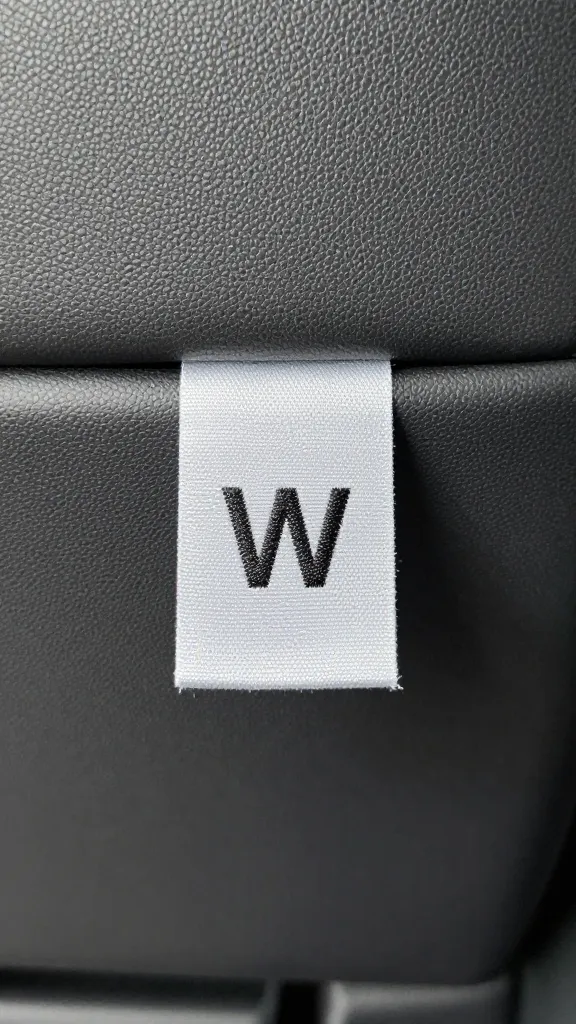
Before you touch a single spray bottle, check the manufacturer’s tag. It’s usually under the seat or along a seam. That little code tells you what the fabric can handle.
- W: Water-based cleaners work. Easy mode.
- S: Solvent-only. No water. Grab a dry-cleaning solvent.
- WS or SW: Water or solvent. You’ve got options.
- X: Vacuum only. Do not pass Go. Do not get it wet. Call a pro for stains.
FYI, if you can’t find the code, test everything on a hidden spot first. Fabric roulette is a terrible game.
First Things First: Dry Clean (No, Not That Kind)
Start with a dry clean, which just means removing dry dirt before you add moisture. Moisture plus dust equals mud—no thanks.
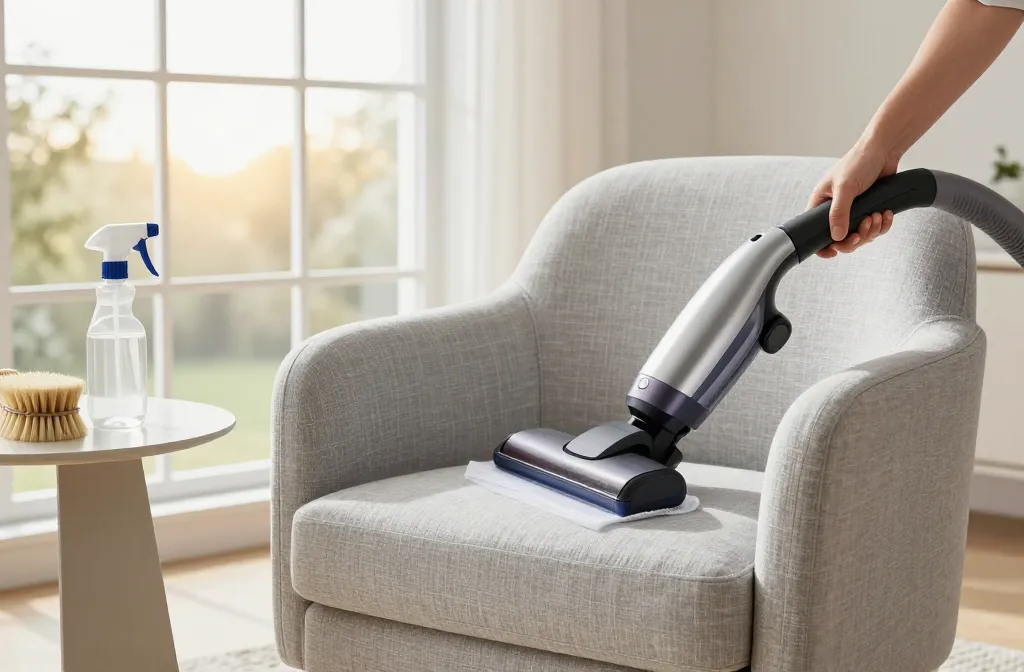
- Vacuum thoroughly: Use the upholstery attachment and crevice tool. Go top to bottom, front to back.
- Brush it out: A soft-bristle upholstery brush lifts lint and pet hair like magic.
- Tape hack: No lint roller? Use wide packing tape to grab stubborn fuzz.
Do this even if you think the chair looks clean. Spoiler: it isn’t.
Spot Cleaning: Handle Stains Like a Detective
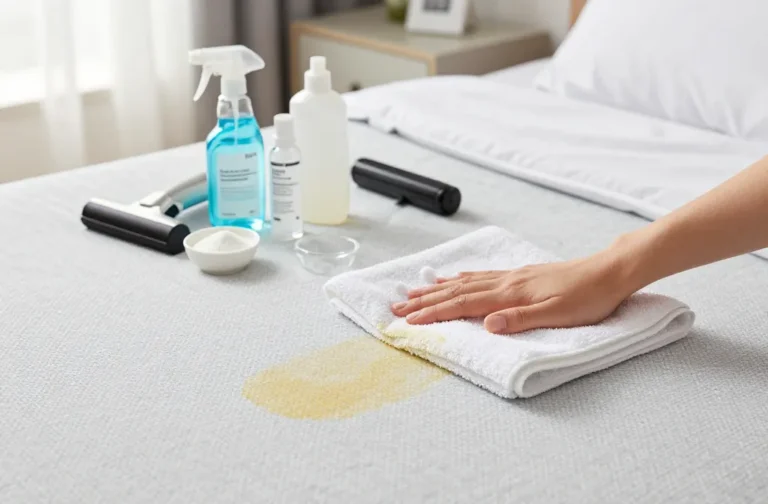
Stains set fast, so act fast. Blot—don’t rub—so you don’t spread the mess or fuzz the fibers.
General Game Plan
- Blot the spill: Use a clean, white cloth. Get as much up as you can while it’s still fresh.
- Test your cleaner: Always test on the back or underside first.
- Apply lightly: Use a small amount of cleaner on your cloth, not directly on the fabric.
- Blot, don’t scrub: Work from the outside toward the center.
- Rinse (if water-safe): Wipe with a damp cloth to remove residue.
- Dry quickly: Use a fan or hair dryer on cool. Heat can set stains, so be chill—literally.Advertisement
Stain-by-Stain Tips
- Coffee/tea: Mix warm water with a drop of dish soap and a splash of white vinegar. Blot gently.
- Wine/juice: Salt first to draw moisture, then use a water-based fabric cleaner (W/WS fabrics only).
- Grease/oil: Sprinkle baking soda or cornstarch. Let it sit 15–30 minutes, vacuum, then use solvent cleaner (S/WS).
- Ink: Dab rubbing alcohol on a cotton swab. Light touches; don’t flood.
- Pet messes: Enzyme cleaner works wonders on odors—check that fabric code first.
Deep Cleaning: The Right Method for Your Fabric
Once you’ve handled the obvious stains, give the whole chair some attention. Your nose will thank you.
For W or WS Fabrics
- Mix a gentle solution: Warm water + a few drops of dish soap or a dedicated upholstery cleaner.
- Foam it up: Agitate to create foam. Use the foam, not the liquid, to avoid over-wetting.
- Work in sections: Lightly scrub with a soft brush. Keep it damp, not soaked.
- Rinse cloth: Wipe with a clean, damp microfiber cloth to lift residue.
- Dry fast: Fans or open windows. Keep cushions upright so air circulates.
For S Fabrics
- Use a solvent cleaner: Look for “dry-cleaning” solvent for upholstery.
- Ventilate: Open windows. Follow the label. No flames or smoking, obviously.
- Blot method: Apply to a cloth, not the chair, and dab gently.
When to Use a Machine
If your fabric allows water, a portable upholstery extractor can work great. Don’t drench it. Use minimal solution, make multiple dry passes, and dry thoroughly. If the tag says S or X, skip the machine unless you want regret.
Odors, Allergens, and Other Sneaky Stuff
Sometimes the chair looks fine but smells like last year’s soccer practice. You can fix that.
- Baking soda: Sprinkle generously, leave for 30–60 minutes, then vacuum. Great for smells.
- Enzyme cleaners: Break down pet odors. Test first and follow the dwell time.
- Steam (careful): A garment steamer can refresh and kill dust mites on W/WS fabrics. Keep it moving, low moisture.
- Sun + air: Move cushions to a shady, breezy spot. UV helps, but don’t bleach the fabric in direct sun.
Prevent Stains Like a Lazy Genius
Prevention beats scrubbing, every time. Make future-you happy.
- Fabric protector: After cleaning, apply a water- and stain-repellent spray rated for your fabric. Test first.
- Throws and slipcovers: Stylish insurance policies. Washable equals low stress.
- Rotate cushions: Even out wear spots so one sad cushion doesn’t ruin the vibe.
- Pet plan: Give pets their own cozy blanket. They’ll pick the softest spot anyway—make it washable.
Common Mistakes to Avoid
We’ve all done at least one of these. Let’s not do them again.
- Over-wetting: Too much water can cause rings, shrinkage, or mildew. Go light and blot often.
- Skipping the test spot: Dyes bleed. Finishes react. Your chair is not a chemistry experiment, IMO.
- Scrubbing aggressively: Friction damages fibers and makes the area look fuzzed and sad.
- Using heat to dry stains: Heat sets stains. Use cool air and patience.
- Mixing cleaners: Vinegar plus bleach equals danger. Don’t do DIY science.
Quick Maintenance Routine (So You Don’t Start Over Every Time)
Keep it simple and consistent. Five minutes here saves you an hour later.
- Weekly: Vacuum chairs during your normal cleaning loop. Quick once-over.
- Monthly: Baking soda refresh and a spot check for sneaky stains.
- Seasonally: Full clean based on the fabric code. Reapply protector if needed.
FAQ
Can I use vinegar on upholstered chairs?
Yes—on W or WS fabrics only and always diluted. Mix one part white vinegar with three parts water and a drop of dish soap. Test on a hidden spot first. Avoid vinegar on S or X fabrics.
What’s the best way to remove water rings?
For W/WS fabrics, lightly mist the entire panel with clean water, then blot and feather the moisture outward so it dries evenly. Follow with a fan. If that fails, use a mild upholstery cleaner across the whole area rather than spot-only treatment.
Are upholstery wipes any good?
They’re fine for quick emergencies, but they can leave residue and perfume. Use them sparingly and follow up with a damp cloth on water-safe fabrics. I treat them like backup, not the main event.
How do I clean velvet or chenille without killing the texture?
Vacuum with low suction and a soft brush. For W/WS velvet, use foam only and minimal pressure. After drying, brush the nap gently in one direction. For S-only velvet, stick to solvent and light blotting. Velvet throws tantrums if you scrub.
When should I call a professional?
If your tag says X, if you have big set-in stains, or if the chair cost more than your first car. Pros handle delicate fibers, complex stains, and colorfastness issues safely. Also, if you tried three things and it’s worse—tap out. No shame.
Can I use a carpet cleaner on upholstery?
Only if it has an upholstery tool and your fabric allows water. Use a gentle solution, avoid oversaturating, and make extra dry passes. Carpets forgive more moisture than chairs do, FYI.
Wrap-Up: Clean Chairs, Chill Vibes
You don’t need a white-glove service or a hazmat suit. Check the fabric code, start dry, spot clean smart, and deep clean with the right method. Protect your work, keep a simple routine, and your chairs will look good enough for guests—or for you, which IMO matters more. Now go rescue that seat from last weekend’s snack attack.