You stare at your brass knobs and pulls and think, “Wow, these used to sparkle.” Then you remember: life happened. Fingerprints, cooking splatters, and neglect turned that shine into a dull sigh. Good news: you can bring brass back from the brink without wrecking it—or your weekend. Let’s clean, polish, and protect that hardware so it looks like you actually planned your aesthetic.
First, figure out if it’s real brass or just brass-plated
Before you attack with polish, find out what you’re cleaning. Real brass can handle more; brass-plated needs gentle love.
How to test it (quick and easy)
- Magnet test: Magnets don’t stick to real brass. If it sticks, you’ve got a different metal underneath—likely plated.
- Color cue: Real brass looks warm and golden. Plating can look a tad yellow-green or “too perfect.”
- Scratch test (only if you’ll polish it anyway): Lightly scratch an unseen spot. If it stays gold, it’s brass. If you see silver underneath, it’s plated. Be gentle—obviously.
Why it matters: Real brass lets you polish aggressively. Brass-plated hardware has a thin layer—so you clean softly or you’ll rub through. No one wants surprise chrome.
Remove the hardware (yes, take the extra 5 minutes)
You’ll clean faster and better if you take it off the door or drawer. Also, you avoid sprays on your wood finish. Win-win.
Quick setup tips
- Snap a pic before you start. You’ll remember what screw went where. Future you will be grateful.
- Use labeled snack bags for screws. Keep hinges together in sets so doors won’t sag later.
- Plug holes with a bit of painter’s tape so you don’t lose them (or invite dust).
Start gentle: clean first, assess later
Before you polish, remove grime. Sometimes a deep clean alone brings back 80% of the shine.
The warm soapy water method
- Mix warm water with a few drops of mild dish soap.
- Soak hardware 5–10 minutes (skip soaking for lacquered pieces; see below).
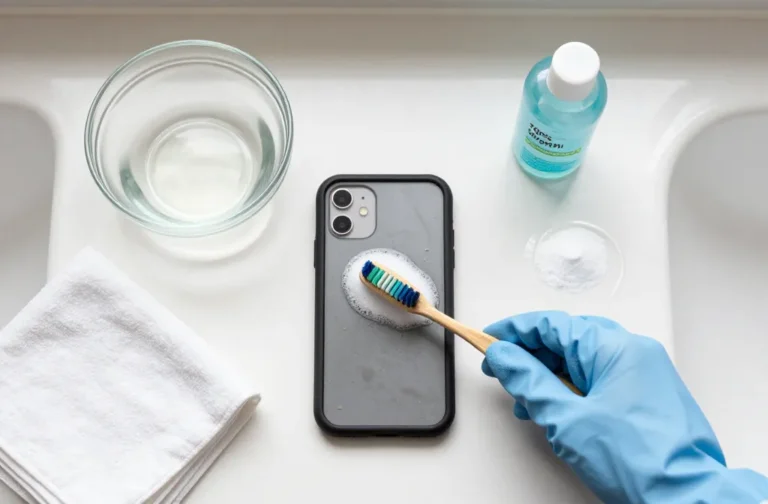
- Scrub with a soft toothbrush. Avoid steel wool unless you like scratches.
- Rinse and dry thoroughly. Water spots on brass look tragic.
If it’s lacquered
Some brass comes sealed with a clear lacquer. If it looks shiny but patchy, and flakes at the edges, it’s lacquered. Don’t soak it. Wipe gently with a damp cloth. If the lacquer failed badly and you want real shine, you’ll strip it—but that’s a choice. Keep reading.
Decide your end goal: vintage patina or mirror shine?
Hot take: not every brass thing should be blindingly shiny. Patina looks classy and hides fingerprints. But if you want the sparkle, full send.
- Keep patina: Clean only. Maybe a light polish in high-contact spots.
- Go shiny: Polish fully, then seal so it stays that way.
FYI, once you polish brass, it will start oxidizing again. Plan to either seal it or accept occasional maintenance. IMO, polished unlacquered brass ages beautifully—but your house, your rules.
Polishing methods (from mild to “whoa, that’s bright”)
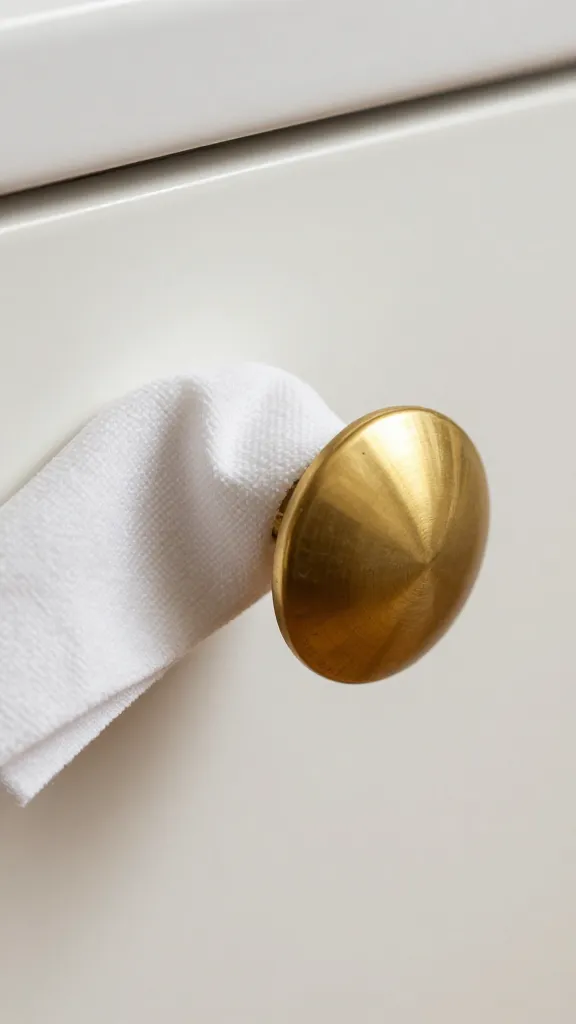
Pick your fighter. Start gentle, upgrade if needed.
Homemade polishes
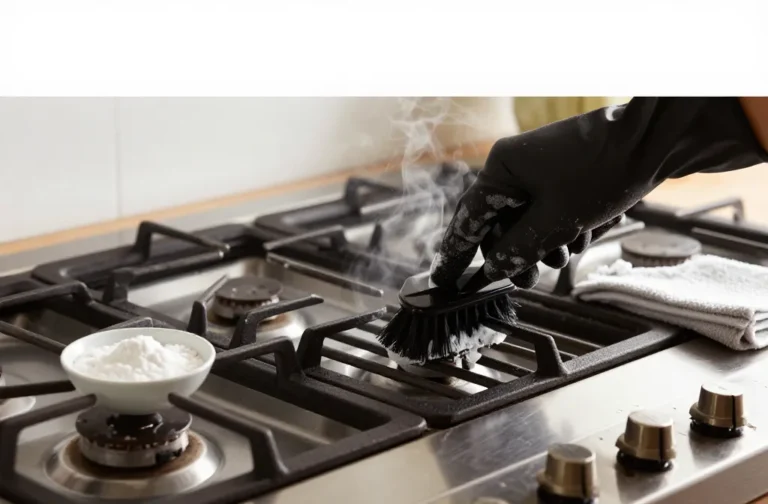
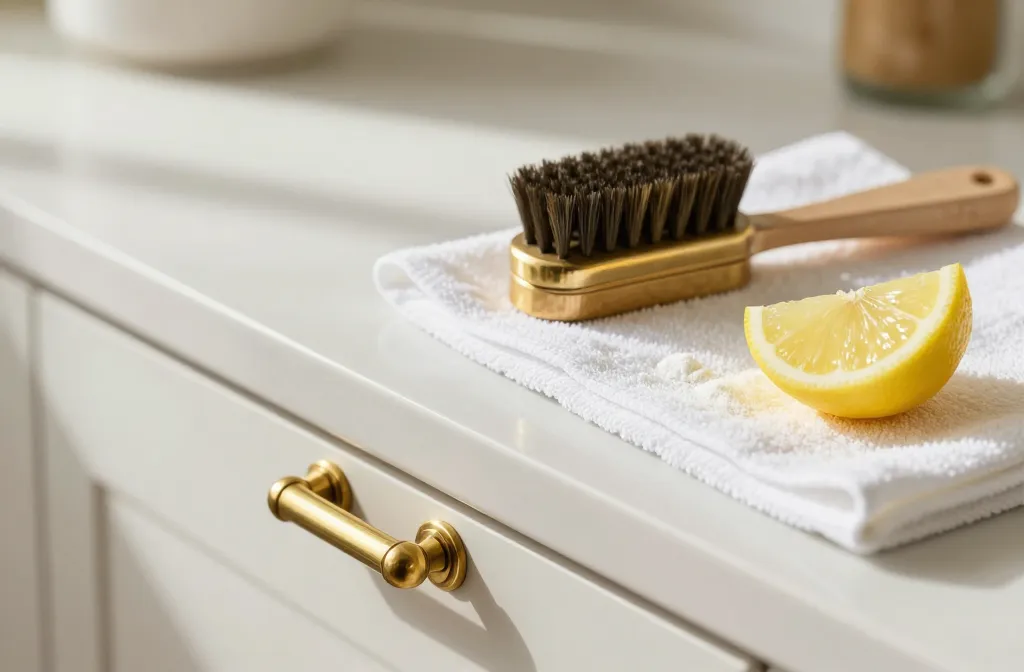
- Lemon + Baking Soda: Mix into a paste. Rub with a soft cloth. Rinse and dry. Brightens lightly, smells clean, costs pennies.
- Vinegar + Salt + Flour: 1 tbsp salt + 1/2 cup vinegar + enough flour to make a paste. Spread, wait 10–15 minutes, scrub lightly, rinse, dry. Solid for tarnish that laughs at soap.
- Ketchup: Yes, the condiment. The mild acids lift tarnish. Slather, wait 10 minutes, rub, rinse. It’s goofy but works in a pinch.
Important: Test DIY mixes on an inconspicuous spot first, especially on plated or lacquered items.
Commercial polishes
- Brass-specific polishes (e.g., Brasso, Wright’s): Reliable and easy. Apply with a cloth, buff until the black residue stops appearing, then wipe clean.
- Metal polishing creams: Similar idea, often less smelly, sometimes more gentle.
Pro tip: Use microfiber or an old T-shirt. Paper towels can scratch, and they shed lint like it’s their hobby.
For heavy tarnish
- Strip failed lacquer using acetone or a dedicated lacquer remover. Work in a ventilated area. Wear gloves. Wipe until the finish feels consistent, then clean and polish.
- Detail small crevices with cotton swabs or a soft-bristle brush. Don’t jam polish into screw holes unless you enjoy gunk.
- Avoid abrasives like steel wool or harsh scouring powders on plated hardware. For solid brass, fine 0000 steel wool can help—but use a feather touch and follow the grain.
Rinse, dry, and buff (don’t skip this)
After any polish—homemade or commercial—remove all residue. Leftover acid or polish keeps reacting and creates new tarnish. Rinse with clean water, dry thoroughly, then buff with a clean cloth until it squeaks. That squeak means no residue and a solid shine. Science-ish.
Seal the deal: protect that fresh shine
You did the work. Now keep it pretty.
Options to protect brass
- Microcrystalline wax (e.g., Renaissance Wax): My favorite. Wipe on a thin coat, buff. It adds a soft sheen, repels fingerprints, and doesn’t yellow. Reapply every few months.
- Clear lacquer: Long-lasting, glossy, but more commitment. Clean, degrease with alcohol, then spray multiple light coats. Great for bathroom or kitchen areas. If it chips later, you’ll strip and redo.
- Leave it unlacquered: Accept gentle patina and touch up with quick polishes. Honestly, this looks fantastic in older homes.
Reinstall without regrets
Time to put everything back. Don’t rush the landing.
- Wipe screws clean before reinstalling. Gunked screws scratch plates.
- Use hand tools instead of a drill for final tightening. One slip and you’ll gouge that flawless finish.
- Align knobs and pulls straight. Your eyes will spot a crooked handle from a mile away.
Care routine so you don’t have to start from zero again
Brass doesn’t demand much. Give it a little regular love and it stays gorgeous.
- Weekly: Quick wipe with a dry microfiber cloth. Fingerprints, be gone.
- Monthly: Damp cloth with a drop of dish soap, then dry.
- Quarterly: Light wax coat if you skipped lacquer. Buff to a soft glow.
- As needed: Spot polish. Don’t wait till it looks like a pirate’s treasure chest.
FYI, humidity speeds tarnish. Kitchens and bathrooms need extra attention. IMO, wax beats lacquer in those spots unless you prefer a set-and-forget finish.
FAQ
How do I know if my hardware has lacquer on it?
Lacquered brass looks shiny and “sealed,” almost like a clear plastic layer sits on top. If you see small chips, cloudy patches, or flaking at edges, that’s lacquer failing. Water won’t darken it, and gentle cleaning won’t affect the color—until the lacquer breaks.
Can I use vinegar on brass every time?
You can, but go easy. Acids clean fast, but frequent acidic baths can dull the surface over time, especially on thin plating. Use vinegar or lemon when you see real tarnish, not for weekly wipes.
What if I polished through the brass plating?
You’ll see a silvery or dull base metal peeking through. Sadly, you can’t fix that at home. Your options: live with the “industrial” vibe, spray paint with a brass-finish paint, or replace the hardware. Next time, treat plated pieces gently and skip abrasives.
Is ketchup actually safe for brass?
Yes, in small doses. The tomato acids lift tarnish, and the thickness helps it cling. Rinse thoroughly afterward and dry completely. It’s more of a party trick than a primary method, but it works.
Should I use steel wool?
Only if you have solid brass and heavy tarnish you can’t budge otherwise. Use 0000 (super fine), light pressure, and follow the grain. Never use it on brass-plated hardware—you’ll blow through the finish faster than you can say “oops.”
How often should I re-lacquer brass?
If you lacquer well, it can last years. High-traffic doors or bathroom fixtures might need a refresh every 2–4 years. When it looks scratched or starts to cloud, strip and reapply rather than piling more on top.
Conclusion
Cleaning brass hardware doesn’t require wizardry—just a smart plan and a little elbow grease. Figure out what you’ve got, clean gently, polish as needed, and protect the finish so it lasts. Your knobs and pulls will go from “meh” to “wow” in an afternoon. And when someone compliments the shine? You can smile and say, “Oh, that? Took five minutes.” We’ll keep your secret.